Why Bouba Njida National Park stands out
The park is best known for its large mammal populations, particularly elephants, giraffes, buffalo, and various antelope species. Its savanna landscapes provide excellent wildlife viewing opportunities, and the park serves as an important refuge for species adapted to the northern Cameroonian ecological zone.
Bouba Njida National Park history and protected-area timeline
Bouba Njida National Park was established in 1952 during the colonial period, making it one of Cameroon's earliest national parks. Its creation reflected the post-war conservation movement that sought to protect significant natural areas across Africa. The park has faced various management challenges over the decades, including pressures from agricultural expansion and poaching. Conservation efforts have continued despite these challenges, maintaining the park's protected status.
Bouba Njida National Park landscape and geographic character
The park features a predominantly savanna landscape with scattered woodland patches and gallery forests following rivers and streams. The terrain is generally flat to gently rolling, typical of the northern Cameroon plateau. Grassland savanna dominates the higher ground, while more dense woodland occurs in lower areas and near water. The seasonal watercourses that cross the park provide important ecological corridors and support denser vegetation than the surrounding plains.
Bouba Njida National Park ecosystems, habitats, and plant life
Bouba Njida sits at an ecological crossroads, blending elements of the Sudanian zone to the north with characteristics of the Guinea forest-savanna mosaic to the south. This transition creates a diverse habitat mosaic supporting both dry-country and more humid-adapted species. The savanna grasslands provide grazing habitat for large herbivores, while the woodland areas offer cover and food sources for a broader range of species. The gallery forests along rivers serve as critical refuge areas during the dry season.
Bouba Njida National Park wildlife and species highlights
The park supports notable populations of large mammals, including elephants, giraffes, African buffalo, and various antelope species such as roan and kudu. Predators including lions and leopards are also present in the park. The diverse habitats support a range of bird species, with the savanna and woodland areas providing important birding opportunities. The mammal populations represent some of the most significant remaining in northern Cameroon.
Bouba Njida National Park conservation status and protection priorities
Bouba Njida National Park represents an important conservation priority for Cameroon, protecting substantial savanna ecosystems that have been heavily modified across much of the region. The park's long-established protected status has helped maintain wildlife populations that have declined outside protected boundaries. Continued conservation efforts focus on managing human-wildlife conflict, preventing poaching, and maintaining habitat integrity.
Bouba Njida National Park cultural meaning and human context
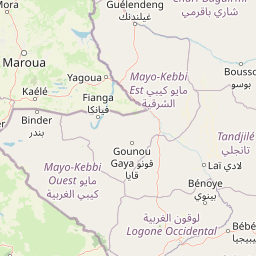
The park is located in a region inhabited by various local communities whose traditional land use practices have shaped the landscape over generations. The area around the park supports agricultural and pastoral activities that interact with the protected area. Understanding the relationship between local communities and the park's ecosystems is important for effective conservation management.
Top sights and standout views in Bouba Njida National Park
Bouba Njida offers some of the best wildlife viewing opportunities in northern Cameroon, with accessible savanna landscapes that allow visitors to observe elephants, giraffes, buffalo, and other large mammals. The park's position at an ecological crossroads provides habitat diversity that supports a range of species. As one of Cameroon's oldest national parks, it represents a long-standing commitment to conservation in the region.
Best time to visit Bouba Njida National Park
The optimal time to visit Bouba Njida National Park is during the dry season from November to April, when wildlife is more concentrated around remaining water sources and vegetation is less dense, improving visibility. The hot season from March to May offers the best wildlife viewing as animals gather at waterholes. The park is generally accessible during the dry months, while the rainy season from May to October can make some roads difficult to traverse.