Why Chréa National Park stands out
Chréa National Park is best known for two remarkable natural features: its ancient Atlas cedar forests, which form one of the most extensive and well-preserved cedar ecosystems in the Atlas region, and its population of endangered Barbary macaques, which represent one of only a handful of viable sub-populations remaining in Algeria. The park's elevational range creates a diverse mosaic of habitats, from dense cedar forests at higher elevations to more open woodland and scrub at lower altitudes. This ecological diversity, combined with the park's location at the northern edge of the Sahara and its proximity to the Mediterranean climate zone, makes it a critical refuge for species adapted to both temperate and semi-arid conditions.
Chréa National Park history and protected-area timeline
Chréa National Park was officially established in 1985, though the area had long been recognized for its ecological and scenic value prior to formal protection. The creation of the park reflected growing environmental awareness in Algeria during the late twentieth century and a desire to safeguard the nation's natural heritage, particularly its forest resources which had faced significant pressure from logging and grazing. The park was founded with the dual mandate of conserving biodiversity and maintaining the ecological integrity of the Atlas mountain forest ecosystems. Over the years, the park has faced various challenges including pressure from agricultural expansion, illegal logging, and the impacts of climate change on forest health and water resources. The establishment of the ski station predates the park's formal creation, representing an earlier era of resource use that continues to shape management decisions today.
Chréa National Park landscape and geographic character
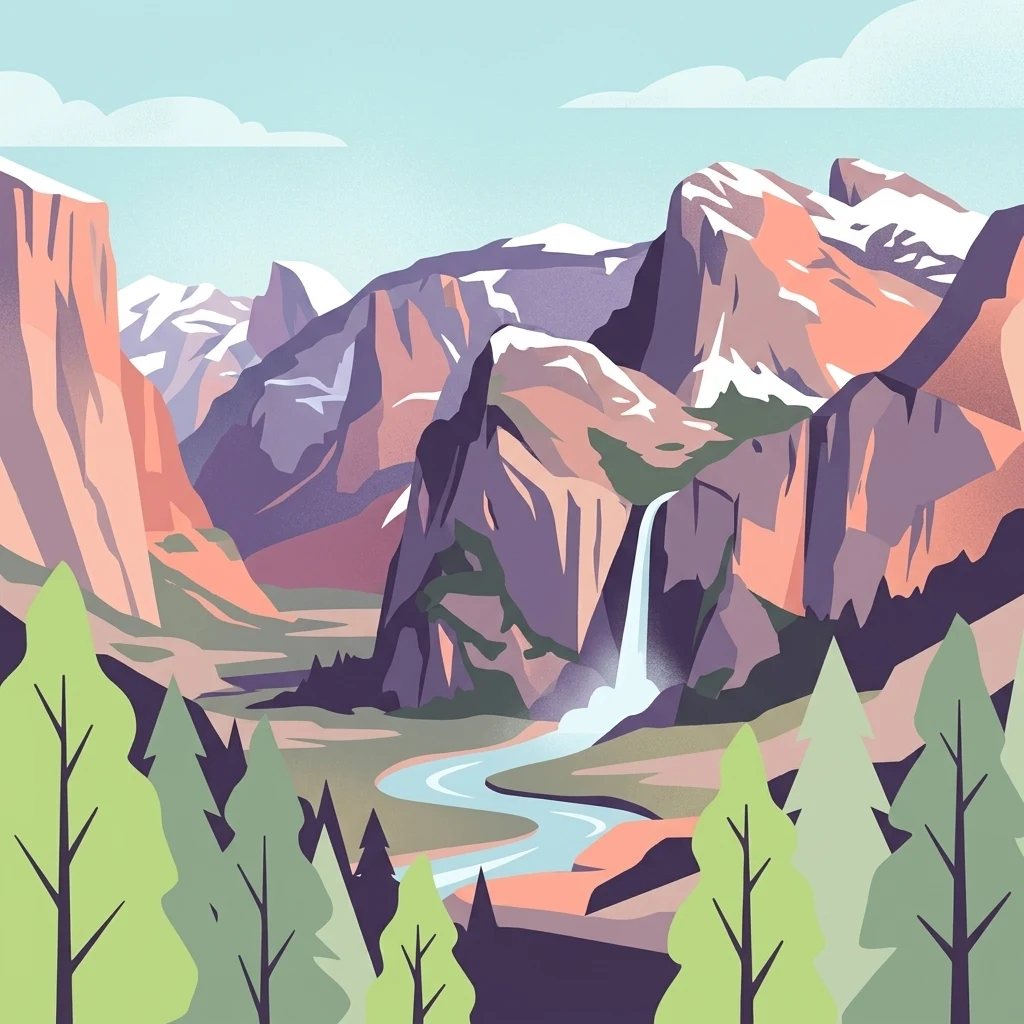
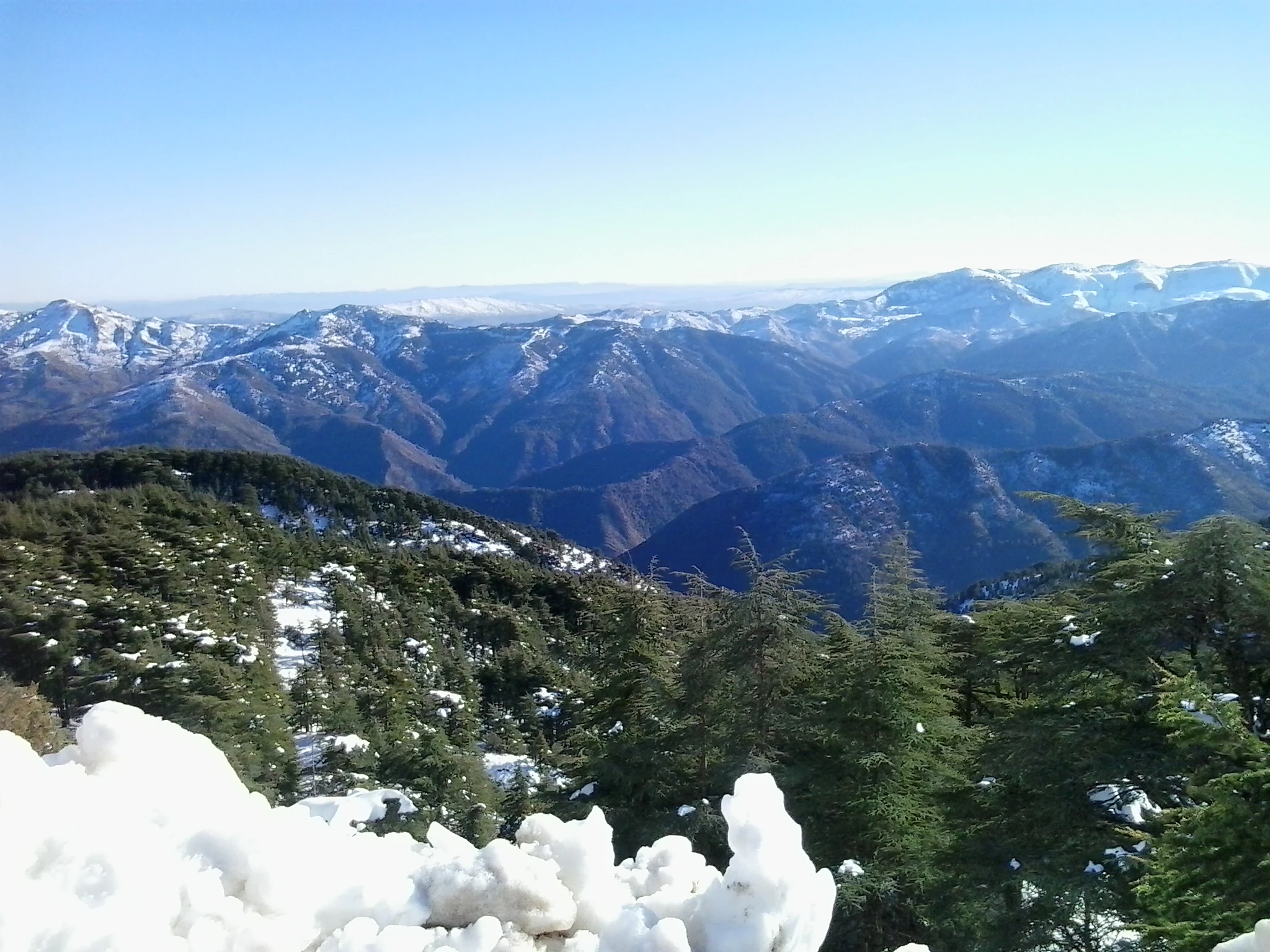
The landscape of Chréa National Park is characterized by mountainous terrain within the Blidean Atlas, a subrange of the Tell Atlas that runs parallel to Algeria's Mediterranean coast. The terrain rises from lower hillsides covered in scrub and open woodland to more steep and rugged peaks where dense forest cover predominates. The park's elevation range supports distinct ecological zones, with Atlas cedar dominating the higher elevations while Aleppo pine and various oak species occupy lower slopes. Rock outcrops and cliffs interrupt the forest cover in places, and the park contains several small watercourses that drain the mountain slopes. The Grotto of Chiffa represents a notable geological feature within the park, offering evidence of the karst processes that have shaped portions of the Atlas landscape over geological time. The combination of snow-capped peaks, ancient forests, and dramatic ridgelines creates a landscape of considerable scenic beauty that differs markedly from the more familiar desert imagery often associated with Algeria.
Chréa National Park ecosystems, habitats, and plant life
The natural environment of Chréa National Park supports an exceptional diversity of plant and animal species, with over 1240 species documented within park boundaries. The park's vegetation reflects its position at the intersection of Mediterranean and mountain ecosystems, with Atlas cedar forming the dominant forest type at higher elevations. These ancient cedar forests represent one of the most significant remaining stands of this species, which has been culturally important throughout North African history for its durable timber and aromatic properties. The forest structure supports a complex community of understory plants, fungi, and invertebrates that depend on the unique conditions created by the cedar canopy. At lower elevations, the vegetation transitions through zones of mixed woodland and maquis-type shrubland, creating a vertically stratified habitat mosaic that supports diverse ecological communities.
Chréa National Park wildlife and species highlights
Chréa National Park is home to a remarkable assembly of wildlife, most notably the endangered Barbary macaque which represents one of Africa's few surviving populations of this primates species. These Barbary macaques inhabit the cedar forests of the park, where they live in social groups among the ancient trees and exploit the diverse food resources the forest provides. The park's position along bird migration routes and its varied habitats support numerous bird species, including several raptor species that hunt over the mountain slopes and forests. The reptile and small mammal communities include various species adapted to both forested and more open habitats, while the park's streams support aquatic communities adapted to the cool, fast-flowing mountain waters. The overall wildlife assemblage reflects the park's role as a critical refugium for species that have declined elsewhere in Algeria due to habitat loss and human pressure.
Chréa National Park conservation status and protection priorities
Chréa National Park plays a critical role in conserving both the Atlas cedar ecosystem and the endangered Barbary macaque, two conservation priorities of international significance. The park's cedar forests represent a vital reservoir of genetic diversity for this iconic tree species, which has faced declining populations across its range due to over-exploitation and climate change. Similarly, the Barbary macaque populations in the park constitute one of the few viable sub-populations remaining in Algeria, making the protected area essential for the species' long-term survival in the country. The park's designation as an IUCN Category II protected area reflects its primary mandate of preserving natural ecosystems while allowing for sustainable visitor access and limited recreation. Effective conservation in Chréa requires addressing ongoing pressures including illegal resource extraction, forest degradation, and the broader challenges posed by climate change to Mediterranean mountain ecosystems.
Chréa National Park cultural meaning and human context
The Chréa region carries cultural significance that extends beyond its ecological value, with the park's name derived from the local community of Chréa which lies adjacent to the protected area. The Atlas cedar has deep cultural resonance throughout North Africa, having been valued for millennia for its timber, resin, and spiritual associations. The presence of the Grotto of Chiffa adds a cultural dimension to the park, as such geological features often hold traditional significance in local communities. The ski station represents a more recent layer of human activity in the landscape, reflecting Algeria's engagement with winter sports and mountain recreation during the twentieth century. The park exists within a broader regional context of Berber cultural heritage, as the Tell Atlas region has been inhabited by Amazigh communities for centuries whose traditional land use practices have shaped the landscape over millennia.
Top sights and standout views in Chréa National Park
Chréa National Park offers a distinctive combination of ecological significance and recreational opportunity that sets it apart among North African protected areas. The ancient Atlas cedar forests represent one of the most impressive forest ecosystems in the region, with trees of considerable age and size creating a atmospheric landscape unlike anywhere else in Algeria. The Barbary macaque populations provide a unique wildlife viewing opportunity, as these primates can be observed in their natural forest habitat, a experience available at few other locations in Africa. The park's ski facilities offer winter recreation possibilities that are extremely rare on the African continent, allowing visitors to experience mountain snow sports in an unexpected setting. The Grotto of Chiffa provides an additional point of interest for those interested in geology and natural history, while the panoramic views from the mountain ridges offer sweeping vistas across the Tell Atlas landscape.
Best time to visit Chréa National Park
The optimal time to visit Chréa National Park depends on the experience sought, with different seasons offering distinct advantages. Spring and early summer bring mild temperatures and active wildlife activity, making this period ideal for hiking and wildlife observation as the Barbary macaques are more visible as they forage in the forest. The summer months can be warm but provide the opportunity to escape lower elevation heat and enjoy the mountain forests. Autumn offers another excellent visiting window with pleasant temperatures and the possibility of seeing the forest in its fall colors. Winter brings the ski season for those interested in the park's snow sports facilities, though accessibility may be affected by weather conditions. The shoulder seasons of spring and autumn generally offer the most comfortable conditions for general exploration and wildlife viewing.