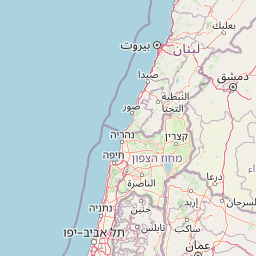

Why Dibeen Forest Reserve stands out
Dibeen Forest Reserve is best known for containing the largest and oldest naturally grown Aleppo pine habitat in Jordan, representing one of the last remaining pine-oak forest ecosystems in the Middle East. The reserve is distinguished by its altitudinal zonation of vegetation, with Aleppo pines dominating lower slopes, a mixed pine-oak woodland in the middle elevations, and deciduous oak species including Quercus infectoria at higher altitudes. The reserve also serves as a critical refuge for 17 endangered species, most notably the Persian red squirrel, along with grey wolves, striped hyenas, and several bat species.
Dibeen Forest Reserve history and protected-area timeline
Dibeen Forest Reserve was formally established in 2004 after being identified as a conservation priority in Jordan's 1998 protected areas review. The establishment followed a UNDP-led project from 2004 to 2007 that worked with the Jerash, Al Meirad, and Burma municipalities to support the nature reserve's development and promote sustainable resource use among local communities. The reserve was created in response to growing threats to Jordan's northern forest ecosystems, including illegal logging, overgrazing, and habitat fragmentation from development projects. The Royal Society for the Conservation of Nature, founded in 1966 under the patronage of Queen Noor and King Hussein, has been the primary institutional force behind Jordan's network of protected areas, and Dibeen became the sixth reserve under their management, joining Shaumari, Azraq, Dana, Wadi Mujib, and Ajloun reserves.
Dibeen Forest Reserve landscape and geographic character
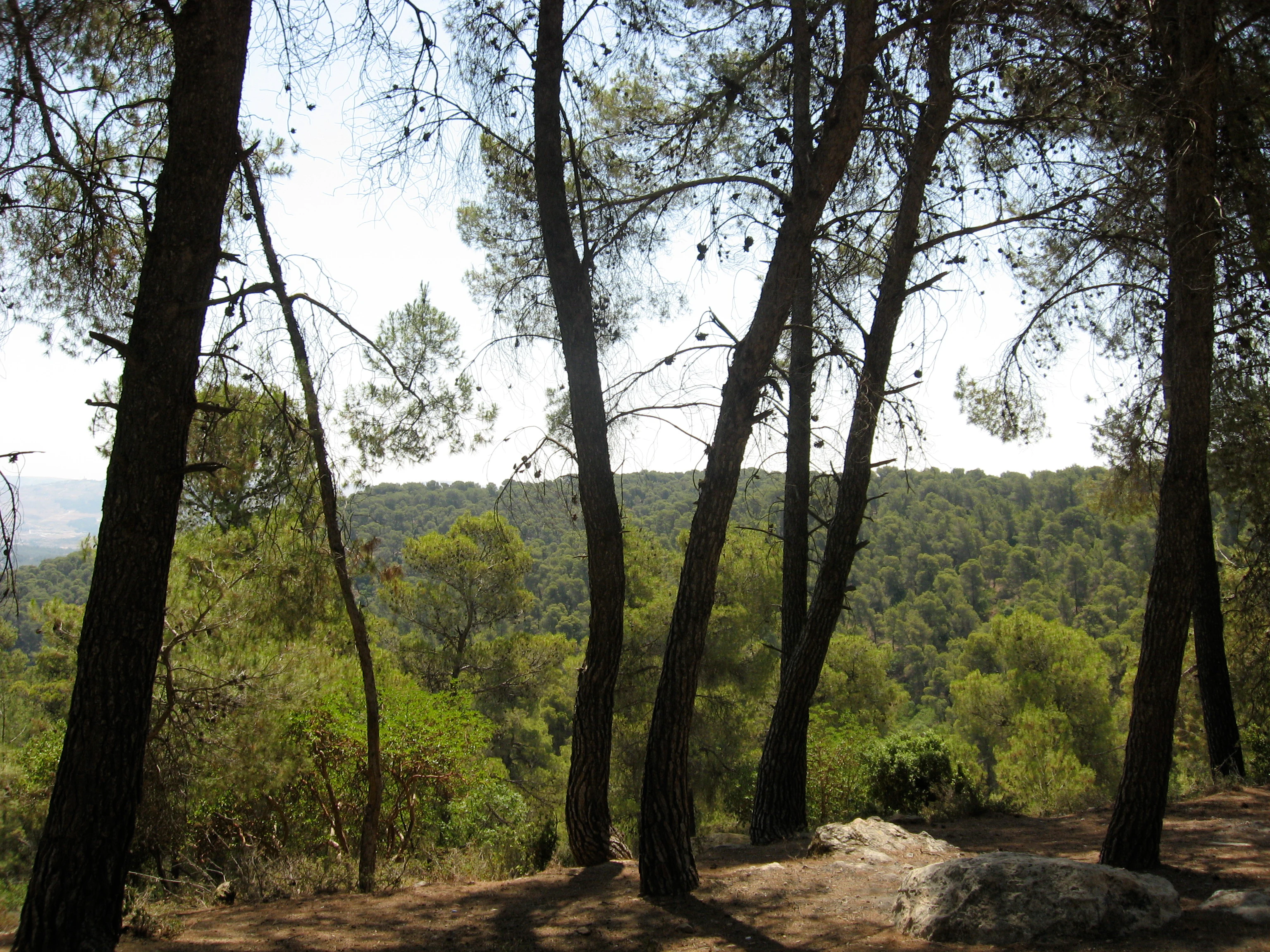
The reserve occupies a landscape of rolling hills and steep limestone slopes in Jordan's northwestern highlands. The terrain rises from approximately 500 metres to 1000 metres above sea level, with the underlying geology consisting of limestone and chalky limestone that has been eroded into characteristic steep slopes and ridgelines. The landscape is intersected by seasonal wadis that carry water during the winter rainy season, creating a network of moisture corridors that support more lush vegetation in these drainage channels. The combination of altitude, limestone substrate, and variable moisture conditions across slopes and wadis creates a diverse physical setting that supports the forest's distinctive zonation of plant communities.
Dibeen Forest Reserve ecosystems, habitats, and plant life
Dibeen Forest Reserve contains one of the last remaining examples of pine-oak forest in the Middle East, making it an ecological stronghold of regional significance. The forest exhibits clear altitudinal zonation, with Aleppo pines dominating the lower elevations, a mixed pine-palestine oak woodland in the middle band, and Quercus infectoria, also known as the Aleppo or Cyprus oak, occupying the highest slopes. The forest supports a diverse understory including orchids, Greek strawberry trees, pistachio trees, and olive trees. The age structure of the forest shows considerable variation, with many areas containing mature canopy trees alongside vigorous understory regeneration, indicating a relatively healthy and self-sustaining ecosystem despite the pressures it faces.
Dibeen Forest Reserve wildlife and species highlights
The reserve supports at least 17 endangered species, making it a significant biodiversity hotspot in Jordan's protected area network. The Persian red squirrel represents one of the most notable mammal species, while grey wolves and striped hyenas patrol the forest in smaller numbers. Four species of bats have been documented within the reserve, utilizing the forest's cavities and caves for roosting. The woodland bird community is diverse, with numerous species adapted to the pine-oak habitat. There is also unconfirmed but believed presence of the Southern Banded Newt, which if validated would represent a significant conservation record as possibly the last remaining population in Jordan.
Dibeen Forest Reserve conservation status and protection priorities
Dibeen Forest Reserve was established as part of Jordan's strategic expansion of protected areas, addressing the critical decline of forest cover in the northern highlands. The reserve's conservation significance stems from its role as a refuge for regionally rare pine-oak forest and its population of endangered species including the Persian red squirrel. Between 2004 and 2007, a UNDP project supported capacity-building for local communities and promoted sustainable land-use planning. However, the reserve faces persistent threats from cement project development, intentional fires, overgrazing, and illegal logging, which continue to degrade the forest ecosystem. The reserve's location within Jordan's most heavily populated region creates ongoing pressure on its boundaries and resources.
Dibeen Forest Reserve cultural meaning and human context
While Dibeen Forest Reserve is primarily valued for its ecological significance, its location immediately south of Jerash places it within a landscape of profound historical and archaeological importance. The ancient Roman city of Jerash, one of the best-preserved Roman provincial cities in the world, has attracted visitors for centuries, and the forest reserve offers a natural counterpoint to the built heritage of the region. The surrounding communities in the Jerash Governorate have historically depended on the land for pastoral activities, and the establishment of the reserve has required balancing traditional land-use practices with conservation objectives.
Top sights and standout views in Dibeen Forest Reserve
Dibeen Forest Reserve protects Jordan's largest stand of naturally grown Aleppo pines and one of the last remaining pine-oak forests in the Middle East. The reserve's altitudinal forest zonation, from pine-dominated lower slopes through mixed woodland to deciduous oak at higher elevations, demonstrates ecological complexity rare in the region. Seventeen endangered species find refuge here, including the Persian red squirrel, grey wolves, and several bat species. The reserve serves as a living laboratory for conservation in a dry forest ecosystem, demonstrating both the vulnerability and resilience of Mediterranean forest habitats under pressure from development and climate change.
Best time to visit Dibeen Forest Reserve
The reserve can be visited year-round, though the optimal period runs from early spring through late autumn when temperatures are moderate and the forest landscape is most accessible. Spring brings wildflower blooms and active wildlife as species emerge from winter dormancy, while autumn offers pleasant temperatures and the opportunity to observe migrating birds. Summer months can bring high temperatures in the valley areas, though the higher elevations of the reserve remain relatively cool. Winter rainfall supports the wadi ecosystems and maintains the moisture balance critical for the forest's survival, though some trails may be less accessible during this period.