Why Esk National Park stands out
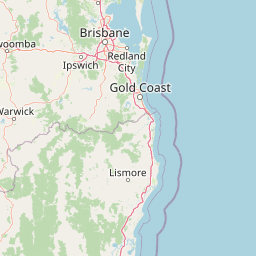
Esk National Park is best known for its role as a biodiversity refuge in a subtropical landscape. The park was specifically established to protect a remnant area of high conservation value, preserving native species and ecosystems that might otherwise be lost in a developing region. Its significance lies not in dramatic scenic attractions but in its ecological function as a protected corridor and habitat area within the Brisbane River catchment. The park represents ongoing conservation efforts in South East Queensland, where remaining natural areas face pressure from urban expansion and agricultural development.
Esk National Park history and protected-area timeline
Esk National Park was formally gazetted in 2006, making it a relatively recent addition to Queensland's system of national parks and protected areas. The decision to establish the park reflected growing recognition of the importance of preserving remnant biodiversity in South East Queensland, a region that has experienced extensive land clearing for agriculture, urban development, and infrastructure. The park's creation was driven by a specific conservation purpose: to safeguard an area of significant biodiversity value that might otherwise be lost. This establishment date places Esk National Park within a period of increased conservation focus in Queensland, as the state worked to expand its protected area network and address gaps in habitat representation. The park exists within the context of broader regional planning efforts in the Brisbane River catchment, where land management decisions increasingly balance development pressures with environmental protection needs.
Esk National Park landscape and geographic character
The landscape of Esk National Park reflects the subtropical character of South East Queensland, characterized by gentle to rolling terrain typical of the region. The park sits within an area draining into the Brisbane River system, contributing to the hydrological network that shapes the broader landscape. Vegetation communities in this part of Queensland typically include a mix of open forests, woodlands, and rainforest remnants, depending on soil types, moisture availability, and fire history. The terrain supports various landforms associated with the catchment area, including creek lines and drainage features that provide habitat diversity. While specific details of the park's internal landscape are limited in available sources, the broader Somerset Region contains a mosaic of cleared agricultural lands, remnant forests, and rural properties that surround the protected area.
Esk National Park ecosystems, habitats, and plant life
The nature of Esk National Park is defined by its subtropical setting within the Brisbane River catchment. The park protects remnant vegetation communities that support native biodiversity in a region where such habitats have become fragmented and limited. As a relatively small protected area established specifically for biodiversity conservation, the park plays a role in maintaining ecological processes and species populations in South East Queensland. The subtropical climate influences the types of ecosystems present, supporting species adapted to warm temperatures and seasonal rainfall patterns. The park's location within a major river catchment connects it to broader landscape-scale ecological processes, allowing for some degree of wildlife movement and genetic exchange with surrounding lands. Conservation of this remnant area addresses a regional priority in Queensland, where biodiversity decline insettled areas has prompted targeted protection efforts.
Esk National Park conservation status and protection priorities
Esk National Park was created specifically to fulfill a conservation mandate: protecting a remnant area of significant biodiversity value in South East Queensland. This targeted establishment purpose distinguishes the park from recreational-focused protected areas and reflects a strategic approach to addressing conservation gaps in a heavily modified region. The Brisbane River catchment, within which the park lies, supports diverse ecological communities that have faced pressure from urban expansion, agriculture, and infrastructure development. By protecting remaining habitat remnants, the park contributes to regional biodiversity persistence and provides refuge for species that depend on native vegetation. The park's conservation significance is tied to its role in the broader Queensland protected area network, where representative examples of regional ecosystems are maintained for long-term ecological viability. Management of the park focuses on maintaining the natural values for which it was established, addressing threats such as invasive species and habitat degradation that could undermine its biodiversity objectives.
Esk National Park cultural meaning and human context
The cultural context of Esk National Park is closely tied to the broader history of the Somerset Region in South East Queensland. The area has historical associations with Indigenous communities whose connection to the land predates European settlement. The Brisbane River catchment has been an important cultural landscape for Aboriginal peoples, with the river and its tributaries supporting traditional life ways and providing resources. Following European settlement, the region underwent transformation through agriculture, logging, and pastoral activities that modified the landscape substantially. The establishment of Esk National Park in 2006 represents a more recent phase in the land's history, where conservation values have been recognized alongside the region's rural and increasingly urban character. The park exists within a landscape that retains elements of its cultural heritage while facing ongoing pressures from development in the Greater Brisbane area.
Top sights and standout views in Esk National Park
Esk National Park highlights the importance of protecting biodiversity in subtropical Queensland, where remaining natural areas are scarce and fragmented. The park's establishment in 2006 reflects a conservation response to regional habitat loss, specifically targeting protection of a remnant area with significant ecological value. Located within the Brisbane River catchment, the park contributes to watershed health and ecological connectivity across South East Queensland. The subtropical setting supports native species adapted to the warm, humid conditions of eastern Australia, making the area representative of regional ecosystem types. As a protected area focused on biodiversity rather than recreation, Esk National Park represents a thoughtful approach to conservation in a developing region, where strategic protection of quality habitat remnants can yield meaningful ecological outcomes.
Best time to visit Esk National Park
Esk National Park can be visited throughout the year given its subtropical climate, though visitors should consider seasonal conditions typical of South East Queensland. The warmer months from October through March bring higher temperatures and increased rainfall, which can influence trail conditions and outdoor activity comfort. Winter months from June to August generally offer milder, drier conditions more suitable for extended walks and wildlife observation. The park's biodiversity values are present year-round, though different seasons may offer varying opportunities to observe native species. Visitors interested in experiencing the park's natural values should check current conditions and any access restrictions before planning their trip, as management activities or weather events may occasionally affect visitor access.