

Mori Atlas logo
National parkEsk National Park

Discover the mapped boundaries and geographic context of this vital conservation area.

Esk National Park: Protected Subtropical Landscape and Biodiversity Refuge in Australia

Esk National Park is a designated national park situated in the Somerset Region of South East Queensland, Australia. Established in 2006, its primary role is to protect a significant remnant area of subtropical biodiversity. The park lies within the Brisbane River catchment, contributing to the ecological health and natural landscape of this vital Australian region. It serves as a critical habitat refuge, preserving native species and ecosystems against a backdrop of regional development, making its mapped boundaries essential for understanding its conservation value.

National ParkQueenslandAustraliaBiodiversity ConservationSubtropical EnvironmentProtected Area

Esk National Park

National park

Park overview

Structured park overview, official facts, and landscape profile for Esk National Park

Esk National Park park facts, protected area profile, and essential visitor context

Review the core facts for Esk National Park, including designation, size, terrain, visitor scale, habitats, and operating context in one park-focused overview.

About Esk National Park

Esk National Park serves as an important protected area in the environmental landscape of South East Queensland. Established in 2006, it was created specifically to conserve a remnant area that possesses significant biodiversity value, reflecting a targeted approach to protecting natural heritage in a region where native vegetation cover has been substantially reduced over time. The park sits within the Brisbane River catchment, connecting it to a broader hydrological system that supports diverse ecosystems and human communities throughout the Brisbane region. The subtropical climate of the area influences the types of habitats and species found within the park, supporting flora and fauna adapted to warm, humid conditions. As conservation priorities in Queensland continue to evolve, protected areas like Esk National Park play an increasingly vital role in maintaining ecological connectivity and preserving genetic diversity across the landscape. The park's establishment represents a recognition that even modest-sized protected areas can contribute meaningfully to regional biodiversity conservation when they protect quality habitat remnants.

Quick facts and research context for Esk National Park

Esk National Park is located in South East Queensland within the Somerset Region, situated near Redbank Creek. The park was established in 2006 through official gazettal, making it one of the more recent additions to Queensland's national park network. It lies within the Brisbane River catchment area, which is the largest river system in the region. The park's primary management objective focuses on biodiversity conservation, protecting what remains of the area's native flora and fauna in a subtropical setting. The park represents a conservation priority in a region where natural habitats have been significantly modified by human activity.

Protection and recognition

Exploring the documented conservation boundaries and management scope of the terrestrial reserve

Documented Protection Status and Terrestrial Designation of Esk National Park

Researchers and conservation explorers can review the official terrestrial protection status and documented geographic boundaries established for Esk National Park. Analysis of designated terrestrial parameters provides critical context for understanding the park’s formal conservation framework and regional environmental role.

Protection details

Protection scope
Terrestrial
Transboundary protection
No
Park context

Deeper park guide and search-rich context for Esk National Park

Esk National Park history, landscape, wildlife, and travel context

Explore Esk National Park through its history, landscape character, ecosystems, wildlife, conservation priorities, cultural context, and seasonal travel timing in a structured park guide built for atlas discovery and search intent.

Why Esk National Park stands out

Esk National Park is best known for its role as a biodiversity refuge in a subtropical landscape. The park was specifically established to protect a remnant area of high conservation value, preserving native species and ecosystems that might otherwise be lost in a developing region. Its significance lies not in dramatic scenic attractions but in its ecological function as a protected corridor and habitat area within the Brisbane River catchment. The park represents ongoing conservation efforts in South East Queensland, where remaining natural areas face pressure from urban expansion and agricultural development.

Esk National Park history and protected-area timeline

Esk National Park was formally gazetted in 2006, making it a relatively recent addition to Queensland's system of national parks and protected areas. The decision to establish the park reflected growing recognition of the importance of preserving remnant biodiversity in South East Queensland, a region that has experienced extensive land clearing for agriculture, urban development, and infrastructure. The park's creation was driven by a specific conservation purpose: to safeguard an area of significant biodiversity value that might otherwise be lost. This establishment date places Esk National Park within a period of increased conservation focus in Queensland, as the state worked to expand its protected area network and address gaps in habitat representation. The park exists within the context of broader regional planning efforts in the Brisbane River catchment, where land management decisions increasingly balance development pressures with environmental protection needs.

Esk National Park landscape and geographic character

The landscape of Esk National Park reflects the subtropical character of South East Queensland, characterized by gentle to rolling terrain typical of the region. The park sits within an area draining into the Brisbane River system, contributing to the hydrological network that shapes the broader landscape. Vegetation communities in this part of Queensland typically include a mix of open forests, woodlands, and rainforest remnants, depending on soil types, moisture availability, and fire history. The terrain supports various landforms associated with the catchment area, including creek lines and drainage features that provide habitat diversity. While specific details of the park's internal landscape are limited in available sources, the broader Somerset Region contains a mosaic of cleared agricultural lands, remnant forests, and rural properties that surround the protected area.

Esk National Park ecosystems, habitats, and plant life

The nature of Esk National Park is defined by its subtropical setting within the Brisbane River catchment. The park protects remnant vegetation communities that support native biodiversity in a region where such habitats have become fragmented and limited. As a relatively small protected area established specifically for biodiversity conservation, the park plays a role in maintaining ecological processes and species populations in South East Queensland. The subtropical climate influences the types of ecosystems present, supporting species adapted to warm temperatures and seasonal rainfall patterns. The park's location within a major river catchment connects it to broader landscape-scale ecological processes, allowing for some degree of wildlife movement and genetic exchange with surrounding lands. Conservation of this remnant area addresses a regional priority in Queensland, where biodiversity decline insettled areas has prompted targeted protection efforts.

Esk National Park conservation status and protection priorities

Esk National Park was created specifically to fulfill a conservation mandate: protecting a remnant area of significant biodiversity value in South East Queensland. This targeted establishment purpose distinguishes the park from recreational-focused protected areas and reflects a strategic approach to addressing conservation gaps in a heavily modified region. The Brisbane River catchment, within which the park lies, supports diverse ecological communities that have faced pressure from urban expansion, agriculture, and infrastructure development. By protecting remaining habitat remnants, the park contributes to regional biodiversity persistence and provides refuge for species that depend on native vegetation. The park's conservation significance is tied to its role in the broader Queensland protected area network, where representative examples of regional ecosystems are maintained for long-term ecological viability. Management of the park focuses on maintaining the natural values for which it was established, addressing threats such as invasive species and habitat degradation that could undermine its biodiversity objectives.

Esk National Park cultural meaning and human context

The cultural context of Esk National Park is closely tied to the broader history of the Somerset Region in South East Queensland. The area has historical associations with Indigenous communities whose connection to the land predates European settlement. The Brisbane River catchment has been an important cultural landscape for Aboriginal peoples, with the river and its tributaries supporting traditional life ways and providing resources. Following European settlement, the region underwent transformation through agriculture, logging, and pastoral activities that modified the landscape substantially. The establishment of Esk National Park in 2006 represents a more recent phase in the land's history, where conservation values have been recognized alongside the region's rural and increasingly urban character. The park exists within a landscape that retains elements of its cultural heritage while facing ongoing pressures from development in the Greater Brisbane area.

Top sights and standout views in Esk National Park

Esk National Park highlights the importance of protecting biodiversity in subtropical Queensland, where remaining natural areas are scarce and fragmented. The park's establishment in 2006 reflects a conservation response to regional habitat loss, specifically targeting protection of a remnant area with significant ecological value. Located within the Brisbane River catchment, the park contributes to watershed health and ecological connectivity across South East Queensland. The subtropical setting supports native species adapted to the warm, humid conditions of eastern Australia, making the area representative of regional ecosystem types. As a protected area focused on biodiversity rather than recreation, Esk National Park represents a thoughtful approach to conservation in a developing region, where strategic protection of quality habitat remnants can yield meaningful ecological outcomes.

Best time to visit Esk National Park

Esk National Park can be visited throughout the year given its subtropical climate, though visitors should consider seasonal conditions typical of South East Queensland. The warmer months from October through March bring higher temperatures and increased rainfall, which can influence trail conditions and outdoor activity comfort. Winter months from June to August generally offer milder, drier conditions more suitable for extended walks and wildlife observation. The park's biodiversity values are present year-round, though different seasons may offer varying opportunities to observe native species. Visitors interested in experiencing the park's natural values should check current conditions and any access restrictions before planning their trip, as management activities or weather events may occasionally affect visitor access.
Monthly climate preview

Long term annual temperature patterns and monthly weather averages for Esk National Park

Esk National Park Climate Normals, Average Temperatures and Monthly Precipitation

Representative coordinate records outline the multi year monthly averages for temperature and precipitation across Esk National Park. Detailed monthly breakdowns provide deeper insight into long term thermal shifts and moisture cycles.
Annual mean19 °C
13 °C25 °C
Jan25°
Feb24°
Mar22°
Apr20°
May16°
Jun14°
Jul13°
Aug14°
Sep18°
Oct20°
Nov23°
Dec24°
Warmest month
January

24.8 °C

Coolest month
July

13 °C

Wettest month
February

4.7 mm/day

Driest month
July

1 mm/day

Park location guide

Geography guide, regional context, and park location map for Esk National Park

Esk National Park park geography, regions, and map view in Australia

Understand where Esk National Park sits in Australia through a broader geographic reading of the surrounding landscape, nearby location context, and its mapped position within the national park landscape.

How Esk National Park fits into Australia

Australia is a constitutional monarchy and federal parliamentary democracy comprising six states and ten territories. With a population of nearly 28 million, it is one of the world's most urbanised countries, with most people concentrated on the eastern seaboard. The country has a high Human Development Index and is known for its cultural diversity, ancient Aboriginal heritage, and unique wildlife.

Wider geography shaping Esk National Park in Australia

Australia occupies the entire Australian continent, the island of Tasmania, and numerous smaller islands. It is the world's flattest and driest inhabited continent, featuring vast deserts in the interior (the Outback), tropical rainforests along the eastern coast, and a coastline bordering the Indian and Pacific Oceans.

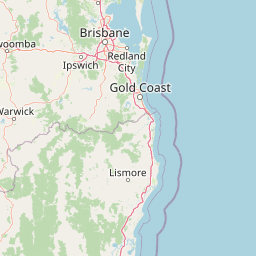
Map view of Esk National Park

Use this park location map to pinpoint Esk National Park in Australia, understand its exact geographic position, and read its mapped placement within the surrounding landscape more clearly.

Pigeon | © OpenStreetMap contributors

Location context for Esk National Park

Queensland
Recorded earthquake history

View Historical Seismic Records Associated with Esk National Park

Explore a curated catalogue of historical earthquake events that have been recorded near Esk National Park. MoriAtlas provides this data as a primary resource for tracking regional seismic history through documented epicentre records, depths, and magnitudes found in the surrounding Brisbane River catchment area.

Esk National Park Earthquake History

Catalogued events

1 event

Strongest magnitude

Magnitude 3.2

Most recent event

Jan 8, 1986

This history includes earthquakes recorded inside the park or within 50 km of its borders

Park atlas

Trace the broader regional geography and protected landscapes within the Brisbane River catchment, comparing diverse conservation areas.

Discover Other National Parks and Protected Areas Near Esk National Park in South East Queensland

Explore additional national parks and protected areas within the subtropical environment of South East Queensland, expanding your view beyond Esk National Park to trace the spread of conservation efforts. Compare these diverse protected landscapes by their geographic context, ecological function, and role within the wider Brisbane River catchment.
Watercolor illustration of a river flowing through a valley with trees and hills under a light sky
National parkQueensland
10 km away#1 closest

Southwest

Ravensbourne National Park: Queensland's National Park Landscape and Geographic Atlas

Mapped protected area features and regional context.

Ravensbourne National Park is a key protected landscape in Queensland, Australia, offering valuable insights for geographic exploration and atlas-style discovery. As a designated national park, it contributes to the understanding of regional terrain and protected land distribution within northeastern Australia. This page focuses on the park's specific geographic identity and its role in the mapped natural areas of Queensland, providing a clear point of reference for its protected landscape characteristics.

Area
4.4 km²
Established
1922
IUCN
II
Relief
Mountain
National parkQueensland
13 km away#2 closest

Southwest

Lockyer National Park: A National Park in Queensland with Distinct Geographic Features

Mapped protected boundaries and regional landscape context.

Lockyer National Park is a designated national park providing a critical lens into Queensland's varied geography and protected landscapes. Understanding this park involves exploring its mapped boundaries and how it contributes to the region's natural terrain. This entry serves as a detailed geographic context for Lockyer National Park, supporting structured discovery within the Australian state's protected areas.

Area
110.79 km²
Established
2008
IUCN
II
Relief
Mountain
National parkQueensland
18 km away#3 closest

West

Crows Nest National Park: Queensland National Park Geography and Protected Landscape Atlas

Mapped terrain and protected area context within Queensland, Australia.

Delve into Crows Nest National Park, a protected natural area recognized as a national park within Queensland. This destination offers detailed geographic context, focusing on its mapped boundaries and landscape identity. Understand its place within the regional geography of northeastern Australia and explore its significance as a component of the country's protected lands network.

Area
17.9 km²
Established
1967
IUCN
II
Relief
Mountain
National parkQueensland
25 km away#4 closest

Northeast

Deer Reserve National Park: Queensland National Park Geography and Woodland Landscape

Explore its mapped boundaries and historic wildlife heritage.

Deer Reserve National Park, a designated national park in Queensland, Australia, offers a fascinating glimpse into woodland ecosystems and a unique chapter of the region's history. Covering 32.3 square kilometers, the park sits at an elevation of 480 meters, presenting a subtropical highland terrain characterized by mixed forest and open woodland. Its protected status, established in 2006, highlights its importance for conservation within the South East Queensland bioregion. The park's identity is strongly linked to the historical introduction of red deer, a significant element of its protected landscape value for atlas discovery.

Area
32.3 km²
Established
2006
IUCN
II
Relief
Upland
National parkQueensland
30 km away#5 closest

East

D'Aguilar National Park: A Queensland National Park with Diverse Mountain Landscapes and Scenic Views

Explore its mapped protected area boundaries and regional geography.

D'Aguilar National Park presents a compelling geographic profile within Queensland, featuring the rugged terrain of the D'Aguilar Range. This national park is notable for its impressive biodiversity and the distinct ecological zones, ranging from arid eucalyptus forests to lush subtropical rainforests. The park's mapped landscape offers significant interest for atlas exploration, providing context on its role as a protected area and its contribution to the regional natural heritage.

Area
20.5 km²
Established
1938
IUCN
II
Visitors
812K annual
National parkQueensland
About 33 km away#6 closest

South

Gatton National Park: A Queensland Protected Landscape for Atlas Exploration

Mapped geographic identity and protected area context.

Gatton National Park offers a distinct entry point for exploring Australia's protected lands through a geographic lens. As a designated national park within Queensland, its mapped boundaries and regional setting are crucial for understanding the broader atlas of Australian natural landscapes. This page facilitates discovery of the park's specific geographic character and its role within the country's protected area network, providing essential context for natural landscape exploration.

Area
4.26 km²
Relief
Lowland
Climate
Subtropical
Access
Moderate access
National parkAustralia
45 km away#7 closest

Northwest

Mount Binga National Park National Park: Protecting South East Queensland's Araucarian Vine Forest

Explore its mapped terrain and significant protected landscape.

Mount Binga National Park stands as a crucial protected area within Australia's South East Queensland, recognized for its conservation of the rare araucarian vine forest. This national park preserves a significant remnant of this vital vegetation type, offering habitat to multiple endangered species. Delve into its specific geographic context and the importance of its mapped boundaries for maintaining regional biodiversity and ecological integrity.

Area
10.667 km²
Established
2006
IUCN
II
Relief
Lowland
National parkQueensland
52 km away#8 closest

Northeast

Conondale National Park: Protected Landscape, Biodiversity Hotspot in Queensland

Explore its rugged terrain and subtropical rainforests within regional geography.

Conondale National Park offers a deep dive into protected landscape geography, showcasing one of Queensland's most significant subtropical rainforests and a vital refuge for numerous threatened species. Its rugged mountain terrain, deep gorges, and scenic creeks form a pronounced catchment divide, contributing essential regional context. This national park is an Important Bird Area and a stronghold for threatened amphibians and the Richmond birdwing butterfly, highlighting its ecological significance.

Area
368 km²
Established
1977
IUCN
II
Relief
Mountain

Common questions about visiting, size, designation, and location context for Esk National Park

Esk National Park FAQs for park facts, access, geography, and protected area context

Find quick answers about Esk National Park, including protected-area facts, park geography, trail and visitor context, and how the park fits into its surrounding country and regional landscape.
MoriAtlas Explorer

Continue Your Protected Areas Search Across the Global Atlas

Deepen your exploration by continuing the structured search for national parks and protected areas worldwide. Utilize the comprehensive filtering capabilities to compare different conservation landscapes and refine your understanding of global park geography. Discover more about the distribution and characteristics of protected natural areas.

Global natural geography