Why Mount Binga National Park stands out
Mount Binga National Park is best known for its保护 of araucarian vine forest, a distinctive and ecologically significant vegetation community in South East Queensland. The park represents one of the better-preserved remnants of this forest type in the region and provides critical habitat for endangered species. The presence of five recorded endangered species, including the spotted gum, underscores the conservation importance of this relatively small but ecologically valuable protected area.
Mount Binga National Park history and protected-area timeline
Mount Binga National Park was established in 2006 through the formal protection of land that had previously comprised part of Mount Binga State Forest. The transition from state forest to national park status reflected a shift in management priorities toward conservation and preservation of the area's natural and scenic values. The park was created specifically to protect the ecological characteristics of the Mount Binga area, including its distinctive vegetation communities and the biodiversity they support. Adjacent to the national park, Mount Binga State Forest continues to exist, representing the historical forest management context from which this protected area emerged. The 2006 establishment date places Mount Binga National Park among the more recently declared protected areas in Queensland's national park system.
Mount Binga National Park landscape and geographic character
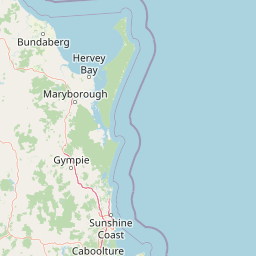
The landscape of Mount Binga National Park is characterized by predominantly flat terrain with some gentle undulations, typical of the Darling Downs region in southern Queensland. The topography provides a relatively open landscape setting rather than dramatic mountainous terrain, despite the park's name referencing Mount Binga. The land supports a diverse range of vegetation types, with araucarian vine forest being the predominant plant community. This vine forest type is a characteristic feature of the South East Queensland bioregion, and the park protects a significant remnant of this vegetation within a landscape that has been extensively modified for agriculture and other land uses.
Mount Binga National Park ecosystems, habitats, and plant life
The ecological character of Mount Binga National Park is defined by its araucarian vine forest, which forms the dominant vegetation type across the park's extent. This forest community represents a significant remnant of a vegetation type that has been largely cleared or modified across much of South East Queensland. The park's ecological significance is further underscored by the presence of five endangered species, including the spotted gum (Corymbia citriodora), a notable tree species of the region. The diverse vegetation supports a range of ecological relationships and provides essential habitat for various species, making the park an important component of the regional conservation network despite its relatively modest area of 1,066.7 hectares.
Mount Binga National Park wildlife and species highlights
Mount Binga National Park supports several bird species that are characteristic of vine forest habitats in South East Queensland. The black-breasted buttonquail, a ground-dwelling bird species, has been recorded within the park along with the black-faced monarch, rainbow bee-eater, and rufous fantail. These species represent the diverse avifauna that depends on the park's vine forest habitats for foraging, nesting, and shelter. The presence of the five endangered species, including the spotted gum as a plant species, indicates the park's broader biodiversity value beyond its bird life, supporting ecological communities that include both flora and fauna species of conservation significance.
Mount Binga National Park conservation status and protection priorities
Mount Binga National Park was specifically created in 2006 to conserve the natural and scenic values of the Mount Binga area, representing a deliberate conservation initiative within South East Queensland. The protection of araucarian vine forest habitat addresses a significant conservation need, as this vegetation type has been extensively reduced across its former range through historical land clearing. The park's inclusion of five endangered species underscores its role in biodiversity preservation, providing protected habitat for species of conservation concern. The connection to the Emu Creek catchment and Brisbane River system also indicates the park's broader watershed significance within the regional landscape. As an IUCN Category II protected area, the national park designation reflects international standards for protected area management focused on ecosystem conservation and protection.
Top sights and standout views in Mount Binga National Park
The araucarian vine forest ecosystem represents the defining ecological feature of Mount Binga National Park, offering protection to a vegetation community that has been significantly reduced across South East Queensland. Five endangered species have been recorded within the park, including the spotted gum, demonstrating the conservation importance of this protected area. The park provides habitat for several bird species including the black-breasted buttonquail, black-faced monarch, rainbow bee-eater, and rufous fantail. Established in 2006, the park emerged from former state forest land and remains adjacent to the ongoing Mount Binga State Forest.