
Why Tamborine National Park stands out
Tamborine National Park is best known for its accessible rainforest walks and cascading waterfalls that provide nature experiences within easy reach of Brisbane and the Gold Coast. The Witches Falls Circuit is particularly famous, descending through ancient cycad groves, strangler fig forests and palm valleys to reach the falls themselves. Curtis Falls offers another popular waterfall experience with its basalt rock face and rock pool. The park is also renowned for its wildlife, particularly the noisy lyrebirds that can be found scratching through leaf litter, the elusive platypus in stream pools, and the conspicuous brush-turkeys that patrol the forest edges. The combination of subtropical rainforest, eucalypt forest and hoop pine formations creates a botanically rich environment that supports remarkable biodiversity.
Tamborine National Park history and protected-area timeline
The Witches Falls section of Tamborine Mountain became Queensland's first national park in 1908, establishing a precedent for nature conservation in the state. This early recognition of the area's significance reflected both its natural beauty and its proximity to the growing city of Brisbane. The park was officially consolidated and expanded in 1993 when the various reserves across Tamborine Mountain were brought together under the Tamborine National Park designation. The park's establishment reflected growing recognition that the mountain's forests, waterfalls and wildlife required formal protection despite the pressure from residential development. Over the decades, the Queensland Parks and Wildlife Service has developed walking tracks, picnic facilities and visitor infrastructure while maintaining the park's natural character. The park's scattered configuration across 14 reserves interspersed with villages represents a unique management approach that balances conservation with the area's established communities.
Tamborine National Park landscape and geographic character
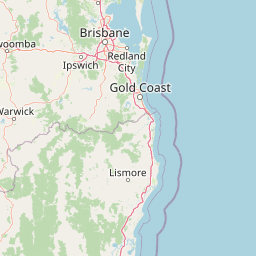
Tamborine National Park sits atop a distinctive basalt plateau that rises abruptly from the surrounding coastal plains of South East Queensland. The plateau surface is gently undulating, reaching elevations around 525 metres above sea level, and is approximately 8 kilometres long and 5 kilometres wide. The park encompasses a variety of landforms including steep scarps where the plateau edge drops away, deep gullies carved by seasonal streams, and basalt rock faces that create dramatic waterfall locations. The landscape transitions from closed canopy rainforest in the sheltered gullies to more open eucalypt forest on the ridge crests and exposed slopes. Rocky outcrops and boulder fields occur throughout, particularly along creek lines where water has carved through the basalt substrate. The park contains several notable waterfalls including Witches Falls, Cedar Creek Falls and Curtis Falls, each with its own character of cascading water, rock pools and mist-hung forest. The interplay of cliff faces, forest canopies and water creates the visual character that draws visitors to the various lookouts and walking tracks.
Tamborine National Park ecosystems, habitats, and plant life
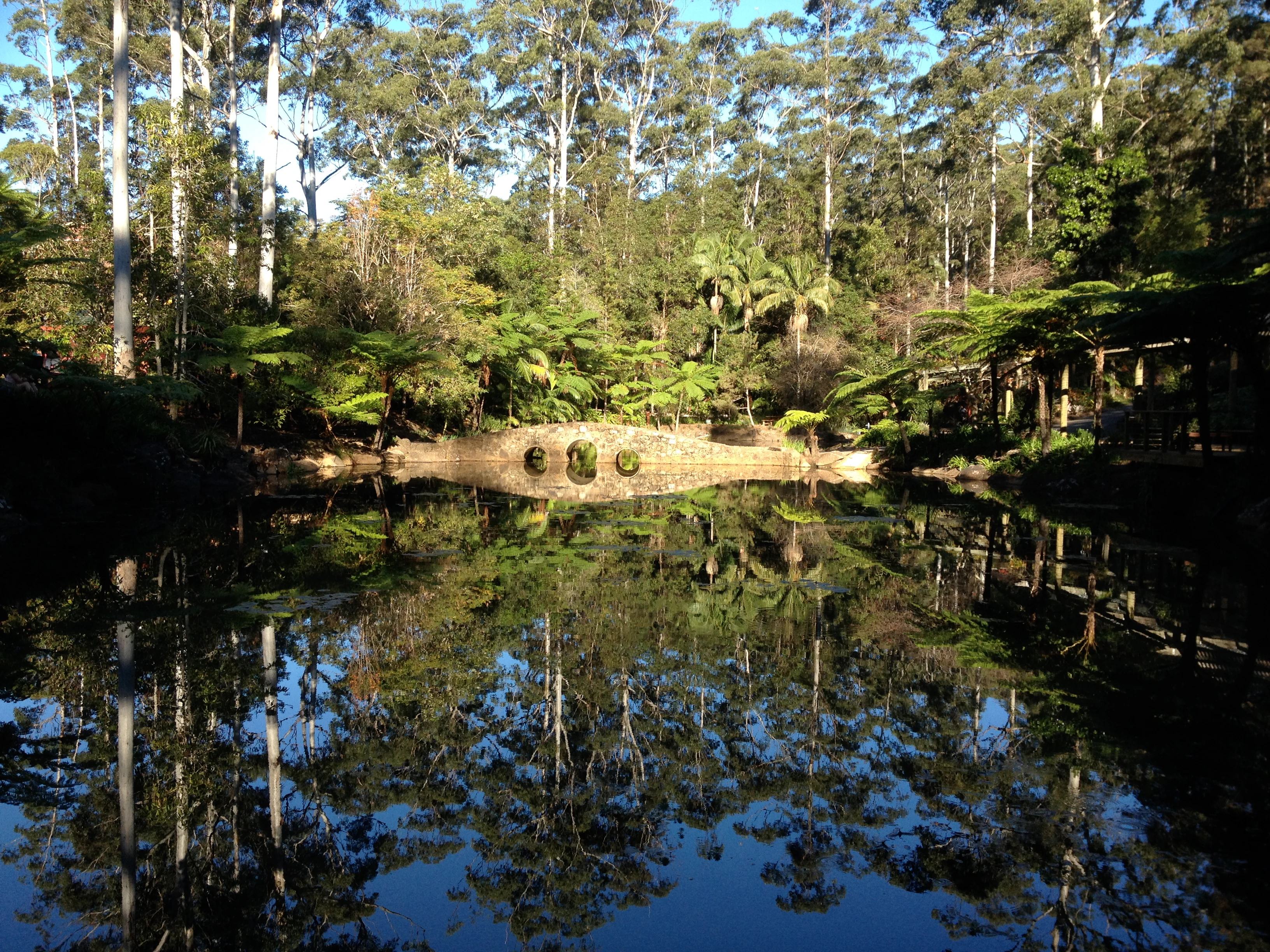
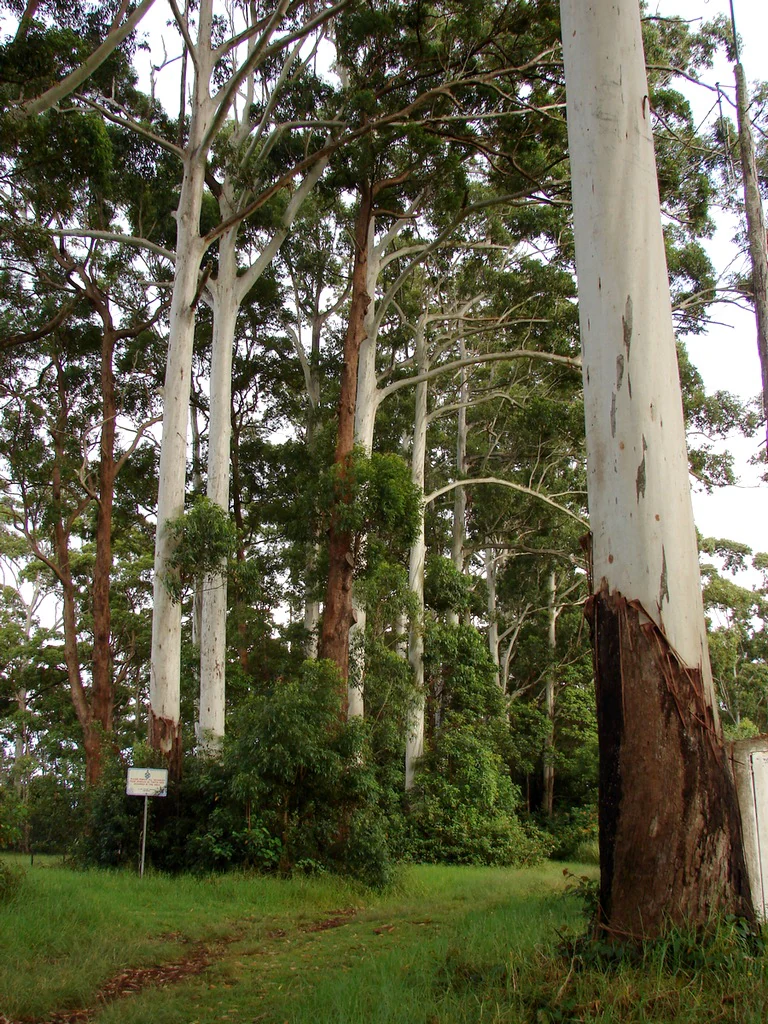
The ecological significance of Tamborine National Park extends far beyond its modest 11.60 square kilometre area. The park preserves critical habitat within the Scenic Rim region, one of Queensland's most biodiverse areas. The park supports approximately 65 percent of all flora species and 85 percent of all fauna species recorded across the entire Scenic Rim Regional Council area. This remarkable concentration of biodiversity reflects the variety of habitats present within the park, from subtropical rainforest dominated by giant stinging trees and figs to wet eucalypt forests of flooded gums and open forests of she-oak and lacebark. The plateau's elevation creates cooler and wetter conditions than the surrounding lowlands, supporting plant species more typical of higher latitudes or altitudes. Hoop pines occur in the drier rainforest areas, while cycads represent ancient plant lineages that have persisted in the mountain's sheltered valleys. The various plant communities support the diverse animal life that makes Tamborine a significant wildlife location.
Tamborine National Park wildlife and species highlights
Tamborine National Park supports an impressive array of wildlife despite its relatively small size and proximity to urban areas. The park is particularly famous for its lyrebirds, whose elaborate tail displays and mimicry of other species make them a highlight for patient visitors who can spot them scratching through leaf litter on forest floors. The platypus, one of Australia's most unusual mammals, inhabits the streams and pools, though seeing this secretive creature requires quiet observation at dawn or dusk. Brush-turkeys are commonly encountered along walking tracks and in picnic areas, their iridescent plumage and distinctive crests making them unmistakable. Lorikeets and other parrots feed in the eucalypt canopy, while eastern whipbirds skulk in the undergrowth with their distinctive calls echoing through the forest. Satin bowerbirds construct elaborate mating structures decorated with blue objects in the forest understory. The park's creeks and streams support freshwater fish and turtles, while various marsupials including possums and gliders occupy the forest canopy and tree hollows.
Tamborine National Park conservation status and protection priorities
Tamborine National Park represents a critical conservation refuge within the heavily modified landscape of South East Queensland. The park preserves approximately 85 percent of all fauna species and 65 percent of all flora species found in the Scenic Rim Regional Council area, making it an essential stronghold for regional biodiversity. The various forest types, from subtropical rainforest to eucalypt woodland, represent remnants of the ecosystems that once covered the entire Tamborine Mountain area before European settlement and subsequent development. The park protects significant populations of native wildlife in an area where habitat loss from residential development continues to pressure native species. The conservation value is enhanced by the connectivity the park provides between larger protected areas in the Scenic Rim, though the fragmented nature of the reserves across 14 separate locations creates management challenges. The protection of water quality in the park's streams also contributes to downstream waterway health in the broader catchment.
Tamborine National Park cultural meaning and human context
Tamborine Mountain holds significance in Aboriginal tradition, with the area traditionally inhabited by the Wangerriburra people and other Aboriginal groups of the Scenic Rim. The mountain's distinctive landscape of waterfalls, gorges and elevated position created a special place in traditional belief systems and resource use patterns. European settlement of Tamborine Mountain began in the late nineteenth century, with early settlers attracted to the cool climate, fertile soils and scenic beauty. The establishment of Witches Falls as Queensland's first national park in 1908 reflected a growing appreciation for the area's natural values. The mountain developed as a rural retreat with orchards, small farms and later as a weekend destination for city dwellers from Brisbane and the Gold Coast. Today the mountain retains a village character with communities interspersed among the national park reserves, creating a landscape where conservation and human settlement exist in close proximity.
Top sights and standout views in Tamborine National Park
Tamborine National Park offers multiple highlights that draw visitors back repeatedly. The Witches Falls Circuit remains the flagship walk, descending through increasingly lush forest to reach the cascade that marked Queensland's first national park. Curtis Falls provides another popular waterfall experience with accessible viewing platforms overlooking the basalt cascade. The Palm Grove section showcases piccabeen palms in their rainforest setting, while the Knoll offers panoramic views and encounters with sunbathing skinks. The Cedar Creek Circuit explores diverse plant communities and cascading water. The various sections support different experiences, from the historic significance of Witches Falls to the botanical variety of MacDonald Park's rainforest circuit. The wildlife, particularly lyrebirds and platypus, adds an extra dimension to any visit. The accessibility from Brisbane and the Gold Coast makes these natural experiences available to visitors without extensive travel.
Best time to visit Tamborine National Park
Tamborine National Park can be visited throughout the year, though different seasons offer different experiences. The period from December to April represents the wet season on Tamborine Mountain, when higher rainfall creates fuller waterfalls and lush green forest conditions. This wet season also brings warmer temperatures and higher humidity, with afternoon thunderstorms common during the summer months. Winter from May to August brings drier conditions and cooler temperatures, making walking more comfortable for those who prefer clearer trails and lower humidity. The cooler weather during winter months makes the mountain an appealing escape from coastal heat. The plateau's elevation ensures temperatures remain moderate throughout the year, generally cooler than the Brisbane and Gold Coast coastal areas below. Visitors interested in wildlife viewing may find different opportunities across seasons, with platypus activity patterns varying with water levels and temperature changes affecting animal visibility.