

Mori Atlas logo
National parkKoreelah National Park

Discover the mapped boundaries and rich natural terrain of this New South Wales national park.

Koreelah National Park: Dramatic Gorge Landscapes and Protected Area Geography

Koreelah National Park represents a significant protected landscape within New South Wales, Australia, offering a unique atlas-driven perspective on its dramatic gorge systems and diverse natural terrain. This national park, situated in the Scenic Rim region, spans 53 square kilometers and is characterized by rugged wilderness, steep cliffs, and significant waterfalls, forming a crucial habitat for native wildlife. Its inclusion as part of the Scenic Rim Important Bird Area highlights its ecological importance, making it a key destination for understanding protected areas and regional geography through detailed mapping and landscape context.

National ParkNew South WalesScenic RimImportant Bird AreaMountain LandscapeGorge

Koreelah National Park

National park

Park overview

Structured park overview, official facts, and landscape profile for Koreelah National Park

Koreelah National Park park facts, protected area profile, and essential visitor context
Review the core facts for Koreelah National Park, including designation, size, terrain, visitor scale, habitats, and operating context in one park-focused overview.

About Koreelah National Park

Koreelah National Park occupies a significant position in northern New South Wales as part of the Scenic Rim, a mountainous region that forms the northern edge of the Great Dividing Range. Established in 1999, the park protects 53 square kilometers of rugged terrain characterized by deep gorges, steep cliffs, and diverse forest ecosystems. The park's establishment represented a commitment to preserving the natural values of this mountainous region, which had historically faced pressures from agricultural land use and timber harvesting. The management by NSW National Parks and Wildlife Service ensures ongoing protection of the park's ecological integrity while providing opportunities for appropriate visitor enjoyment. The park's location within the Scenic Rim Important Bird Area connects it to a broader conservation network recognizing the region's significance for biodiversity, particularly for bird species facing population declines across their range.

Quick facts and research context for Koreelah National Park

Koreelah National Park is located in northern New South Wales within the Scenic Rim region, a mountainous area forming part of the Great Dividing Range. The park was formally declared in 1999 and covers 53 square kilometers of protected wilderness. It is classified as an IUCN Category II protected area, reflecting its national park status. The park lies within the Scenic Rim Important Bird Area, designation that highlights its international significance for threatened bird conservation. The landscape features a prominent gorge system with a deep water hole at its head, surrounded by four-meter cliffs suitable for diving, along with downstream waterfalls accessible only with proper equipment. The area supports populations of platypus, koalas, sugar gliders, brush-tailed rock wallabies, and glossy black cockatoos.

Park context

Deeper park guide and search-rich context for Koreelah National Park

Koreelah National Park history, landscape, wildlife, and travel context
Explore Koreelah National Park through its history, landscape character, ecosystems, wildlife, conservation priorities, cultural context, and seasonal travel timing in a structured park guide built for atlas discovery and search intent.

Why Koreelah National Park stands out

Koreelah National Park is best known for its dramatic gorge landscapes and the exceptional wildlife viewing opportunities found within the Scenic Rim region. The park's centerpiece is a spectacular gorge southwest of the campsite, featuring a deep water hole at its head surrounded by four-meter cliffs that divers can jump from, while larger waterfalls downstream remain accessible only with rope equipment. The park is particularly recognized for its wildlife diversity, with confirmed sightings of platypus in its waterways, koalas in the eucalyptus canopy, sugar gliders in the forest understory, brush-tailed rock wallabies on rocky terrain, and glossy black cockatoos nesting in tree hollows. Its inclusion in the Scenic Rim Important Bird Area further underscores its importance for threatened bird conservation.

Koreelah National Park history and protected-area timeline

Koreelah National Park was formally established in 1999, representing a relatively recent addition to New South Wales's protected area network. The park's creation followed the eviction of cattle from the area around 1999, which allowed for the restoration of natural vegetation patterns and the recovery of wildlife populations that had been impacted by livestock grazing. Prior to national park declaration, the land served as pastoral country with cattle grazing occurring in the valleys and near water sources. The transition to national park status reflected growing recognition of the Scenic Rim region's ecological significance and the need to protect its unique biodiversity from ongoing development pressures. The establishment of the park also aligned with broader conservation initiatives in the region, including the identification of the Scenic Rim as an Important Bird Area by BirdLife International, which highlighted the area's importance for several threatened bird species.

Koreelah National Park landscape and geographic character

The landscape of Koreelah National Park is defined by its dramatic topography and the erosive forces that have shaped the Scenic Rim region over millions of years. The park's central feature is a spectacular gorge system located just southwest of the main campsite, where water has cut through the ancient rock to create a deep canyon with vertical walls. At the head of this gorge lies a notable deep water hole surrounded by four-meter-high cliffs, creating a natural swimming and diving opportunity. The terrain downstream features additional waterfalls, though these locations require technical climbing or rope equipment to access safely from the north. The surrounding landscape includes rocky outcrops, forested slopes, and marshy areas such as White Swamp, which provide diversity to the park's topography. The combination of steep cliffs, forest-covered slopes, and waterways creates a landscape of considerable scenic quality that rewards visitors willing to explore its more remote areas.

Koreelah National Park ecosystems, habitats, and plant life

The nature of Koreelah National Park reflects the ecological richness of the Scenic Rim, a region recognized for its biodiversity and habitat diversity. The park supports wet sclerophyll forest communities dominated by various eucalyptus species, which provide critical habitat for arboreal marsupials including koalas and sugar gliders. The forest understory contains diverse plant communities adapted to the moist, temperate conditions of the mountain slopes. Riparian areas along the park's streams and waterholes support aquatic ecosystems where platypus have been recorded, representing one of the park's most iconic species. The combination of forest, rock, and wetland habitats creates a mosaic of environments that supports the park's wildlife diversity. The park's inclusion in the Scenic Rim Important Bird Area specifically recognizes its importance for bird conservation, particularly for species that depend on the specific habitat conditions found in this mountainous region.

Koreelah National Park wildlife and species highlights

Koreelah National Park supports a diverse wildlife community representative of the Scenic Rim's ecological character. The park is known for reliable platypus sightings in its streams and waterholes, with these iconic monotremes occupying the aquatic habitats within the gorge system. Koalas are present in the eucalyptus forests that dominate the park's slopes, representing one of Australia's most recognizable marsupials. The sugar glider occupies the forest canopy, using its gliding membrane to move between trees in search of nectar and insects. On the rocky terrain throughout the park, brush-tailed rock wallabies navigate the steep cliff faces and boulder fields, utilizing their agile movements to access shelter and feeding areas. The glossy black cockatoo, a distinctive and threatened bird species, inhabits the forest and is known to nest in tree hollows within the park. This combination of mammal, marsupial, and bird species creates a wildlife viewing experience that attracts visitors interested in observing Australia's native fauna.

Koreelah National Park conservation status and protection priorities

Koreelah National Park plays an important role in the conservation network of northern New South Wales and the broader Scenic Rim region. The park's inclusion within the Scenic Rim Important Bird Area, identified by BirdLife International, demonstrates its international conservation significance, particularly for several threatened bird species that depend on the habitats found within this mountainous region. As an IUCN Category II protected area, the park receives formal recognition and protection that ensures its natural values are maintained against development and exploitation pressures. The establishment of the park in 1999 followed the removal of cattle, allowing for the recovery of native vegetation and wildlife populations that had been impacted by pastoral activities. Ongoing management by the NSW National Parks and Wildlife Service focuses on maintaining ecological integrity, controlling invasive species, and managing visitor impacts to ensure the park's natural values endure for future generations.

Koreelah National Park cultural meaning and human context

Koreelah National Park is situated within the traditional lands of Aboriginal peoples who have connections to the Scenic Rim region spanning thousands of years. The park's landscape, with its dramatic gorges, cliffs, and waterholes, would have held significance for Indigenous communities, providing resources, spiritual connections, and cultural values. The name Koreelah derives from the local Aboriginal language, reflecting the park's cultural heritage and the continuing connection between the landscape and its Traditional Owners. The park lies near the small settlement of Old Koreelah, which sits along the Mount Lindsay Highway and serves as a reference point for visitors accessing the park from the north. The region's European history includes pastoral development, with cattle grazing occurring in the area prior to national park establishment in 1999.

Top sights and standout views in Koreelah National Park

The dramatic gorge with its deep water hole and cliff diving opportunities represents the park's most distinctive recreational feature, offering a memorable swimming experience in a rugged natural setting. The opportunity to observe platypus in their natural aquatic habitat provides one of the park's most sought-after wildlife encounters, with the waterholes within the gorge system providing reliable viewing opportunities. The presence of koalas, sugar gliders, brush-tailed rock wallabies, and glossy black cockatoos creates exceptional biodiversity that rewards patient observation throughout the forest and rocky environments. The park's location within the Scenic Rim Important Bird Area highlights its conservation significance, particularly for visitors interested in understanding the broader ecological importance of this protected landscape.

Best time to visit Koreelah National Park

The optimal time to visit Koreelah National Park depends on the experience visitors seek, with different seasons offering distinct advantages. The warmer months from late spring through summer bring ideal conditions for swimming in the gorge's waterholes and enjoying the outdoor activities the park offers, though this coincides with higher visitor numbers. Autumn and winter provide cooler conditions for bushwalking and wildlife observation, with reduced water levels sometimes making the waterholes more accessible for viewing the aquatic environment. Visitors seeking to avoid algae buildup in the waterholes should consider that recent rainfall can affect water quality, with clearer conditions typically following dry periods. The park can be visited year-round, though visitors should be prepared for changing mountain conditions and check current conditions before traveling to remote areas.
Park location guide

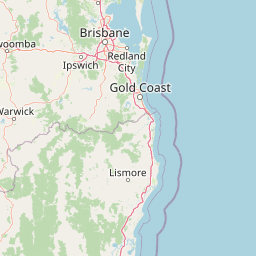
Geography guide, regional context, and park location map for Koreelah National Park

Koreelah National Park park geography, regions, and map view in Australia
Understand where Koreelah National Park sits in Australia through a broader geographic reading of the surrounding landscape, nearby location context, and its mapped position within the national park landscape.

How Koreelah National Park fits into Australia

Australia is a constitutional monarchy and federal parliamentary democracy comprising six states and ten territories. With a population of nearly 28 million, it is one of the world's most urbanised countries, with most people concentrated on the eastern seaboard. The country has a high Human Development Index and is known for its cultural diversity, ancient Aboriginal heritage, and unique wildlife.

Wider geography shaping Koreelah National Park in Australia

Australia occupies the entire Australian continent, the island of Tasmania, and numerous smaller islands. It is the world's flattest and driest inhabited continent, featuring vast deserts in the interior (the Outback), tropical rainforests along the eastern coast, and a coastline bordering the Indian and Pacific Oceans.

Map view of Koreelah National Park

Use this park location map to pinpoint Koreelah National Park in Australia, understand its exact geographic position, and read its mapped placement within the surrounding landscape more clearly.

Pigeon | © OpenStreetMap contributors

Location context for Koreelah National Park

New South Wales
Park atlas

Browse the regional geography of protected landscapes surrounding Koreelah National Park in New South Wales, Australia.

Discover More National Parks and Protected Areas Near Koreelah National Park in the Scenic Rim
Browse additional national parks and protected areas within the Scenic Rim region and wider New South Wales, mapping conservation landscapes beyond Koreelah National Park. Compare varied terrain, observe diverse wildlife habitats, and understand the regional distribution of protected ecosystems through a geographic atlas view.
National parkNew South Wales

Mount Clunie National Park: Protected Mountain Landscape and Gondwana Rainforest Geography

Explore its mapped boundaries and regional significance.

Mount Clunie National Park is a protected national park in New South Wales, Australia, characterized by its mountainous terrain and its status as part of the Gondwana Rainforests of Australia World Heritage Site. Situated in the Scenic Rim region, the park's elevated position and ancient ecosystems offer unique insights into Australia's natural heritage. Understanding its geographic context and protected landscape identity provides essential context for regional atlas exploration.

Area
14.26 km²
Established
1999
IUCN
II
National parkNew South Wales

Toonumbar National Park: Australia's Gondwanan Rainforest Heritage and Volcanic Geography

Explore the mapped protected landscape and ancient ecosystems of this New South Wales national park.

Toonumbar National Park represents a significant component of the Gondwana Rainforests of Australia World Heritage Site, offering a profound look into ancient forest ecosystems. Its landscape is sculpted by ancient volcanic activity, creating dramatic peaks and fertile terrain that supports remarkable biodiversity. This protected area in New South Wales provides critical habitat for numerous threatened species within its extensive subtropical and temperate rainforests, making it a key destination for understanding Australia's natural heritage and geographic context.

Area
149.1 km²
Established
1995
IUCN
II
National parkQueensland

Moogerah Peaks National Park: Protected Volcanic Peaks and Natural Terrain in Queensland

Explore mapped boundaries and regional landscape context.

Moogerah Peaks National Park represents a vital protected area in South East Queensland, safeguarding striking volcanic mountains and their unique ecosystems. This national park showcases dramatic cliff faces and distinct geological formations, offering a valuable snapshot of the region's natural heritage and landscape character. Understanding its protected status and geographic setting within Queensland enhances exploration of Australia's diverse natural environments.

Area
9.27 km²
Established
1982
IUCN
II
National parkQueensland

Lamington National Park: Ancient Gondwanan Rainforests and Volcanic Terrain in Queensland

Mapped protected landscape with over 500 waterfalls and unique cloud forests.

Lamington National Park stands as a key protected area within Queensland, recognized for its world-heritage status Gondwanan rainforests and striking volcanic geography. The park's landscape is characterized by its ancient Antarctic beech forests, a legacy of millions of years of volcanic activity that sculpted dramatic cliffs, plateaus, and deep valleys, punctuated by more than 500 waterfalls. Through its mapped boundaries and detailed geographic context, users can explore the exceptional biodiversity and unique terrain that defines this significant Australian national park.

Area
206 km²
Established
1915
IUCN
II
National parkNew South Wales

Mount Pikapene National Park: Protected Area with Tall Moist Rainforests in New South Wales

Explore the mapped terrain and regional geography of this national park.

Mount Pikapene National Park is a key protected area in New South Wales, recognized for its distinctive tall moist rainforests, a rare ecological community within the Northern Tablelands. The park's landscape features hilly terrain, with Big Sugarloaf marking its highest point at 525 meters. As a national park managed by the National Parks and Wildlife Service, it safeguards significant forest ecosystems and offers valuable insights into the protected geography of eastern Australia's natural heritage.

Area
26.3 km²
Established
1999
IUCN
II
National parkQueensland

Tamborine National Park: Queensland's Accessible Rainforest and Waterfall Landscape

Explore unique plateau geography and mapped protected areas.

Tamborine National Park stands as a crucial protected area nestled atop the Tamborine Mountain plateau in South East Queensland. It preserves vital remnants of subtropical rainforest and eucalypt forests, presenting a rich tapestry of landscapes and biodiversity. The park's unique configuration, with its accessible walking tracks leading to waterfalls like Witches Falls, offers a remarkable opportunity to engage with a protected natural environment. This national park serves as an excellent resource for understanding regional geography and the importance of conservation within populated areas, featuring distinct terrain and mapped natural features.

Area
11.6 km²
Established
1993
IUCN
II
National parkNew South Wales

Mount Jerusalem National Park: Ancient Volcanic Terrain and Protected Landscape Discovery in New South Wales

Explore its mapped geography and Albert's lyrebird habitat.

Mount Jerusalem National Park stands as a key protected area within the dramatic landscape of New South Wales. Situated on the eroded outer rim of the ancient Tweed Caldera, the park showcases distinctive volcanic terrain shaped over millions of years. Its protected boundaries encompass vital habitats, notably supporting significant populations of Albert's lyrebird, and contribute to the watershed dynamics of the Tweed, Brunswick, and Richmond River systems, offering a rich focus for geographic and landscape exploration.

Area
52 km²
Established
1995
IUCN
II
National parkQueensland

D'Aguilar National Park: A Queensland National Park with Diverse Mountain Landscapes and Scenic Views

Explore its mapped protected area boundaries and regional geography.

D'Aguilar National Park presents a compelling geographic profile within Queensland, featuring the rugged terrain of the D'Aguilar Range. This national park is notable for its impressive biodiversity and the distinct ecological zones, ranging from arid eucalyptus forests to lush subtropical rainforests. The park's mapped landscape offers significant interest for atlas exploration, providing context on its role as a protected area and its contribution to the regional natural heritage.

Area
20.5 km²
Established
1938
IUCN
II

Common questions about visiting, size, designation, and location context for Koreelah National Park

Koreelah National Park FAQs for park facts, access, geography, and protected area context
Find quick answers about Koreelah National Park, including protected-area facts, park geography, trail and visitor context, and how the park fits into its surrounding country and regional landscape.
MoriAtlas Explorer

Continue Your Protected Areas Search Across the Global Atlas

Deepen your exploration by continuing the structured search for national parks and protected areas worldwide. Utilize the comprehensive filtering capabilities to compare different conservation landscapes and refine your understanding of global park geography. Discover more about the distribution and characteristics of protected natural areas.

Global natural geography