Why Mount Pikapene National Park stands out
Mount Pikapene National Park is best known for its distinctive tall moist rainforests, which represent a notable ecological community within the Northern Tablelands. The rainforest vegetation is dominated by several key tree species including gray gum, spotted gum, turpentine, pink bloodwood, and brush box. This combination of moist forest species creates a relatively rare habitat type in the region, with the park protecting one of the more significant remnants of this forest community in northern New South Wales.
Mount Pikapene National Park history and protected-area timeline
Mount Pikapene National Park was formally established on 1 January 1999, making it a relatively recent addition to the national park system of New South Wales. The park was created to provide formal protection to the forest ecosystems and natural values found within its boundaries. Under the governance of the National Parks and Wildlife Service of New South Wales, the park is managed according to the principles of national park protection, which emphasize conservation of natural ecosystems while allowing for appropriate public enjoyment where compatible with preservation objectives.
Mount Pikapene National Park landscape and geographic character
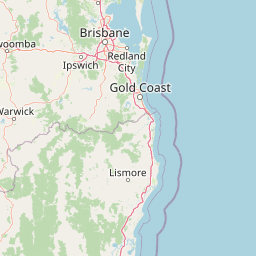
The landscape of Mount Pikapene National Park is defined by hilly terrain typical of the Northern Tablelands region of New South Wales. The park's topography is centered around Big Sugarloaf, the highest peak within the reserve, which rises to 525 metres above sea level and forms a distinctive feature of the park's physical character. The terrain supports the tall moist rainforest communities that are a defining characteristic of the area, with the forest cover extending across the valley floors and slopes of the protected area.
Mount Pikapene National Park ecosystems, habitats, and plant life
The ecological character of Mount Pikapene National Park is defined by its tall moist rainforests, which represent a significant habitat type within the Northern Tablelands. These forests are dominated by a suite of eucalyptus and related species including gray gum, spotted gum, turpentine, pink bloodwood, and brush box. This moist rainforest community represents an important forest type in the region, with the park protecting one of the significant remaining examples of this vegetation association. The combination of these tree species creates a structurally complex forest with multiple canopy layers supporting diverse ecological interactions.