
Mori Atlas logo
National parkBroadwater National Park

Discover the unique coastal rainforests, wetlands, and Coffee Rocks formation.

Broadwater National Park: Protected Landscape and Geographic Context in New South Wales

Broadwater National Park stands as a vital protected area within the New South Wales region of Australia, offering a distinct geographic profile centered around coastal rainforests, freshwater swamps, and eucalyptus forests. This national park, established in 1974, encompasses 421 square kilometers of the Clarence Sandstone basin, providing critical habitats for migratory bird populations and showcasing the unique Coffee Rocks geological formation. Explore the mapped boundaries and ecological mosaic of this significant Australian protected landscape through detailed geographic context and atlas exploration tools.

coastal national parkwetland ecosystemcoastal rainforestbirdwatchingeucalyptus forestmigratory birds

Broadwater National Park

National park

Park overview

Structured park overview, official facts, and landscape profile for Broadwater National Park

Broadwater National Park park facts, protected area profile, and essential visitor context
Review the core facts for Broadwater National Park, including designation, size, terrain, visitor scale, habitats, and operating context in one park-focused overview.

About Broadwater National Park

Broadwater National Park protects a substantial coastal landscape in northern New South Wales, representing one of the region's most ecologically significant protected areas. The park's location on the Australian east coast places it within a climate zone that supports both temperate and subtropical ecological influences, resulting in the unusual混合 of vegetation communities found within its boundaries. The coastal rainforest communities represent some of the most southerly occurrences of this forest type in Australia, while the freshwater swamps and wetland areas provide critical habitat functions for both resident and migratory species. The park's establishment in 1974 reflected growing recognition of the need to protect these coastal ecosystems from development pressures and to preserve the biodiversity values they contain. The NSW National Parks and Wildlife Service continues to manage the area for conservation outcomes while providing opportunities for sustainable visitor enjoyment of the natural values.

Quick facts and research context for Broadwater National Park

Broadwater National Park occupies 421 square kilometres of coastal terrain in northeastern New South Wales, approximately 577 kilometres from Sydney. The park was formally established in 1974 and falls under the management jurisdiction of the NSW National Parks and Wildlife Service, holding IUCN Category II protected area status. The landscape features a distinctive combination of coastal rainforests, swamp systems, and eucalyptus-dominated forests. The park is home to a wide variety of migratory bird species, and contains the notable Coffee Rocks formation, where coloured mineral deposits leach into surrounding waters.

Park context

Deeper park guide and search-rich context for Broadwater National Park

Broadwater National Park history, landscape, wildlife, and travel context
Explore Broadwater National Park through its history, landscape character, ecosystems, wildlife, conservation priorities, cultural context, and seasonal travel timing in a structured park guide built for atlas discovery and search intent.

Why Broadwater National Park stands out

Broadwater National Park is best known for its exceptional combination of coastal rainforest ecosystems and wetland habitats that support significant populations of migratory birds. The park's Coffee Rocks formation stands as a distinctive geological feature, named for the coffee-coloured mineral material that seeps into the water from the rock faces. The diversity of vegetation types, ranging from dense coastal rainforests to open eucalyptus forests and freshwater swamps, creates a remarkably varied landscape within a single protected area. Bird watchers and nature enthusiasts particularly value the park for its concentrations of migratory bird species that use these coastal habitats as feeding and resting grounds.

Broadwater National Park history and protected-area timeline

Broadwater National Park was formally established in 1974 as part of a broader expansion of Australia's national park system during the mid-twentieth century. The creation of the park reflected increasing environmental awareness in Australia during the 1960s and 1970s, when many coastal and wilderness areas began receiving formal protection as community appreciation for natural landscapes grew. The park was placed under the management of the NSW National Parks and Wildlife Service, which maintains administrative responsibility for protected areas throughout New South Wales. The Coffee Rocks area within the park had long been a local landmark even before formal protection was established, with its distinctive coloured runoff long noted by local residents and early visitors to the region.

Broadwater National Park landscape and geographic character

The physical landscape of Broadwater National Park encompasses a varied coastal terrain characterised by gentle slopes, wetland basins, and the distinctive Coffee Rocks formation that gives the park one of its most recognizable features. The coastal rainforest areas occupy the more sheltered valley positions and creek corridors, where moisture levels remain high and canopy development creates dense, humid forest conditions. Open eucalyptus forests dominate the higher and drier ridgelines and slopes, providing a more expansive canopy character that contrasts sharply with the enclosed rainforest zones. Freshwater swamps and associated wetland areas are scattered throughout the park, particularly in the valley floors and areas where drainage patterns create permanently waterlogged conditions. The Coffee Rocks themselves consist of sandstone or similar sedimentary formations from which coloured mineral compounds leach during rainfall events, creating the brownish staining that gives the feature its name.

Broadwater National Park ecosystems, habitats, and plant life

The ecological character of Broadwater National Park is defined by the remarkable diversity of vegetation communities contained within its boundaries, each supporting distinct assemblages of flora and fauna. Coastal rainforests within the park represent a specialised habitat type characterised by dense canopy layers, high humidity, and diverse plant species including ancient Gondwanan lineages that survived from Australia's prehistoric past. The swamp ecosystems provide critical hydrological functions while supporting specialised plant communities adapted to waterlogged conditions and seasonal flooding patterns. Open eucalyptus forests create a different ecological character, with more open understory conditions and different species compositions that support distinct fauna communities. This mosaic of habitat types creates the ecological foundation for the park's significant biodiversity values, particularly the bird communities that utilise multiple habitat types throughout their seasonal cycles.

Broadwater National Park wildlife and species highlights

Broadwater National Park is particularly notable for its birdlife, with the diverse habitat mosaic supporting both resident bird species and large numbers of migratory birds that use the area as seasonal habitat. The wetlands and swamps provide essential feeding and resting areas for migratory shorebirds and waterfowl that travel along the East Asian Australasian Flyway, one of the world's major migratory bird routes. The coastal rainforests host a different assemblage of bird species including canopy-dwelling species that are characteristic of these forest types in eastern Australia. The combination of forested habitats and open wetlands creates optimal conditions for observing a wide variety of bird species, making the park a favoured destination for bird watching enthusiasts. The protected area status helps ensure these bird populations have access to secure habitat free from significant human disturbance, particularly during critical phases of their annual cycles.

Broadwater National Park conservation status and protection priorities

The conservation significance of Broadwater National Park derives from its role as a protected habitat for diverse ecosystems and migratory bird populations along the Australian east coast. The park's coastal rainforests represent relatively rare vegetation communities that are confined to specific climate zones and moisture regimes, making their representation within protected areas particularly important for long-term conservation outcomes. Wetland habitats within the park provide ecosystem services beyond their biodiversity values, including water filtration, flood regulation, and carbon storage functions that contribute to broader environmental health. The protection of migratory bird habitat aligns with Australia's international obligations under migratory bird conservation agreements with other nations in the East Asian Australasian Flyway. The park's management under the NSW National Parks and Wildlife Service ensures that conservation values are maintained while providing controlled opportunities for community engagement with these natural environments.

Broadwater National Park cultural meaning and human context

The Broadwater National Park region has historical connections to Indigenous Australian peoples who inhabited the coastal areas of northern New South Wales for many thousands of years prior to European settlement. The Coffee Rocks formation within the park would have held significance as a natural landmark within the Indigenous cultural landscape, though detailed documentation of specific cultural associations is limited in the available source material. European settlement of the broader region occurred during the nineteenth century, with agricultural and pastoral development altering much of the surrounding landscape while the park area retained its natural character due to its rugged terrain and wet conditions. The establishment of the national park in 1974 reflected a shift in societal values toward preservation of natural areas and recognition of their significance beyond purely utilitarian considerations.

Top sights and standout views in Broadwater National Park

The standout features of Broadwater National Park include its remarkable diversity of ecosystems within a single protected area, ranging from coastal rainforests to eucalyptus forests and freshwater swamps. The Coffee Rocks formation provides a distinctive visual landmark and the origin of the park's name, with its mineral-stained waters creating an unusual natural feature unlike typical Australian coastal scenery. The park's significance as a habitat for migratory birds makes it particularly valuable for ornithological study and birdwatching activities, with the wetland areas providing essential resources for species travelling along major flyways. The coastal rainforest communities represent some of the southernmost occurrences of this forest type in Australia, making them botanically significant for understanding the distribution patterns of these ancient plant lineages.

Best time to visit Broadwater National Park

The optimal time to visit Broadwater National Park generally coincides with Australian autumn and winter months from March through August, when migratory bird populations are most reliably present in the wetland areas and weather conditions are comfortable for outdoor exploration. The summer months from December through February bring warmer temperatures and higher humidity, which can make extended outdoor activities more challenging while also corresponding with reduced bird activity in some wetland areas as water levels fluctuate. Spring months from September through November offer pleasant weather conditions and represent the period when many resident bird species are actively nesting, providing excellent opportunities for observing breeding behaviours. The park can be visited throughout the year, though visitors should be prepared for variable coastal weather conditions and the possibility of rain during any season.

Park location guide

Geography guide, regional context, and park location map for Broadwater National Park

Broadwater National Park park geography, regions, and map view in Australia
Understand where Broadwater National Park sits in Australia through a broader geographic reading of the surrounding landscape, nearby location context, and its mapped position within the national park landscape.

How Broadwater National Park fits into Australia

Australia is a constitutional monarchy and federal parliamentary democracy comprising six states and ten territories. With a population of nearly 28 million, it is one of the world's most urbanised countries, with most people concentrated on the eastern seaboard. The country has a high Human Development Index and is known for its cultural diversity, ancient Aboriginal heritage, and unique wildlife.

Wider geography shaping Broadwater National Park in Australia

Australia occupies the entire Australian continent, the island of Tasmania, and numerous smaller islands. It is the world's flattest and driest inhabited continent, featuring vast deserts in the interior (the Outback), tropical rainforests along the eastern coast, and a coastline bordering the Indian and Pacific Oceans.

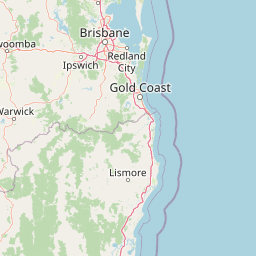
Map view of Broadwater National Park

Use this park location map to pinpoint Broadwater National Park in Australia, understand its exact geographic position, and read its mapped placement within the surrounding landscape more clearly.

Pigeon | © OpenStreetMap contributors

Location context for Broadwater National Park

New South Wales
Park atlas

Trace the interconnected protected landscapes and regional park geography spanning the Australian coastline surrounding Broadwater National Park.

Explore Nearby National Parks and Protected Areas Beyond Broadwater National Park
Browse a curated list of national parks and protected areas near Broadwater National Park, discovering coastal ecosystems, wetland habitats, and eucalyptus forests in the surrounding Australian region. Compare the unique conservation landscapes and regional park geography, extending your atlas-style exploration beyond one specific protected area.
National parkNew South Wales

Bundjalung National Park: New South Wales Protected Landscape Atlas Entry

Explore its unique coffee rock formations and Bundjalung heritage.

Bundjalung National Park is a significant protected area on the coast of New South Wales, Australia, renowned for its distinctive coffee rock formations and coastal heathland ecosystems. This park offers a rich landscape for atlas exploration, showcasing unique geological features along its beaches and headlands. Understanding its geography and protected boundaries provides crucial context for appreciating its natural and cultural significance within the broader regional landscape.

Area
210 km²
Established
1980
IUCN
II
National parkNew South Wales

Mount Jerusalem National Park: Ancient Volcanic Terrain and Protected Landscape Discovery in New South Wales

Explore its mapped geography and Albert's lyrebird habitat.

Mount Jerusalem National Park stands as a key protected area within the dramatic landscape of New South Wales. Situated on the eroded outer rim of the ancient Tweed Caldera, the park showcases distinctive volcanic terrain shaped over millions of years. Its protected boundaries encompass vital habitats, notably supporting significant populations of Albert's lyrebird, and contribute to the watershed dynamics of the Tweed, Brunswick, and Richmond River systems, offering a rich focus for geographic and landscape exploration.

Area
52 km²
Established
1995
IUCN
II
National parkNew South Wales

Fortis Creek National Park: A Protected Valley Landscape in Northern New South Wales

Mapped protected area boundaries and regional geographic context.

Fortis Creek National Park preserves a significant valley and creek environment in northern New South Wales, Australia. Established in 1997, it serves as a protected area safeguarding representative riparian and valley ecosystems. The park's landscape, characterized by draining creek corridors toward the Clarence River basin, offers a glimpse into the natural terrain of eastern Australia, distinct from more commonly known coastal or alpine regions.

Area
78 km²
Established
1997
IUCN
II
Scope
Terrestrial
National parkNew South Wales

Mount Pikapene National Park: Protected Area with Tall Moist Rainforests in New South Wales

Explore the mapped terrain and regional geography of this national park.

Mount Pikapene National Park is a key protected area in New South Wales, recognized for its distinctive tall moist rainforests, a rare ecological community within the Northern Tablelands. The park's landscape features hilly terrain, with Big Sugarloaf marking its highest point at 525 meters. As a national park managed by the National Parks and Wildlife Service, it safeguards significant forest ecosystems and offers valuable insights into the protected geography of eastern Australia's natural heritage.

Area
26.3 km²
Established
1999
IUCN
II
National parkNew South Wales

Toonumbar National Park: Australia's Gondwanan Rainforest Heritage and Volcanic Geography

Explore the mapped protected landscape and ancient ecosystems of this New South Wales national park.

Toonumbar National Park represents a significant component of the Gondwana Rainforests of Australia World Heritage Site, offering a profound look into ancient forest ecosystems. Its landscape is sculpted by ancient volcanic activity, creating dramatic peaks and fertile terrain that supports remarkable biodiversity. This protected area in New South Wales provides critical habitat for numerous threatened species within its extensive subtropical and temperate rainforests, making it a key destination for understanding Australia's natural heritage and geographic context.

Area
149.1 km²
Established
1995
IUCN
II
National parkQueensland

Lamington National Park: Ancient Gondwanan Rainforests and Volcanic Terrain in Queensland

Mapped protected landscape with over 500 waterfalls and unique cloud forests.

Lamington National Park stands as a key protected area within Queensland, recognized for its world-heritage status Gondwanan rainforests and striking volcanic geography. The park's landscape is characterized by its ancient Antarctic beech forests, a legacy of millions of years of volcanic activity that sculpted dramatic cliffs, plateaus, and deep valleys, punctuated by more than 500 waterfalls. Through its mapped boundaries and detailed geographic context, users can explore the exceptional biodiversity and unique terrain that defines this significant Australian national park.

Area
206 km²
Established
1915
IUCN
II
National parkNew South Wales

Mount Clunie National Park: Protected Mountain Landscape and Gondwana Rainforest Geography

Explore its mapped boundaries and regional significance.

Mount Clunie National Park is a protected national park in New South Wales, Australia, characterized by its mountainous terrain and its status as part of the Gondwana Rainforests of Australia World Heritage Site. Situated in the Scenic Rim region, the park's elevated position and ancient ecosystems offer unique insights into Australia's natural heritage. Understanding its geographic context and protected landscape identity provides essential context for regional atlas exploration.

Area
14.26 km²
Established
1999
IUCN
II
National parkNew South Wales

Koreelah National Park: Protected Landscape with Dramatic Gorges and Wildlife

Explore the mapped terrain and regional geography of this New South Wales national park.

Koreelah National Park is a protected national park located in northern New South Wales, Australia, celebrated for its rugged topography and significant natural features. The park's landscape is defined by spectacular gorges, sheer cliffs, and impressive waterfall systems, creating a remote wilderness experience. It serves as a vital protected area, offering refuge to diverse wildlife, including platypus and koalas, and is recognized for its importance within the Scenic Rim Important Bird Area. Discover its mapped boundaries and unique geographic context for a deeper understanding of Australian protected lands.

Area
53 km²
Established
1999
IUCN
II

Common questions about visiting, size, designation, and location context for Broadwater National Park

Broadwater National Park FAQs for park facts, access, geography, and protected area context
Find quick answers about Broadwater National Park, including protected-area facts, park geography, trail and visitor context, and how the park fits into its surrounding country and regional landscape.
MoriAtlas Explorer

Continue Your Protected Areas Search Across the Global Atlas

Deepen your exploration by continuing the structured search for national parks and protected areas worldwide. Utilize the comprehensive filtering capabilities to compare different conservation landscapes and refine your understanding of global park geography. Discover more about the distribution and characteristics of protected natural areas.

Global natural geography