

Mori Atlas logo
National parkConondale National Park

Explore the rugged mountain terrain, subtropical rainforests, and rich biodiversity of this vital protected area.

Conondale National Park: Protected Landscape and Regional Geography in Queensland, Australia

Conondale National Park represents a significant protected national park within the rugged mountain terrain of Queensland, Australia. This atlas-focused entry details the park's extensive subtropical rainforests, woodlands, and its crucial role as a refuge for threatened species. Understand its geographic position as a major catchment divide, contributing vital context to the regional landscape and its conservation value.

Subtropical RainforestMountain WildernessImportant Bird AreaThreatened Species RefugeQueensland National ParkAmphibian Conservation

Conondale National Park

National park

Park overview

Structured park overview, official facts, and landscape profile for Conondale National Park

Conondale National Park park facts, protected area profile, and essential visitor context
Review the core facts for Conondale National Park, including designation, size, terrain, visitor scale, habitats, and operating context in one park-focused overview.

About Conondale National Park

Conondale National Park protects a significant portion of the Conondale Range in southeast Queensland, representing one of the most botanically diverse areas in the state. The park's rugged landscape features dramatic topography with deep gorges, steep valleys, and numerous mountain peaks exceeding 700 meters elevation. The Conondale Range serves as a critical watershed divide, separating the Brisbane River catchment from the Mary River system, with Booloumba Creek and Yabba Creek forming the southernmost tributaries of the Mary River. Throughout the park, scenic waterfalls, cascades, and boulder-strewn creeks contribute to the area's wilderness character. The park contains wetlands of national significance and supports complex ecosystems that transition from subtropical rainforests at higher altitudes to woodlands and sclerophyll forest at lower elevations. Management occurs under Queensland's Nature Conservation Act 1992 by the Queensland Parks and Wildlife Service, with the park providing important habitat connectivity in a landscape fragmented by agriculture, mining, and forestry operations.

Quick facts and research context for Conondale National Park

Conondale National Park covers 35,648 hectares in southeast Queensland's Sunshine Coast Hinterland near the town of Conondale. The landscape features rugged topography with gorges, valleys, and mountains exceeding 700 meters elevation, with Mount Langley standing as the highest peak at 868 meters. The park protects 31 distinct vegetation types including subtropical rainforest, complex notophyll vine forest, wet and dry sclerophyll forest, and bangalow palm forests. Queensland's tallest tree, a 73-meter tall flooded gum, was discovered within the park in 2013. The park contains wetlands of national significance and numerous scenic waterfalls including Booloumba Creek Falls.

Park context

Deeper park guide and search-rich context for Conondale National Park

Conondale National Park history, landscape, wildlife, and travel context
Explore Conondale National Park through its history, landscape character, ecosystems, wildlife, conservation priorities, cultural context, and seasonal travel timing in a structured park guide built for atlas discovery and search intent.

Why Conondale National Park stands out

Conondale National Park is best known for its exceptional biodiversity significance and its role as a critical refuge for numerous threatened species. The park protects one of Queensland's most significant remaining areas of subtropical rainforest and is considered a stronghold for several endangered amphibians including the giant barred frog and fleay's barred frog at their northern range limits. It is designated as an Important Bird Area by BirdLife International with 174 bird species recorded, including the vulnerable plumed frogmouth and black-breasted button-quail. The park also supports significant populations of the Richmond birdwing butterfly and contains the only known habitat for the endangered Conondale crayfish. The Conondale ranges provide an important northern refuge for eastern bristlebird populations, a species now endangered across its former range from Victoria to Queensland.
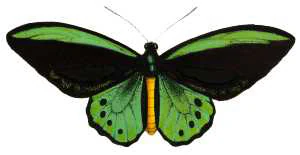
Richmond Birdwing Butterfly
Richmond Birdwing butterfly (Ornithoptera richmondius) is a birdwing species endemic to Australia, and the second smallest birdwing species.

Conondale National Park history and protected-area timeline

The Conondale region has a rich history spanning both Indigenous occupation and European settlement. The Jinibara and Kabi Kabi peoples were the traditional owners of this landscape, which served as an important pathway and resource gathering area. The bunya pine, which still occurs within the park, was particularly significant as a food resource and remains culturally important to Indigenous peoples today. European settlement began in the 1860s, bringing gold mining, farming, and intensive logging to the region. Timber species harvested included red cedar, blackbutt, and tallowood. By the early 1900s, state forests were declared and remnant logging was gradually replaced by hoop pine plantations. Following decades of conservation advocacy against proposed logging of pristine Conondale areas that would have impacted critical watersheds and endangered species such as the plumed frogmouth, the national park was established in 1977. Many parts of the surrounding region have since been re-vegetated through efforts by private landowners and Landcare groups.

Conondale National Park landscape and geographic character

The Conondale landscape displays rugged and dramatic terrain characteristic of the mountain ranges of southeast Queensland. The topography features deep gorges, steep valleys, and a series of mountain peaks rising above 700 meters, with Mount Langley reaching 868 meters as the highest point in the park. The Conondale Range forms a pronounced catchment divide between the Brisbane River and Mary River drainage systems. Throughout the park, scenic water features including Booloumba Creek Falls, numerous cascades, and boulder-strewn creeks create varied aquatic habitats. The park contains wetlands of recognized national significance. The landscape transitions through multiple vegetation zones, with subtropical rainforest dominating at higher altitudes and along watercourses, giving way to wet and dry sclerophyll forests and woodlands at lower elevations. The region experiences a sub-tropical climate with mean annual rainfall of approximately 1,500 millimeters, concentrated in the summer months from December to March with heavy downpours, while winters are generally cold and dry with occasional frosts.
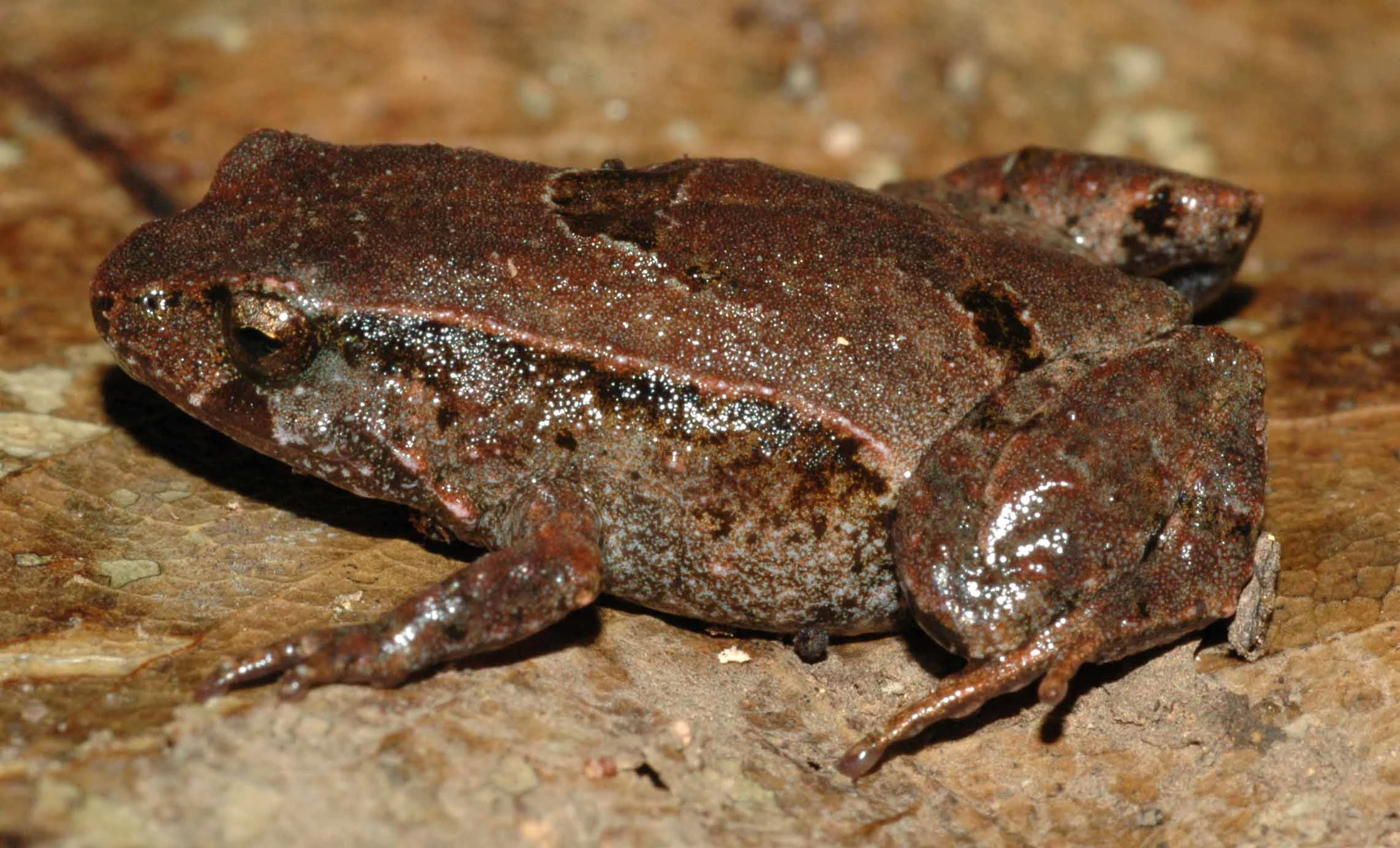
Black-breasted Button-quail
Male Black-breasted Button-quail (Turnix melanogaster) at Inskip Point, South East Queensland, Australia.

Conondale National Park ecosystems, habitats, and plant life

Conondale National Park protects exceptional ecological diversity across 31 distinct vegetation types. Approximately two-thirds of the original vegetation in the broader Conondale region has been cleared for agriculture and forestry, making the park's protected areas critically important for biodiversity conservation. The park preserves extensive subtropical rainforest, complex notophyll vine forest, wet and dry sclerophyll forest, bangalow palm forests, and remnants of bunya pine and hoop pine. Gallery rainforests and semi-evergreen vine thickets are listed as endangered vegetation communities. A total of 796 plant species have been recorded within the park, including twelve species listed as endangered, vulnerable, or near threatened. The park protects significant stands of the Richmond birdwing vine, crucial for the butterfly's lifecycle. Queensland's tallest tree, a 73-meter flooded gum discovered in 2013, stands within the park's tall eucalypt forests.
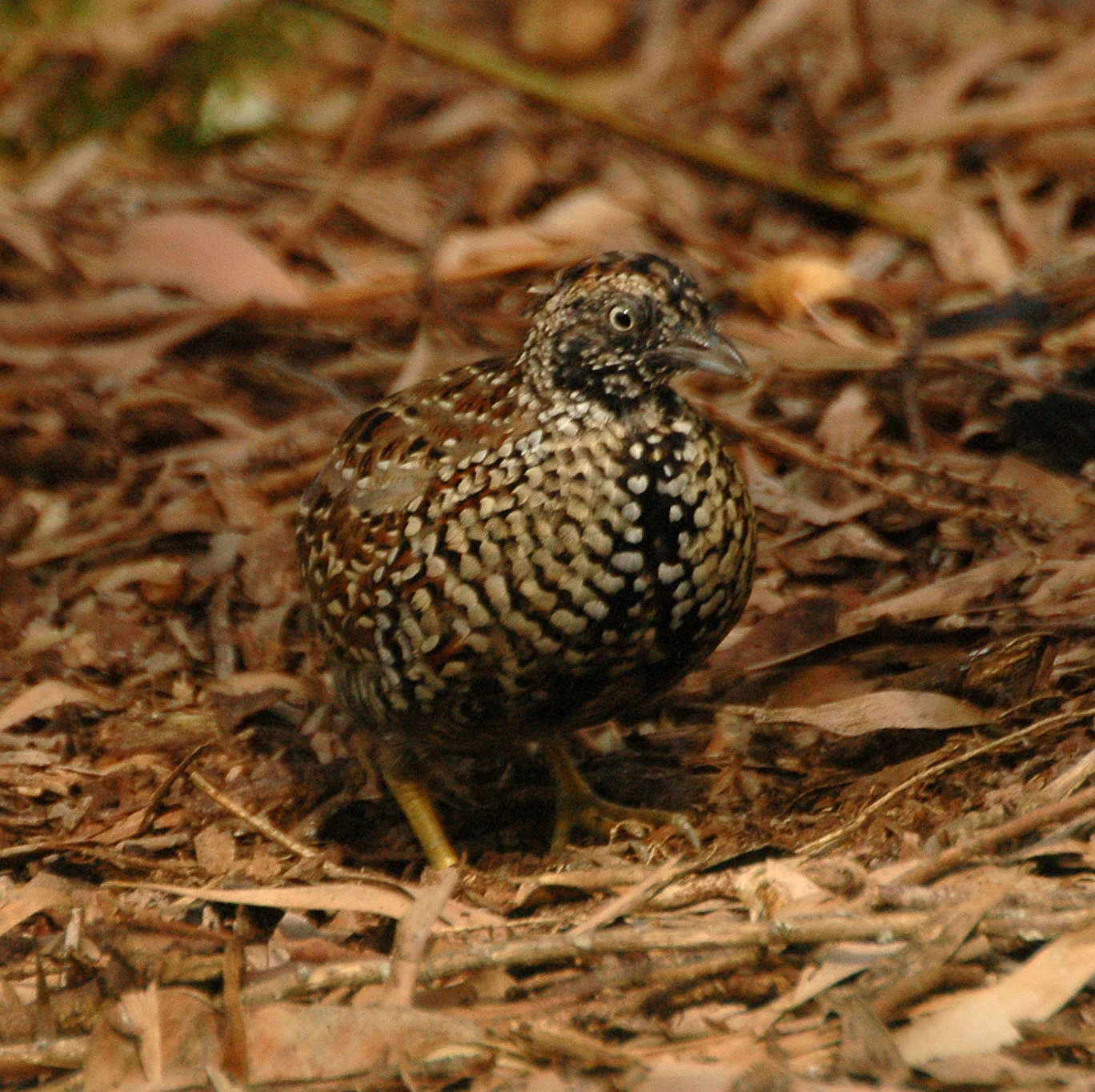
Assa darlingtoni.jpg
Assa darlingtoni frog

Conondale National Park wildlife and species highlights

Conondale National Park supports remarkable wildlife diversity across multiple taxon groups. The park is recognized as an Important BirdArea with 174 bird species recorded, including fourteen endangered or vulnerable species such as Coxen's fig parrot, red goshawk, glossy black cockatoo, powerful owl, and the vulnerable plumed frogmouth discovered here in 1976. The Conondale ranges provide a crucial northern refuge for eastern bristlebird populations, now endangered throughout much of its former range. Mammals include 68 recorded species such as yellow-bellied glider, koala, grey-headed flying-fox, rufous bettong, long-nosed potoroo, and the spotted-tail quoll, mainland Australia's largest surviving marsupial. Thirty-one frog species occur here, including the endangered giant barred frog at its northern limit and the endangered fleay's barred frog. The park is a stronghold for the endangered Conondale crayfish, which occurs only in upland rainforest streams of the Conondale and Blackall ranges. Fifty-four reptile species have been recorded, including the near threatened challenger skink.

Conondale National Park conservation status and protection priorities

Conondale National Park faces significant conservation challenges despite its protected status. The park serves as a critical refuge for numerous threatened species in a heavily cleared landscape, but these species remain vulnerable to multiple threats. The southern gastric brooding frog, discovered in 1973 and known for its unique stomach-brooding reproduction, disappeared from the park by 1981 and is now presumed extinct alongside the southern dayfrog. These declines may be linked to the deadly chytrid fungus, which has been identified as a key threatening process for stream frogs in Australia. Feral animals including cats, foxes, wild dogs, and feral pigs pose ongoing predation and habitat degradation threats, particularly to ground-dwelling mammals and birds. Invasive plant species such as lantana and dutchmans pipe threaten native vegetation and disrupt ecological processes. Climate change has been identified as a particular threat to amphibians and other sensitive species. Fire management balances ecological needs with species protection, as fire-sensitive species like the black-breasted button-quail and eastern bristlebird require careful management strategies.

Conondale National Park cultural meaning and human context

The Conondale region holds significant cultural importance for the Jinibara and Kabi Kabi traditional owners, who have inhabited this landscape for thousands of years. The Conondale Range served as an important pathway and resource gathering area for these Indigenous peoples, with the bunya pine holding particular cultural significance as a seasonal food source that remains important to Indigenous communities today. European settlement from the 1860s transformed the landscape through gold mining along creeks such as Kilcoy Creek, agricultural expansion, and extensive logging operations that harvested valuable timber species including red cedar, blackbutt, and tallowood. The establishment of the national park in 1977 came after sustained advocacy by conservationists to protect remaining pristine areas from logging that would have damaged critical watersheds and endangered species habitat. The park now provides opportunities for bushwalking, camping, four-wheel driving, horse riding, and bird watching while preserving both cultural heritage values and ecological diversity.

Top sights and standout views in Conondale National Park

Conondale National Park stands out as a biodiversity hotspot in southeast Queensland, protecting one of the state's most significant remaining subtropical rainforests and serving as a critical refuge for numerous threatened species. The park's exceptional bird diversity includes the vulnerable plumed frogmouth and the endangered eastern bristlebird, which finds its northern stronghold in the Conondale ranges. Amphibian conservation is particularly significant, with the park supporting multiple threatened frog species at their range limits, including the endangered giant barred frog and fleay's barred frog. The Richmond birdwing butterfly recovery program operates here, protecting critical habitat for this vulnerable species. The discovery of Queensland's tallest tree, a 73-meter flooded gum, highlights the park's remarkable forest structures. The dramatic mountain landscape with its waterfalls, gorges, and scenic creeks provides both ecological and aesthetic value within the Brisbane-Mary River catchment divide.

Best time to visit Conondale National Park

The sub-tropical climate of Conondale National Park influences optimal visiting conditions, with the park offering different experiences across seasons. Summer months from December to March bring the majority of annual rainfall, typically as heavy downpours, which can create spectacular waterfall displays but may also make some tracks impassable and increase flood risks in creek crossings. Winter months from June to August generally provide drier, more stable conditions suitable for bushwalking and camping, though nights can be cold and frosts occur occasionally. The transition seasons of spring and autumn offer moderate weather and can be excellent times for wildlife observation. Bird watching is productive year-round, though spring and summer bring increased activity and breeding behaviors. Visitors should be aware that the park's higher elevations experience cooler temperatures than the surrounding lowlands, and weather conditions can change rapidly in the mountain environment.
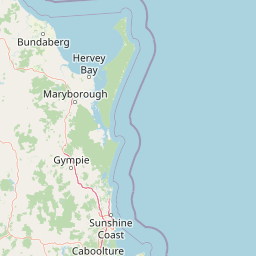
Park location guide

Geography guide, regional context, and park location map for Conondale National Park

Conondale National Park park geography, regions, and map view in Australia
Understand where Conondale National Park sits in Australia through a broader geographic reading of the surrounding landscape, nearby location context, and its mapped position within the national park landscape.

How Conondale National Park fits into Australia

Australia is a constitutional monarchy and federal parliamentary democracy comprising six states and ten territories. With a population of nearly 28 million, it is one of the world's most urbanised countries, with most people concentrated on the eastern seaboard. The country has a high Human Development Index and is known for its cultural diversity, ancient Aboriginal heritage, and unique wildlife.

Wider geography shaping Conondale National Park in Australia

Australia occupies the entire Australian continent, the island of Tasmania, and numerous smaller islands. It is the world's flattest and driest inhabited continent, featuring vast deserts in the interior (the Outback), tropical rainforests along the eastern coast, and a coastline bordering the Indian and Pacific Oceans.

Map view of Conondale National Park

Use this park location map to pinpoint Conondale National Park in Australia, understand its exact geographic position, and read its mapped placement within the surrounding landscape more clearly.

Pigeon | © OpenStreetMap contributors

Location context for Conondale National Park

Queensland

A Mapped Gallery to Understand the Terrain, Habitats, and Protected Character of Queensland's Ranges

Conondale National Park: Visual Exploration of its Rainforest Landscapes and Mountain Scenery
Visually explore Conondale National Park through a curated collection of imagery, revealing its distinctive subtropical rainforests, rugged mountain terrain, and diverse ecosystems. Review these park photos to gain a deeper understanding of the protected area's landscapes, water features, and critical habitats for threatened species in Queensland.

Richmond Birdwing Butterfly

Podargus ocellatus - Redwood - Queensland

Black-breasted Button-quail

Assa darlingtoni.jpg

Park atlas

Explore Regional Protected Landscapes and Mountain Wilderness Areas Surrounding Conondale National Park

Discover Nearby National Parks and Protected Areas Beyond Conondale National Park in Southeast Queensland
Continue your exploration of Conondale National Park by mapping other national parks and protected areas across Queensland's Sunshine Coast Hinterland. Browse diverse protected landscapes, compare unique mountain terrains, and trace the regional spread of significant conservation zones.
National parkQueensland

Kondalilla National Park: Protected Waterfall Landscape and Bunya Pine Atlas

Explore Queensland's Blackall Range geography and mapped natural terrain.

Kondalilla National Park is a protected national park on the Blackall Range in Queensland, recognized for its significant remnant subtropical rainforest and spectacular waterfalls. This atlas entry provides detailed insight into its mapped boundaries, geographic setting, and the unique landscape character, including the easternmost bunya pine stands, making it a key destination for protected-area discovery.

Area
3.27 km²
Established
1945
IUCN
II
Relief
Mixed relief
National parkQueensland

Mount Coolum National Park: Mapped Boundaries and Geological Significance in Queensland

Explore Queensland's unique laccolith national park and its diverse botanical landscapes.

Mount Coolum National Park offers a concentrated study in unique geological formations and botanical richness within Queensland's protected lands. As a prominent laccolith, the park's dome-shaped mountain and rhyolite cliffs provide a striking natural landmark. Explore its mapped terrain, from forested slopes to rare heath communities, and grasp its significance as a protected area contributing to the regional landscape context. Understand the distinct natural character of this Sunshine Coast national park.

Area
0.69 km²
Established
1990
IUCN
II
Relief
Mixed relief
National parkQueensland

Tewantin National Park: Queensland National Park with Volcanic Peaks and Coastal Rainforest

Explore its unique ecosystems and protected landscape boundaries.

Tewantin National Park is a key protected area in Queensland, recognized for its distinct landscape blending coastal rainforest, vibrant Wallum Heath, and the ancient volcanic dome of Mount Tinbeerwah. This national park provides essential conservation for endangered species, particularly amphibians and the swamp stringybark tree, serving as an important natural enclave within the Sunshine Coast region. Its mapped geography offers insight into the ecological significance of this protected landscape, contributing a vital piece to Australia's atlas of natural heritage.

Area
13 km²
IUCN
II
Relief
Mixed relief
Climate
Subtropical
National parkQueensland

D'Aguilar National Park: A Queensland National Park with Diverse Mountain Landscapes and Scenic Views

Explore its mapped protected area boundaries and regional geography.

D'Aguilar National Park presents a compelling geographic profile within Queensland, featuring the rugged terrain of the D'Aguilar Range. This national park is notable for its impressive biodiversity and the distinct ecological zones, ranging from arid eucalyptus forests to lush subtropical rainforests. The park's mapped landscape offers significant interest for atlas exploration, providing context on its role as a protected area and its contribution to the regional natural heritage.

Area
20.5 km²
Established
1938
IUCN
II
National parkAustralia

Mount Binga National Park National Park: Protecting South East Queensland's Araucarian Vine Forest

Explore its mapped terrain and significant protected landscape.

Mount Binga National Park stands as a crucial protected area within Australia's South East Queensland, recognized for its conservation of the rare araucarian vine forest. This national park preserves a significant remnant of this vital vegetation type, offering habitat to multiple endangered species. Delve into its specific geographic context and the importance of its mapped boundaries for maintaining regional biodiversity and ecological integrity.

Area
10.667 km²
Established
2006
IUCN
II
National parkFraser Coast Region

Poona National Park: Coastal Wetland Refuge and Protected Landscape Exploration

Discover the mapped terrain and regional geography of this national park.

Poona National Park protects a critical coastal wetland ecosystem in Queensland's Fraser Coast Region, renowned for its role as a refuge for endangered trees and threatened animal species. The park's landscape is characterized by extensive marshy areas and coastal forests situated between river systems and the ocean. This undeveloped protected area provides essential habitat, highlighting the unique geographic context and conservation importance of these coastal environments within Australia.

Area
53.68 km²
Established
1991
IUCN
II
Relief
Lowland
National parkQueensland

Mount Walsh National Park: Mapped Granite Landscape and Protected Area in Queensland

Explore Queensland's unique volcanic terrain and regional park geography.

Mount Walsh National Park in Queensland, Australia, offers a compelling study in landscape contrasts, defined by its striking granite bluff and rugged topography. This protected area features dramatic exposed rock formations, steep forested slopes, and sheltered gullies, a direct result of ancient geological processes. The park's unique terrain, from bare granite summits to vegetated ridges, provides essential habitat and illustrates the intricate relationship between geology and ecology. For those interested in atlas-style geographic discovery, Mount Walsh National Park serves as a prime example of a distinctive Australian protected landscape.

Area
52.4 km²
Established
1947
IUCN
II
Relief
Mountain
National parkQueensland

Tamborine National Park: Queensland's Accessible Rainforest and Waterfall Landscape

Explore unique plateau geography and mapped protected areas.

Tamborine National Park stands as a crucial protected area nestled atop the Tamborine Mountain plateau in South East Queensland. It preserves vital remnants of subtropical rainforest and eucalypt forests, presenting a rich tapestry of landscapes and biodiversity. The park's unique configuration, with its accessible walking tracks leading to waterfalls like Witches Falls, offers a remarkable opportunity to engage with a protected natural environment. This national park serves as an excellent resource for understanding regional geography and the importance of conservation within populated areas, featuring distinct terrain and mapped natural features.

Area
11.6 km²
Established
1993
IUCN
II

Common questions about visiting, size, designation, and location context for Conondale National Park

Conondale National Park FAQs for park facts, access, geography, and protected area context
Find quick answers about Conondale National Park, including protected-area facts, park geography, trail and visitor context, and how the park fits into its surrounding country and regional landscape.
MoriAtlas Explorer

Continue Your Protected Areas Search Across the Global Atlas

Deepen your exploration by continuing the structured search for national parks and protected areas worldwide. Utilize the comprehensive filtering capabilities to compare different conservation landscapes and refine your understanding of global park geography. Discover more about the distribution and characteristics of protected natural areas.

Global natural geography