Why Poona National Park stands out
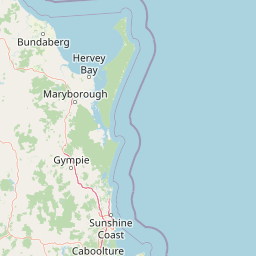
Poona National Park is best known for its role as a coastal wetland refuge protecting endangered trees and threatened animal species. The park's extensive marshes and forested areas between rivers and the sea create a distinctive coastal ecosystem that supports biodiversity in a region where such habitats are increasingly rare. Its proximity to the Fraser Coast makes it a significant conservation area within easy reach of a regional population center, though the park remains relatively undeveloped with no designated walking trails, emphasizing its focus on habitat preservation over visitor infrastructure.
Poona National Park history and protected-area timeline
Poona National Park was established in 1991 through formal protected area designation by the Queensland government. The creation of the park reflected growing recognition during the late 20th century of the conservation value inherent in Queensland's coastal wetland systems. The Fraser Coast Region, where Poona is located, had experienced various forms of agricultural and coastal development that reduced the extent of intact natural habitats. Designating Poona as a national park provided formal legal protection for the area's ecological values, particularly its wetlands and forested communities that support threatened species. Management responsibility was assigned to the Queensland Parks and Wildlife Service, which continues to oversee the park's conservation priorities.
Poona National Park landscape and geographic character
The landscape of Poona National Park is defined by its coastal position where river systems meet the Pacific Ocean. The terrain is predominantly low-lying, with extensive marshy areas and forested patches distributed between watercourses and the shoreline. The park occupies a transition zone between terrestrial and marine environments, creating a complex mosaic of wetlands, woodlands, and waterways. This coastal geography supports specialized plant communities adapted to periodic flooding and saline influences. The flat to gently undulating terrain lacks dramatic topographic relief but possesses its own subtle beauty through the patterns of vegetation, water channels, and open wetland spaces.
Poona National Park ecosystems, habitats, and plant life
Poona National Park protects a coastal ecosystem characterized by marshland and forest communities. The wetlands within the park serve as important ecological filters and provide habitat for water-associated species. The forested sections contain tree species, some of which carry endangered status, reflecting the conservation significance of this area. The park's position along the coast places it within a biogeographic zone where tropical and temperate influences overlap, creating ecological diversity within a relatively compact area. These habitats collectively support the park's function as a wildlife refuge.
Poona National Park wildlife and species highlights
As a wildlife refuge, Poona National Park provides habitat for various animal species, including those classified as endangered. The wetland environments support waterbirds and aquatic fauna, while the forest communities offer shelter for terrestrial species. The presence of endangered animals was specifically noted in the park's establishment documentation, indicating that Poona serves as a sanctuary for species of conservation concern. The mix of wetland, forest, and coastal habitats creates a diverse environment capable of supporting multiple ecological niches.
Poona National Park conservation status and protection priorities
Poona National Park holds conservation significance as a protected area for endangered trees and animals in coastal Queensland. The park's designation as a wildlife refuge emphasizes its primary function of species protection rather than recreation. The Fraser Coast Region has experienced development pressure, making protected areas like Poona increasingly important for maintaining biodiversity. The park protects coastal wetland ecosystems that provide services including water filtration, flood buffering, and habitat provision for migratory and resident species. Its location within a populated region means the park also serves as an ecological anchor within a modified landscape.
Poona National Park cultural meaning and human context
The park occupies land within the Boonooroo Plains and Boonooroo localities, which are places with local heritage within the Fraser Coast Region. The area has historical connections to the traditional lands of Aboriginal peoples, though detailed cultural information specific to the park's boundary would require additional local sources.
Top sights and standout views in Poona National Park
Poona National Park's main attributes include its status as a coastal wetland refuge with endangered species, its accessibility from Maryborough and the broader Fraser Coast, and its undeveloped character that prioritizes conservation over recreation. The park offers fishing at Kalah Creek and permits photography and nature observation, providing modest nature-based activities within a protected landscape. Its wetland and forest habitats represent increasingly rare coastal ecosystems in the region.
Best time to visit Poona National Park
The park can be visited year-round given its coastal Queensland location. The warmer months from spring through autumn typically offer more comfortable conditions for outdoor activities like photography and fishing. Wetland bird activity may be more observable during drier periods when water bodies concentrate wildlife. Visitors should note that camping is not permitted and there are no formal walking trails, so the park experience centers on day-use activities.