Mori Atlas logo
National parkGoodnight Scrub National Park

Discover the mapped boundaries and unique hoop pine ecosystems of this vital protected area.

Goodnight Scrub National Park: Queensland's Protected Dry Rainforest Landscape

Goodnight Scrub National Park represents a crucial protected landscape in Queensland, Australia, approximately 274 kilometers northwest of Brisbane. This national park is dedicated to preserving a rare dry rainforest ecosystem, a distinctive habitat type dominated by towering hoop pine trees. Its mapped boundaries encompass vital natural terrain within the Burnett River water catchment, offering a unique perspective on conservation in South East Queensland.

Dry RainforestHoop PineQueenslandSouth East QueenslandProtected Area Burnett River Catchment

Goodnight Scrub National Park

National park

Park overview

Structured park overview, official facts, and landscape profile for Goodnight Scrub National Park

Goodnight Scrub National Park park facts, protected area profile, and essential visitor context
Review the core facts for Goodnight Scrub National Park, including designation, size, terrain, visitor scale, habitats, and operating context in one park-focused overview.

About Goodnight Scrub National Park

Goodnight Scrub National Park protects one of Queensland's more unusual forest ecosystems. Unlike the wet rainforests that dominate much of the state's coast, this park preserves dry rainforest, a community that thrives in areas with lower rainfall but still retains sufficient moisture to support rainforest vegetation. The hoop pine-dominated forest creates a unique visual character, with these conifers emerging above the surrounding understory to create a layered canopy structure.

The park's location within the Burnett River catchment places it at the interface between different landscape systems. The Burnett River basin has historically supported diverse ecological communities, and Goodnight Scrub represents one of the remaining intact examples of dry rainforest in this region. The presence of Paradise Dam at the southern edge of the park highlights the significant hydrological role that these protected lands play in watershed protection.

Unlike many national parks that cater to visitors with extensive facilities, Goodnight Scrub maintains a more primitive character. There are no formal walking tracks, and camping is not permitted within the reserve. This approach reflects both the park's focus on conservation rather than recreation, and the challenging nature of the terrain for general visitation. Fire trails provide the primary means of access for management purposes.

Quick facts and research context for Goodnight Scrub National Park

Goodnight Scrub National Park protects an area of approximately 63 square kilometres in central Queensland. The terrain sits at an elevation of around 154 metres above sea level, with the landscape characterized by dry rainforest communities dominated by hoop pine. The park lies within the Burnett River water catchment and the South East Queensland bioregion. Paradise Dam marks the southern boundary of the reserve. The area is managed by the Queensland Parks and Wildlife Service. Notably, the park contains at least five rare or threatened species, underscoring its ecological significance.

Park context

Deeper park guide and search-rich context for Goodnight Scrub National Park

Goodnight Scrub National Park history, landscape, wildlife, and travel context
Explore Goodnight Scrub National Park through its history, landscape character, ecosystems, wildlife, conservation priorities, cultural context, and seasonal travel timing in a structured park guide built for atlas discovery and search intent.

Why Goodnight Scrub National Park stands out

Goodnight Scrub National Park is best known for its remarkable dry rainforest ecosystem, a habitat type that is uncommon in Australia's protected area network. The park is dominated by hoop pine, an iconic Australian conifer that creates a distinctive vertical landscape within the forest. This dry rainforest represents a relict vegetation community that survives in specific microclimatic conditions, making the park an important site for understanding how rainforest communities persist in semi-arid surrounding landscapes.

Goodnight Scrub National Park history and protected-area timeline

Goodnight Scrub National Park was established as a protected area under Queensland's national park framework. The park's declaration reflected growing recognition of the ecological significance of dry rainforest communities in the state. These forests had historically been subject to logging pressure due to the value of hoop pine as a timber species. The protection of areas like Goodnight Scrub ensured that representative examples of this forest type would be preserved for future generations.

The establishment of the park also coincided with broader efforts in Queensland to protect biodiversity hotspots across different bioregions. As awareness grew about the unique nature of dry rainforest ecosystems, protected areas like Goodnight Scrub became increasingly important in conservation planning. The park continues to be managed by Queensland Parks and Wildlife Service as part of the state's protected area network.

Goodnight Scrub National Park landscape and geographic character

The landscape of Goodnight Scrub National Park is characterized by gentle terrain with an elevation of approximately 154 metres. The dry rainforest community creates a distinctive visual environment quite different from the surrounding pastoral and agricultural lands that dominate the region. Hoop pine trees dominate the canopy, their tall straight trunks rising above the diverse understory that characterizes healthy rainforest edges.

The park sits within the Burnett River water catchment, with hydrological connections to the broader river system that drains this part of Queensland. The vegetation pattern reflects the moisture-retaining properties of the underlying substrates and the microclimate created by the forest itself. Within the broader South East Queensland bioregion, Goodnight Scrub represents an ecological island of rainforest surrounded by more open vegetation types.

Goodnight Scrub National Park ecosystems, habitats, and plant life

The ecological character of Goodnight Scrub National Park is defined by its dry rainforest community. This vegetation type represents a distinct ecological formation that occurs in areas receiving moderate rainfall and experiencing periodic dry seasons. The hoop pine dominant forest creates a relatively open canopy compared to wet rainforest, allowing more light to reach the forest floor and supporting a diverse understory layer.

The park's location within the South East Queensland bioregion positions it at the southern extent of many tropical and subtropical species distributions. This makes the area particularly interesting from a biogeographic perspective, as species from northern tropical systems meet southern temperate influences. The dry rainforest community has developed under specific fire and moisture regimes that distinguish it from both wet rainforest and surrounding sclerophyll forests.

Goodnight Scrub National Park wildlife and species highlights

Goodnight Scrub National Park is home to at least five rare or threatened species, highlighting the conservation significance of this protected area. The dry rainforest community provides habitat for species adapted to this particular ecological niche. While specific species details are limited in the source material, the presence of multiple threatened species underscores the importance of preserving this habitat type.

The forest structure created by hoop pine and the associated understory provides shelter, feeding grounds, and breeding habitat for various fauna. Bird species, reptiles, and small mammals would all utilise different layers of this forest community. The connectivity provided by the protected area within the broader landscape matrix allows for species movement and genetic exchange between populations.

Goodnight Scrub National Park conservation status and protection priorities

Goodnight Scrub National Park plays an important role in Queensland's conservation estate by protecting a relatively rare vegetation type. Dry rainforest communities are underrepresented in the state's protected area network compared to wet rainforest, making reserves like Goodnight Scrub particularly valuable. The presence of multiple rare or threatened species within the park further emphasizes its conservation significance.

The park contributes to watershed protection within the Burnett River catchment, with the intact forest cover helping to regulate water quality and flow. As part of the South East Queensland bioregion, Goodnight Scrub represents a protected example of ecosystem types that have been extensively cleared for agriculture and development in the surrounding landscape. The management approach, which restricts visitor access and prohibits camping, reflects prioritisation of conservation values over recreation.

Goodnight Scrub National Park cultural meaning and human context

Goodnight Scrub National Park is located in the locality of Good Night, a small community in central Queensland. The park sits within Country that has historical connections to Aboriginal peoples, though detailed cultural heritage information is not extensively covered in available source material. The landscape has been subject to European settlement and modification, with the surrounding lands now used primarily for grazing and agriculture.

The relationship between the park and the nearby Paradise Dam highlights the human modification of the landscape in this region. Water storage infrastructure like the dam reflects the ongoing interaction between communities and the natural systems that support them. Protected areas like Goodnight Scrub exist within this broader landscape context, contributing to regional biodiversity while sitting within areas of historical and ongoing human activity.

Top sights and standout views in Goodnight Scrub National Park

Goodnight Scrub National Park stands out for its protection of Queensland's dry rainforest ecosystems, a habitat type that is both ecologically distinctive and inadequately represented in protected area networks. The dominance of hoop pine creates a uniquely Australian forest character that differs markedly from the wet rainforests more commonly associated with the state. The park's conservation significance is reinforced by the presence of multiple rare or threatened species within its boundaries.

The park offers a contrast to more heavily developed recreational national parks, providing instead a conservation-focused protected area where ecological processes take precedence over visitor facilities. The landscape provides an important reference point for understanding how dry rainforest communities function and persist in semi-tropical environments.

Best time to visit Goodnight Scrub National Park

Goodnight Scrub National Park can be visited throughout the year, though the cooler winter months from May to September typically offer more comfortable conditions for outdoor activities. As a dry rainforest environment, the park experiences seasonal variations in temperature and moisture that affect the landscape character. The winter period generally brings lower humidity and more pleasant temperatures for exploring the area.

Visitors should note that no camping is permitted within the park, and there are no formal walking tracks available. Those interested in exploring the area should contact the Queensland Parks and Wildlife Service for current conditions and access information before planning a visit. The fire trails provide the primary means of access for those permitted to use them.
Park location guide

Geography guide, regional context, and park location map for Goodnight Scrub National Park

Goodnight Scrub National Park park geography, regions, and map view in Australia
Understand where Goodnight Scrub National Park sits in Australia through a broader geographic reading of the surrounding landscape, nearby location context, and its mapped position within the national park landscape.

How Goodnight Scrub National Park fits into Australia

Australia is a constitutional monarchy and federal parliamentary democracy comprising six states and ten territories. With a population of nearly 28 million, it is one of the world's most urbanised countries, with most people concentrated on the eastern seaboard. The country has a high Human Development Index and is known for its cultural diversity, ancient Aboriginal heritage, and unique wildlife.

Wider geography shaping Goodnight Scrub National Park in Australia

Australia occupies the entire Australian continent, the island of Tasmania, and numerous smaller islands. It is the world's flattest and driest inhabited continent, featuring vast deserts in the interior (the Outback), tropical rainforests along the eastern coast, and a coastline bordering the Indian and Pacific Oceans.

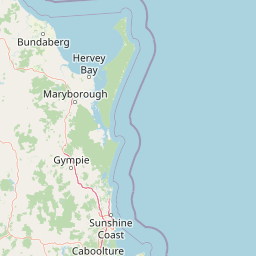
Map view of Goodnight Scrub National Park

Use this park location map to pinpoint Goodnight Scrub National Park in Australia, understand its exact geographic position, and read its mapped placement within the surrounding landscape more clearly.

Pigeon | © OpenStreetMap contributors

Location context for Goodnight Scrub National Park

Queensland
Park atlas

Explore the regional geography of Queensland's protected areas, comparing dry rainforests and other conservation landscapes.

Discover National Parks and Protected Areas Near Goodnight Scrub National Park
Explore a curated selection of national parks and protected areas situated near Goodnight Scrub National Park in Queensland, spanning diverse ecosystems like dry rainforests and the Burnett River catchment. This regional view provides essential geographic context, enabling deeper atlas-style discovery and comparison of conservation landscapes across South East Queensland.
National parkQueensland

Mount Walsh National Park: Mapped Granite Landscape and Protected Area in Queensland

Explore Queensland's unique volcanic terrain and regional park geography.

Mount Walsh National Park in Queensland, Australia, offers a compelling study in landscape contrasts, defined by its striking granite bluff and rugged topography. This protected area features dramatic exposed rock formations, steep forested slopes, and sheltered gullies, a direct result of ancient geological processes. The park's unique terrain, from bare granite summits to vegetated ridges, provides essential habitat and illustrates the intricate relationship between geology and ecology. For those interested in atlas-style geographic discovery, Mount Walsh National Park serves as a prime example of a distinctive Australian protected landscape.

Area
52.4 km²
Established
1947
IUCN
II
Relief
Mountain
National parkQueensland

Bulburin National Park: Central Queensland's Significant Subtropical Rainforest Preserve

Mapped protected landscape and ecological refuge.

Bulburin National Park represents the most substantial remaining area of subtropical rainforest in central Queensland, established as a protected national park. Its dense forest ecosystem provides crucial habitat for numerous species, including endangered marsupials and notable birdlife. Exploring Bulburin National Park reveals a distinct natural landscape within Queensland, offering insights into regional conservation and the geographic distribution of vital protected areas.

Established
2015
IUCN
II
National parkFraser Coast Region

Poona National Park: Coastal Wetland Refuge and Protected Landscape Exploration

Discover the mapped terrain and regional geography of this national park.

Poona National Park protects a critical coastal wetland ecosystem in Queensland's Fraser Coast Region, renowned for its role as a refuge for endangered trees and threatened animal species. The park's landscape is characterized by extensive marshy areas and coastal forests situated between river systems and the ocean. This undeveloped protected area provides essential habitat, highlighting the unique geographic context and conservation importance of these coastal environments within Australia.

Area
53.68 km²
Established
1991
IUCN
II
Relief
Lowland
National parkNorth Burnett Region

Auburn River National Park: A Protected Landscape Defined by River Gorge and Hardwood Forests

Explore the mapped terrain and protected area geography of this Queensland national park.

Auburn River National Park, designated a national park in Australia, showcases a remarkable protected landscape sculpted by the Auburn River. Its geography is characterized by a steep, dramatic river gorge and extensive hardwood forests, creating a visually striking and ecologically significant area. This park provides crucial insight into riparian ecosystems and their role within the regional geographic context of the North Burnett Region, inviting detailed exploration of its mapped terrain and conservation value.

Area
3.9 km²
Established
1964
IUCN
II
National parkQueensland

Cania Gorge National Park: A Distinct Queensland National Park with Dramatic Sandstone Cliff Formations

Explore mapped gorge terrain, rock art sites, and diverse Queensland landscapes.

Cania Gorge National Park represents a significant protected area within Queensland, Australia, distinguished by its dramatic 70-meter sandstone cliffs and the ancient Aboriginal rock art found within its caves. The park's rugged gorge terrain, shaped by Three Moon Creek, offers a unique geographic context and landscape to explore. Its mapped boundaries encompass diverse ecological communities and geological features, making it a focal point for understanding regional park identity and natural heritage within Queensland's broader atlas.

Area
30 km²
Established
1977
IUCN
II
National parkQueensland

Eurimbula National Park: Central Queensland's Diverse Coastal Protected Landscape

Explore mapped terrain and protected ecosystem boundaries.

Eurimbula National Park in Queensland is an exceptional example of a protected coastal wilderness, featuring a remarkable array of habitats including mangroves, littoral rainforests, and extensive paperbark wetlands. Its diverse landscape supports significant biodiversity and offers a clear representation of central Queensland's natural heritage. Understanding Eurimbula National Park's geography through its mapped protected area helps situate its ecological importance within the broader Australian atlas.

Area
125 km²
Established
1977
IUCN
II
National parkQueensland

Castle Tower National Park: Queensland National Park with Granite Peaks and Woodland

Mapped terrain and protected landscape in the Gladstone Region.

Castle Tower National Park in Queensland represents a significant protected natural area characterized by striking granite peak formations and expansive eucalypt woodlands. Established in 1932, the park's rugged terrain, including Mount Stanley, offers a unique geographic perspective within Central Queensland. This national park provides an opportunity to explore its mapped boundaries and distinctive landscape context, distinguishing it as a notable protected area in the Gladstone Region.

Area
49.8 km²
Established
1932
IUCN
II
National parkQueensland

Tewantin National Park: Queensland National Park with Volcanic Peaks and Coastal Rainforest

Explore its unique ecosystems and protected landscape boundaries.

Tewantin National Park is a key protected area in Queensland, recognized for its distinct landscape blending coastal rainforest, vibrant Wallum Heath, and the ancient volcanic dome of Mount Tinbeerwah. This national park provides essential conservation for endangered species, particularly amphibians and the swamp stringybark tree, serving as an important natural enclave within the Sunshine Coast region. Its mapped geography offers insight into the ecological significance of this protected landscape, contributing a vital piece to Australia's atlas of natural heritage.

Area
13 km²
IUCN
II
Relief
Mixed relief
Climate
Subtropical

Common questions about visiting, size, designation, and location context for Goodnight Scrub National Park

Goodnight Scrub National Park FAQs for park facts, access, geography, and protected area context
Find quick answers about Goodnight Scrub National Park, including protected-area facts, park geography, trail and visitor context, and how the park fits into its surrounding country and regional landscape.
MoriAtlas Explorer

Continue Your Protected Areas Search Across the Global Atlas

Deepen your exploration by continuing the structured search for national parks and protected areas worldwide. Utilize the comprehensive filtering capabilities to compare different conservation landscapes and refine your understanding of global park geography. Discover more about the distribution and characteristics of protected natural areas.

Global natural geography