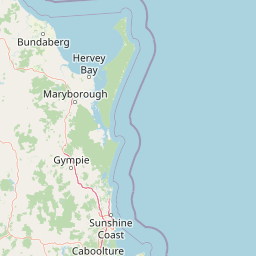

Why Kondalilla National Park stands out
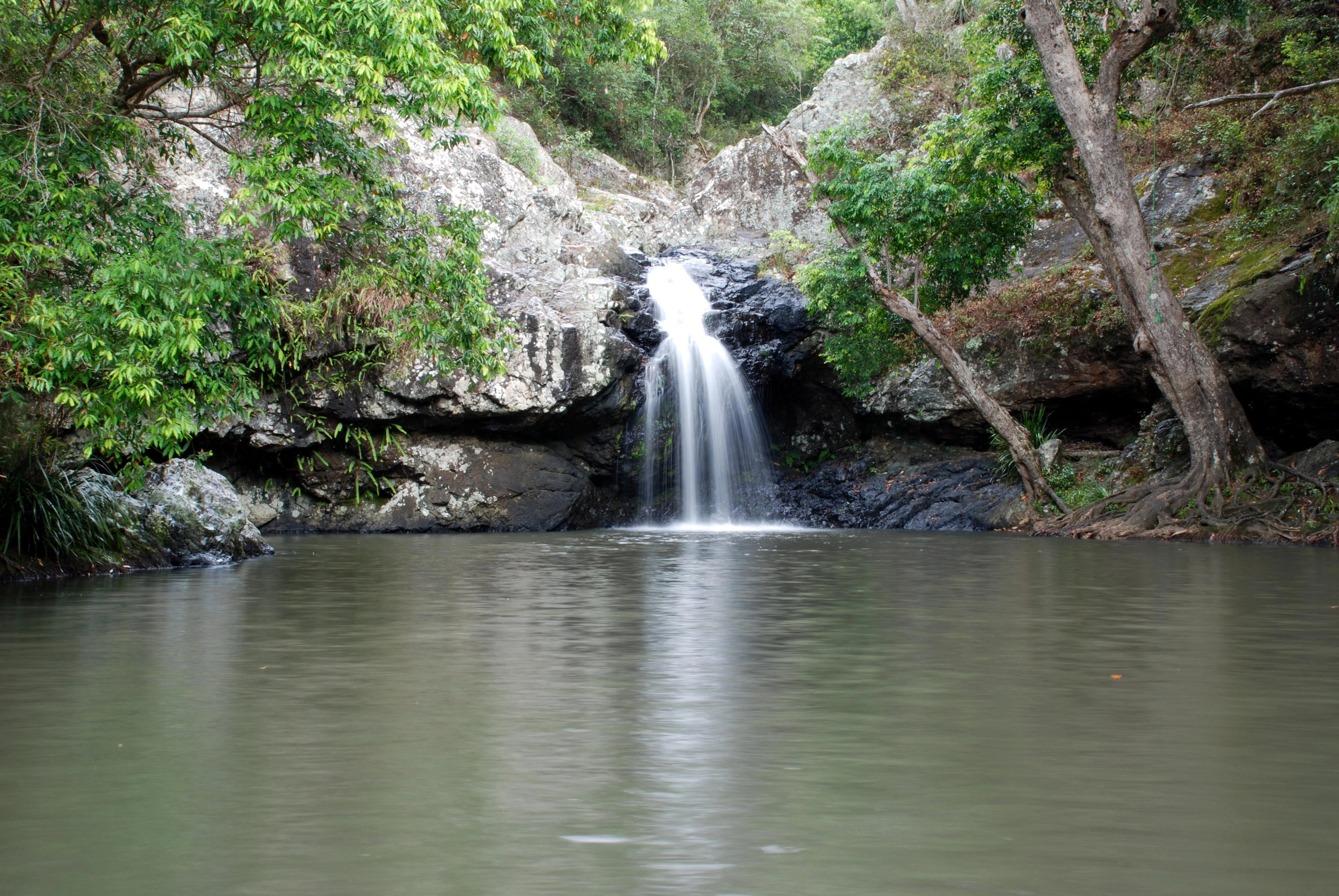
Kondalilla National Park is best known for its dramatic waterfalls, with Kondalilla Falls being the central attraction featuring a upper swimming hole accessible via walking tracks. The park protects one of the most significant remnant subtropical rainforest areas in South East Queensland, with the easternmost occurrence of bunya pines in Australia. The Picnic Creek circuit passes through historically logged areas where ring-barked trees remain visible, offering insight into the region's timber-getting past. The park forms part of the Sunshine Coast Hinterland Great Walk, a 58.8 kilometre trail connecting multiple protected areas in the region.
Kondalilla National Park history and protected-area timeline
The history of Kondalilla National Park reflects a transition from Aboriginal significance to European pastoral use and eventual conservation protection. For countless generations, the Blackall Range held profound spiritual significance for Aboriginal people throughout South East Queensland, particularly the Kabi Kabi and Wakka Wakka peoples. The abundant bunya pines that grew throughout the area produced large nut crops that sustained huge gatherings every three years during the Bonyee Festival, with many guests travelling great distances from coastal and inland regions to share food, songs, dances, and arrange marriages. From 1842 until 1860, the Blackall Range was declared a large reserve by Governor Gipps specifically to protect the bunya pine food source for Indigenous groups, making it illegal to settle or clear land where these trees occurred. After reserve status was rescinded, pastoralists and timber-getters arrived, with the 1880s seeing heavy logging of prized timbers including red cedar, white beech, bunya pine, blackbutt, and tallowwood. The forest around Kondalilla was significantly impacted by logging, with ring-barked trees still visible today along the Picnic Creek circuit. William Skene founded the area on his property while searching for lost cattle, originally naming it Bon Accord before transferring it to the Queensland Government, which renamed it Kondalilla in the 1950s. The area was first officially protected in 1906 as a recreational area and became a national park in 1945.
Kondalilla National Park landscape and geographic character
The landscape of Kondalilla National Park is characterised by its location on the Blackall Range, a prominent geological feature in South East Queensland that provides elevated terrain with scenic vistas and steep-sided valleys. The park encompasses subtropical rainforest ecosystems within its protected boundaries, with the terrain supporting cascading waterfalls that constitute one of the park's most significant attractions. The Picnic Creek circuit traverses areas that still bear evidence of historical logging operations, with ring-barked trees visible along the route. The topography includes both gentle sections near the picnic areas and more challenging terrain along the cliff edges of the circuit tracks. The park's landscape transitions between different forest types, incorporating both wetter rainforest elements and more open eucalypt communities. The presence of piccabeen palms, hoop pines, and casuarinas adds to the visual diversity of the park's vegetation-covered slopes.
Kondalilla National Park ecosystems, habitats, and plant life
Kondalilla National Park protects important remnants of subtropical rainforest that once covered much of the Blackall Range. The park contains diverse vegetation communities including stands of piccabeen palms, pink ash, hoop pines, and casuarinas, alongside extensive eucalypt forests and the remarkable stand of bunya pines that represents the most easterly occurrence of this species in Australia. The protected rainforest areas provide critical habitat connections in a landscape that has experienced extensive clearing for settlement and agriculture. The combination of elevation, moisture, and protection has allowed these rainforest remnants to persist, supporting biodiversity values that extend beyond the park's boundaries. The vulnerable plant species Macadamia ternifolia, also known as the Bopple Nut, grows within the park, highlighting its significance for conservation of rare flora.
Kondalilla National Park wildlife and species highlights
The park provides habitat for 107 bird species, making it an important area for avian biodiversity in the South East Queensland region. The subtropical rainforest and eucalypt forest environments support diverse bird communities throughout the year. The rare Pouched Frog occurs within the park, representing a significant herpetological presence in this protected area. The combination of forest types, from rainforest to eucalypt woodlands, creates varied habitat structures that support different wildlife communities. The presence of the vulnerable Bopple Nut (Macadamia ternifolia) within the park adds to its significance for conservation, as this species faces threats in its natural range.
Kondalilla National Park conservation status and protection priorities
Kondalilla National Park plays an important role in preserving remnants of the Blackall Range's natural communities in a region that has experienced extensive land clearing for agriculture and development. The protection of the most easterly stand of bunya pines in Australia represents a significant conservation achievement, as this species once dominated the forests of South East Queensland. The park preserves critical subtropical rainforest habitat that supports 107 bird species and the rare Pouched Frog, alongside the vulnerable Bopple Nut. The history of protection beginning in 1906 and expanding through subsequent decades reflects ongoing commitment to maintaining these forest remnants. The connection to Obi Obi National Park in 1988 and subsequent additions have created larger conservation blocks that provide better habitat connectivity and ecological resilience.
Kondalilla National Park cultural meaning and human context
Kondalilla National Park sits within a landscape of deep Aboriginal significance, particularly for the Kabi Kabi and Wakka Wakka peoples of South East Queensland. The Blackall Range traditionally supported large Aboriginal gatherings centred on the bunya pine nut crop, which peaked every three years and enabled the Bonyee Festival to bring together people from coastal and inland areas. A large grassy area near Baroon Pocket served as an important gathering place for these cultural celebrations involving food sharing, songs, dances, and social interactions including marriage arrangements. The park's name itself derives from an Aboriginal word meaning running water, reflecting the linguistic heritage of the region's traditional custodians. Following European settlement, the area experienced significant change through pastoral and timber-getting activities that altered the landscape, though some areas were eventually set aside for recreation and conservation.
Top sights and standout views in Kondalilla National Park
The Kondalilla Falls Circuit offers a 4.7 kilometre walking experience through the park's most scenic terrain, requiring approximately two hours to complete and passing close to cliff edges in places. The upper falls swimming hole provides a popular swimming destination accessible via shorter tracks from the main picnic area. The park forms part of the Sunshine Coast Hinterland Great Walk, a 58.8 kilometre trail that requires at least four days to complete and begins at Baroon Pocket Dam. The Picnic Creek Circuit at 1.7 kilometres provides a shorter walking option that passes through historically logged areas with visible ring-barked trees. The remnant subtropical rainforest and bunya pine stands represent significant ecological highlights that distinguish this park within the region.
Best time to visit Kondalilla National Park
The park can be visited year-round, though the subtropical climate of South East Queensland means that summer months bring warmer temperatures and more active waterfall flows following seasonal rains. The winter months typically offer cooler, more comfortable conditions for walking, though rainfall is generally lower. The quality of waterfall flows may vary with seasonal precipitation patterns. Visitors planning longer circuits such as the Kondalilla Falls Circuit should allow at least two hours and be prepared for sections where tracks run close to unfenced cliff edges. The park is most popular on weekends and during school holidays, so those seeking a quieter experience may prefer weekday visits.