Why Gurez National Park stands out
Gurez National Park is best known for its population of musk deer, the endangered ungulate species that inspired its original designation as Musk Deer National Park. The park protects one of the few remaining habitats for this shy and elusive animal in the Himalayas. Beyond musk deer, the valley is renowned for its spectacular mountain scenery, traditional Dard villages, and relative isolation that has preserved both natural and cultural heritage. The Kishenganga River, which flows through the valley, adds to the landscape's dramatic character.
Gurez National Park history and protected-area timeline
The precise establishment date of Gurez National Park as a formal protected area reflects broader conservation development in the Kashmir region during the latter decades of the twentieth century. The park was originally designated with a focus on musk deer protection, responding to serious declines in populations driven by demand for musk in traditional medicine and perfumery. Over time, the conservation framework evolved to encompass broader ecological protection goals. The valley's history extends far beyond its protected area status, with archaeological evidence suggesting human habitation dating back centuries. The Dard-speaking communities of Gurez maintain cultural connections to the land that predate modern conservation frameworks. Political developments affecting the Kashmir region have influenced access to the area and the evolution of management approaches.
Gurez National Park landscape and geographic character
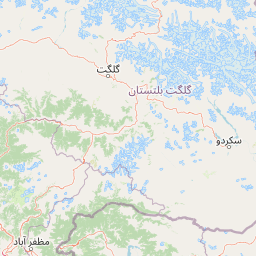
The Gurez Valley landscape is defined by its position within the greater Himalayan mountain system, featuring dramatic elevation changes, steep-sided valleys, and towering peaks that frame the valley floor. The Kishenganga River cuts through the valley, creating riparian corridors and meadows alongside its course. The terrain transitions from forested lower slopes to alpine meadows and eventually to rocky, barren terrain at higher elevations. During winter, heavy snowfall transforms the landscape dramatically, with the valley becoming effectively isolated until spring melt opens passes and routes. The combination of river valleys, mountain ridges, and open meadows creates a diverse visual landscape that characterizes this corner of the Himalayas.
Gurez National Park ecosystems, habitats, and plant life
The natural environment of Gurez National Park reflects the biodiversity patterns typical of the western Himalayan ecosystem. The vegetation follows altitudinal zones, with coniferous forests of pine and spruce giving way to birch and juniper at higher elevations before transitioning to alpine meadows. These habitats support a range of species adapted to the challenging climate and seasonal extremes. The park's conservation focus on musk deer highlights the species' ecological role within this environment, though the park also protects other fauna including various ungulates, small mammals, and bird species. The ecosystem represents a relatively intact example of Himalayan alpine ecology, though like many protected areas in the region, it faces pressures from climate change and human activity.
Gurez National Park wildlife and species highlights
The flagship species of Gurez National Park is the musk deer, a small ungulate known for the musk-producing gland that has made it a target of poaching despite legal protection across its range. Beyond musk deer, the park provides habitat for other notable mammals including ibex, markhor, and various smaller species adapted to the mountainous terrain. Birdlife includes species typical of Himalayan forests and alpine zones, with various thrushes, pheasants, and raptors present in appropriate habitats. The Kishenganga River system supports fish populations and provides aquatic habitat. The overall wildlife community reflects the ecological diversity of the western Himalayas, though comprehensive species inventories for this particular protected area remain limited in publicly available literature.
Gurez National Park conservation status and protection priorities
Gurez National Park represents an important conservation designation within the Himalayan region, providing legal protection to a fragile alpine ecosystem and its characteristic species. The park's focus on musk deer conservation addresses a species that remains vulnerable despite protective measures across its range. Conservation challenges in the region include poaching pressure, habitat fragmentation from development, and increasingly, climate change impacts on alpine ecosystems. The park also plays a role in protecting watershed values for the downstream Kishenganga catchment. Management approaches must balance conservation objectives with the traditional livelihood needs of local communities who depend on pastoral activities within and adjacent to the protected area.
Gurez National Park cultural meaning and human context
The Gurez Valley is home to the Dard people, an indigenous community with linguistic and cultural connections distinct from other populations in the Kashmir region. Traditional villages throughout the valley showcase local architectural styles and settlement patterns that reflect centuries of adaptation to the mountain environment. The Dard culture in Gurez represents one of the more isolated communities in the Himalayas, with traditions that have been less influenced by broader regional changes than populations in more accessible areas. Pastoral activities, particularly sheep and goat herding, have traditionally shaped land use patterns throughout the valley. The cultural landscape represents a dimension of significance that extends beyond purely ecological values, highlighting the deep connections between human communities and the Himalayan environment.
Top sights and standout views in Gurez National Park
The primary highlight of Gurez National Park is its population of endangered musk deer, found in relatively few protected areas across the Himalayas. The valley's dramatic mountain scenery and relatively untouched character offer a contrast to more heavily visited Himalayan destinations. The opportunity to experience the traditional Dard culture in its mountain setting adds a cultural dimension not found in more ecologically focused protected areas. Winter isolation creates a stark, different character that appeals to visitors seeking remote Himalayan landscapes away from crowds. The Kishenganga River corridor provides scenic value and supports the broader ecological character of the protected area.
Best time to visit Gurez National Park
The optimal period for visiting Gurez National Park spans from late spring through early autumn, roughly May through September, when weather conditions allow access to the valley. Summer months offer the most reliable access, with snow having melted from the main routes and temperatures suitable for trekking and exploration. The landscape during this period features alpine meadows in bloom and the valley at its most accessible. Winter access is severely limited by heavy snowfall that closes the valley for extended periods, essentially isolating Gurez from surrounding areas. Spring and autumn represent transitional periods with variable conditions. The timing of visits should account for the park's remote location and limited infrastructure, requiring careful planning regardless of season.