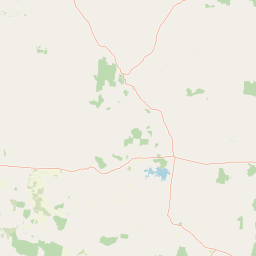
Why Humboldt National Park stands out
Humboldt National Park is best known for its wetland protection within the Brigalow Belt bioregion, a landscape that has been largely converted to agricultural use. The park preserves one of the remaining significant wetland systems in this bioregion, providing critical habitat for both fauna and flora in a region where such habitats have become increasingly rare. TheComet River catchment wetlands offer a glimpse of the original ecological character of this part of central Queensland, serving as refuge for species adapted to periodically inundated environments.
Humboldt National Park history and protected-area timeline
Humboldt National Park was established in 2009 as part of Queensland's ongoing efforts to expand its protected area network. The park was created to safeguard wetland habitats within the Brigalow Belt bioregion, an area that had experienced significant land clearing and modification. The Queensland Parks and Wildlife Service assumed management responsibility for the park, implementing protection measures for the wetland ecosystems and the biodiversity they support. The relatively recent establishment of the park reflects contemporary conservation priorities that recognize the importance of protecting remaining wetland systems in agricultural landscapes, where such habitats have become scarce and fragmented.
Humboldt National Park landscape and geographic character
The landscape of Humboldt National Park centers on wetland environments within the Comet River catchment. The Brigalow Belt bioregion features a mix of flat to gently undulating terrain with scattered elevation changes. The wetlands within the park consist of seasonally inundated areas, permanent water bodies, and surrounding terrestrial environments that transition from wet to drier conditions. The vegetation surrounding the wetlands includes remnants of the original brigalow woodland that once dominated the region, though much of the surrounding landscape has been cleared for agricultural purposes. This contrast between the protected wetland interior and the modified agricultural matrix surrounding the park boundary defines much of the park's visual character.
Humboldt National Park ecosystems, habitats, and plant life
The nature of Humboldt National Park is defined by its wetland ecosystems within the Brigalow Belt bioregion. The park supports a remarkable diversity of plant life with 278 species recorded within its boundaries, reflecting the varied habitats from open water through reed beds to woodland margins. The wetland environments provide critical ecological functions including water filtration, flood regulation, and carbon storage. The Brigalow Belt's subtropical climate supports a mix of species with both tropical and temperate affinities, and the protected wetlands serve as biodiversity reservoirs in a landscape where native vegetation has been extensively cleared. The park's habitats range from permanent water bodies to seasonal wetlands that fill and dry in response to rainfall patterns.
Humboldt National Park wildlife and species highlights
Humboldt National Park provides habitat for 148 animal species, making it an important refuge for wildlife in the Brigalow Belt region. The wetland environments support diverse fauna including waterbirds, amphibians, reptiles, and mammals adapted to moist habitats. The park's position within the Comet River catchment creates ecological connectivity to broader river systems, allowing species to move between habitats and maintaining genetic exchange between populations. The contrast between the protected wetland core and the surrounding agricultural landscape means the park serves as a critical refuge for species that cannot survive in modified environments, functioning as an island of natural habitat in a largely cleared landscape.
Humboldt National Park conservation status and protection priorities
Humboldt National Park represents important conservation outcomes for Queensland's Brigalow Belt bioregion, one of Australia's most heavily modified landscapes. By protecting remaining wetland habitats, the park contributes to the survival of species and ecological communities that would otherwise be vulnerable to ongoing habitat loss. The park's designation as an IUCN Category II protected area reflects its primary objective of preserving natural ecosystems. The Brigalow Belt has been identified as a region requiring targeted conservation attention due to the extent of clearing and the remaining ecological values in areas that have escaped development. Humboldt contributes to the portfolio of protected areas that collectively maintain biodiversity in this altered landscape.
Top sights and standout views in Humboldt National Park
The standout feature of Humboldt National Park is its role as a protected wetland in the Brigalow Belt, a bioregion where wetlands have become rare due to extensive agricultural development. The park protects 278 plant species and 148 animal species within its 76.60 square kilometers, demonstrating significant biodiversity relative to its area. The Comet River catchment wetlands represent ecological heritage from Queensland's pre-colonial landscape, offering insight into the original character of this region's ecosystems. For visitors, the park provides opportunities to experience wetland environments that are otherwise absent from the surrounding agricultural landscape.
Best time to visit Humboldt National Park
The best time to visit Humboldt National Park depends on seasonal conditions that affect wetland appearance and wildlife activity. Queensland's subtropical climate brings wet conditions during summer months, typically from November through March, when wetlands may be fuller and waterbird activity increases. The dry season from April through October generally offers more accessible conditions and clearer viewing opportunities, though some wetlands may be reduced. Wildlife viewing can be productive year-round, though the cooler dry season months often see increased activity as animals congregate around remaining water sources.