Why Innes National Park stands out
Innes National Park is best known for its spectacular coastal scenery, including towering cliff formations, pristine beaches, and the iconic Cape Spencer lighthouse. The park provides critical habitat for shorebirds and seabirds, with nesting colonies of albatrosses, gannets, and terns. The former designation as Dhilba Guuranda reflects the area's Aboriginal heritage and the deep connection between the landscape and Indigenous communities.
Innes National Park history and protected-area timeline
The land now comprising Innes National Park has a deep Aboriginal heritage, with the name Dhilba Guuranda reflecting the traditional connection of local Indigenous peoples to this coastline. European settlement of Yorke Peninsula in the nineteenth century brought agricultural development that transformed much of the peninsula, leaving the Innes area as one of the few remaining tracts of relatively intact coastal vegetation. The park was formally established to protect these remnants and the significant biodiversity they contain. Over time, the park has evolved from a more limited reserve to encompass additional coastal lands, recognizing the ecological connectivity between different parts of the peninsula's southern tip.
Innes National Park landscape and geographic character
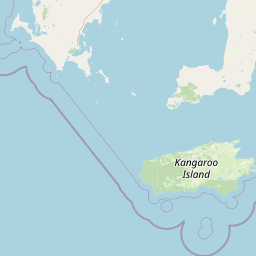
The park's landscape is defined by its position at the southern tip of Yorke Peninsula, where exposure to the Southern Ocean has carved a dramatic coastline of cliffs, headlands, and sandy coves. The terrain rises to modest elevations along the coastal rim, with the most prominent features being the series of headlands that project into the sea. Inland, the land slopes more gently, supporting heathland and woodland communities that contrast with the exposed coastal zone. The park encompasses both the western and eastern faces of the peninsula, giving visitors views across different aspects of the southern ocean.
Innes National Park ecosystems, habitats, and plant life
The vegetation of Innes National Park is dominated by coastal heath and mallee woodlands, communities that are characteristic of southern South Australia's Mediterranean climate region. These plant communities have evolved to withstand the park's exposure to salt-laden winds, periodic drought, and the nutrient-poor soils typical of the region's ancient landscapes. The heathlands support a remarkable diversity of wildflowers, with many species flowering in spring to take advantage of the seasonal moisture. The park's position along a major flyway for migratory seabirds adds an important dimension to its ecological significance.
Innes National Park wildlife and species highlights
Innes National Park provides habitat for a range of wildlife species, with the coastal areas being particularly important for seabirds that nest on the cliff faces and islands. The park supports colonies of several threatened bird species, making it significant for bird conservation in South Australia. The heathland and woodland areas provide shelter for mammals, reptiles, and invertebrates that have adapted to the park's conditions. The surrounding marine environment adds further biodiversity value, with coastal waters supporting seabirds that forage offshore.
Innes National Park conservation status and protection priorities
The protection of Innes National Park addresses several conservation priorities in South Australia, including the preservation of remaining coastal heath communities, the protection of seabird nesting habitat, and the maintenance of landscape connectivity along the peninsula. The park forms part of a network of protected areas that collectively help preserve the state's biodiversity. Recognition of the park's Aboriginal heritage, through the use of the name Dhilba Guuranda, reflects contemporary understanding of the importance of Indigenous cultural values in conservation planning.
Innes National Park cultural meaning and human context
The use of Dhilba Guuranda as an alternate name for the park acknowledges the Aboriginal history of the Yorke Peninsula and the traditional connection of Indigenous peoples to this coastline. The park protects a landscape that was significant to local Aboriginal communities long before European settlement transformed much of the peninsula. This cultural dimension adds depth to the park's identity and reflects broader movements in protected area management to incorporate Indigenous knowledge and perspectives.
Top sights and standout views in Innes National Park
The park's southern tip offers panoramic views across the Southern Ocean, with the Cape Spencer lighthouse standing as a landmark against the often wild coastal sky. The cliff-lined coast provides spectacular viewing opportunities for observing seabirds and, during the right season, whale migrations. The heathland walks offer a different perspective, with spring wildflower displays rewarding visitors who explore the inland tracks. The combination of coastal drama and intimate woodland trails makes the park a destination of lasting appeal.
Best time to visit Innes National Park
The optimal time to experience Innes National Park is during the cooler months of autumn and spring, when temperatures are comfortable for walking and the park's wildflowers are at their best. Spring brings the most spectacular floral displays, with the heathlands transformed by цветущие растения across the park. Summer can be hot and windy, though early morning walks offer a chance to see wildlife active before the heat of the day. Winter brings fewer visitors and a different character to the landscape, with the coast often dramatic under overcast skies.