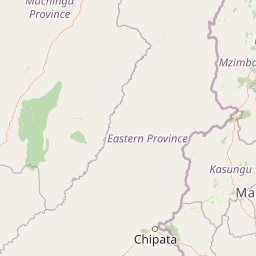
Why Kasungu National Park stands out
Kasungu National Park is best known for its substantial elephant population, which received a significant boost in 2022 when the International Fund for Animal Welfare relocated 263 additional elephants to the park. The park's Miombo woodland ecosystem and dambo grasslands support diverse wildlife including sable antelopes, roan antelopes, kudus, impala, hartebeest, plains zebras, and African buffaloes. Predators such as hyenas, Cape wild dogs, and servals also inhabit the area. The Lifupa Dam area is particularly notable for hippo populations and wildlife viewing. The park also supports important birdlife, with migration occurring during the summer months.
Kasungu National Park history and protected-area timeline
Kasungu National Park was established in 1970, marking it as one of Malawi's earlier protected areas created during a period of growing environmental awareness across Africa. The park was designated to protect the Miombo woodland ecosystem and the significant wildlife populations that inhabit this region of central Malawi. Over the decades, the park has faced challenges including poaching, which has particularly impacted the elephant population. In July 2022, the International Fund for Animal Welfare conducted a significant intervention, relocating 263 additional elephants to the park to bolster populations and reduce human-wildlife conflict in the surrounding area. This translocation involved compensation for communities in the 167 villages surrounding the park, addressing issues of crop damage and human fatalities caused by elephants. The park has also been recognized as a Lion Conservation Unit since 2005, reflecting its importance for large predator conservation in the region.
Kasungu National Park landscape and geographic character
The landscape of Kasungu National Park is characterized by the rolling terrain typical of the Miombo woodland ecosystem, featuring undulating hills covered in semi-deciduous forest and open grassy plains. The dambo grasslands represent a distinctive element of the park's terrain, consisting of seasonally wet grassy valleys that follow river channels and collect water during the rainy season. These dambos create a mosaic pattern across the woodland, providing open vistas and important grazing areas for herbivores. The rivers flowing through the park, particularly the Dwangwa, Lingadzi, and Lifupa, create more verdant riparian corridors with denser vegetation and pools that support hippos and waterbirds. The park sits at approximately 1,000 metres elevation, giving the landscape a relatively elevated character compared to lower-lying areas of Malawi. The overall terrain is neither mountainous nor flat, but consists of gently rolling terrain that provides scenic drives and varied habitats for wildlife.
Kasungu National Park ecosystems, habitats, and plant life
The ecological character of Kasungu National Park is defined by its Miombo woodland ecosystem, one of the most extensive forest types in southern Africa. This woodland is dominated by trees of the Brachystegia genus, which create a distinctive canopy that loses leaves during the dry season, allowing sunlight to reach the forest floor and support a layer of grasses and wildflowers. The dambo grasslands represent an important ecological complement to the woodland, providing seasonally wet habitats that support different plant and animal communities. These grassy areas are particularly important for grazing species and for water regulation within the park. The river systems, including the Lifupa and its tributary, create essential aquatic habitats that support hippos, crocodiles, and numerous waterbird species. The combination of woodland, grassland, and riparian habitats gives Kasungu a diverse ecological profile that supports a wide range of species. The park's location at a relatively elevated position in central Malawi also influences its climate and the types of vegetation it supports.
Kasungu National Park wildlife and species highlights
Kasungu National Park supports a diverse array of wildlife, with elephants being the most prominent large mammal species in the park. The park's elephant population has faced poaching pressure but has been reinforced through translocations, with 263 elephants added in 2022. Various antelope species thrive in the Miombo woodland and dambo habitats, including sable antelopes, roan antelopes, kudus, impala, and hartebeest. Plains zebras and African buffaloes also inhabit the park, forming migratory herds that move across the landscape in response to seasonal resource availability. The predator community includes hyenas, Cape wild dogs, and servals, while the South African cheetah was thought to have become extinct in the park by the late 1970s. The rivers and pools support hippo populations, particularly around the Lifupa area where the Lifupa Lodge provides opportunities for wildlife observation. The park is also important for birdlife, with migratory species arriving during the summer months and birdwatching being a popular activity between June and September.
Kasungu National Park conservation status and protection priorities
Kasungu National Park serves as an important conservation area within Malawi's protected area network. The park's designation as a Lion Conservation Unit since 2005 reflects its significance for maintaining viable populations of large predators in the region. The Miombo woodland ecosystem, while extensive across southern Africa, faces pressures from human encroachment and resource extraction, making protected areas like Kasungu critical for maintaining ecological processes and biodiversity. The elephant population, a flagship species for the park, has required active management including translocations to address both population decline from poaching and human-wildlife conflict in surrounding communities. The involvement of the International Fund for Animal Welfare in relocating elephants demonstrates ongoing conservation investment in the park. The surrounding region with 167 villages creates management challenges, as communities depend on land adjacent to the park and experience conflicts with wildlife, particularly elephants that cause crop damage and occasional human fatalities.
Kasungu National Park cultural meaning and human context
Kasungu National Park is situated in a region where local communities have historically interacted with the landscape that now falls within the park boundaries. The term "dambo" used to describe the grassy river channels is a local term reflecting indigenous knowledge of the landscape. The communities surrounding the park, numbering 167 villages, maintain agricultural activities that bring them into contact with park wildlife. These interactions have sometimes resulted in human-wildlife conflict, particularly involving elephants that venture into farmlands. Conservation initiatives have had to address these conflicts, with compensation programs established for communities affected by crop damage and human fatalities. The park's establishment in 1970 represented a formalization of protection over an area that local communities had long inhabited and used, creating ongoing considerations for balancing conservation objectives with community livelihoods.
Top sights and standout views in Kasungu National Park
Kasungu National Park offers visitors the opportunity to experience one of Malawi's largest and most ecologically significant protected areas. The elephant population, reinforced through recent translocations, provides excellent wildlife viewing opportunities, particularly around water sources where elephants come to drink. The Lifupa area with its dam and lodge serves as a focal point for park visits, offering views of hippos and diverse birdlife along the river. The Miombo woodland landscape, particularly beautiful during the dry season when the canopy opens, provides a distinctive African woodland experience different from the more famous savanna parks. Birdwatching is particularly rewarding during the migration season from June to September when numerous species arrive. The park's relative remoteness and lesser-known status compared to Malawi's other parks offers a more wilderness-oriented experience for visitors willing to make the journey north from Lilongwe.
Best time to visit Kasungu National Park
The best time to visit Kasungu National Park depends on what visitors hope to experience. The wet season typically closes the park during March, when heavy rains make many roads impassable and wildlife viewing becomes more difficult. The warm season from September to May offers easier access, though the heat can be intense. The cooler period from June to August provides more comfortable temperatures for game drives and wildlife viewing. Birdwatching peaks between June and September when migratory species arrive in large numbers, making this period particularly rewarding for ornithologists. The dry season generally offers better wildlife viewing as animals concentrate around remaining water sources, though the landscape is less verdant. Visitors should be aware that the park's seasonality can vary year to year, and checking current conditions before planning a trip is advisable.