
Mori Atlas logo
National parkKasungu National Park

Map Kasungu's Miombo woodlands, river ecosystems, and vast protected boundaries.

Kasungu National Park: Central Malawi's Protected Landscape and Geographic Atlas

Kasungu National Park stands as a significant protected area within Malawi's Central Region, covering approximately 2,316 square kilometres. Established in 1970, this national park showcases a unique landscape of rolling Miombo woodlands interspersed with seasonal dambo grasslands, dissected by key river systems like the Dwangwa and Lifupa. Situated near the Zambian border and approximately 175 kilometres north of Lilongwe, Kasungu offers a distinct geographic context for understanding protected lands in Central Malawi, supporting diverse wildlife and critical conservation efforts.

Miombo woodlandElephant habitatWildlife conservationCentral Region MalawiDambo grasslandsRiver ecosystems

Kasungu National Park

National park

Park overview

Structured park overview, official facts, and landscape profile for Kasungu National Park

Kasungu National Park park facts, protected area profile, and essential visitor context
Review the core facts for Kasungu National Park, including designation, size, terrain, visitor scale, habitats, and operating context in one park-focused overview.

About Kasungu National Park

Kasungu National Park represents one of Malawi's most significant protected areas, serving as a critical sanctuary for wildlife in the central African region. The park's location along the Zambian border places it at an ecological crossroads, with the Miombo woodland ecosystem extending across much of its terrain. This woodland habitat, characterized by semi-deciduous trees of the Brachystegia genus, creates a distinctive landscape of canopy-covered slopes and open grassy valleys. The dambo grasslands, the local term for seasonally flooded grassy channels, add further ecological diversity to the park's character. Several rivers including the Dwangwa, Lingadzi, and Lifupa traverse the park, providing essential water sources for wildlife and creating riparian corridors that support distinct vegetation communities. The park's elevation of approximately 1,000 metres above sea level contributes to a relatively mild climate compared to lower-lying areas of Malawi. As the second-largest national park in the country, Kasungu plays a vital role in Malawi's conservation strategy and provides habitat for populations of elephants, various antelope species, and predators including hyenas and Cape wild dogs.

Quick facts and research context for Kasungu National Park

Kasungu National Park spans 2,316 km² in Malawi's Central Region, positioned approximately 165 km north of Lilongwe along the Zambian border. Established in 1970, it is Malawi's second-largest national park with an average elevation of around 1,000 metres. The park features Miombo woodland ecosystem with dambo grasslands and is bisected by rivers including the Dwangwa, Lingadzi, and Lifupa. The park is known for its elephant population, though poaching remains a threat, and it serves as a Lion Conservation Unit since 2005.

Park context

Deeper park guide and search-rich context for Kasungu National Park

Kasungu National Park history, landscape, wildlife, and travel context
Explore Kasungu National Park through its history, landscape character, ecosystems, wildlife, conservation priorities, cultural context, and seasonal travel timing in a structured park guide built for atlas discovery and search intent.

Why Kasungu National Park stands out

Kasungu National Park is best known for its substantial elephant population, which received a significant boost in 2022 when the International Fund for Animal Welfare relocated 263 additional elephants to the park. The park's Miombo woodland ecosystem and dambo grasslands support diverse wildlife including sable antelopes, roan antelopes, kudus, impala, hartebeest, plains zebras, and African buffaloes. Predators such as hyenas, Cape wild dogs, and servals also inhabit the area. The Lifupa Dam area is particularly notable for hippo populations and wildlife viewing. The park also supports important birdlife, with migration occurring during the summer months.

Kasungu National Park history and protected-area timeline

Kasungu National Park was established in 1970, marking it as one of Malawi's earlier protected areas created during a period of growing environmental awareness across Africa. The park was designated to protect the Miombo woodland ecosystem and the significant wildlife populations that inhabit this region of central Malawi. Over the decades, the park has faced challenges including poaching, which has particularly impacted the elephant population. In July 2022, the International Fund for Animal Welfare conducted a significant intervention, relocating 263 additional elephants to the park to bolster populations and reduce human-wildlife conflict in the surrounding area. This translocation involved compensation for communities in the 167 villages surrounding the park, addressing issues of crop damage and human fatalities caused by elephants. The park has also been recognized as a Lion Conservation Unit since 2005, reflecting its importance for large predator conservation in the region.

Kasungu National Park landscape and geographic character

The landscape of Kasungu National Park is characterized by the rolling terrain typical of the Miombo woodland ecosystem, featuring undulating hills covered in semi-deciduous forest and open grassy plains. The dambo grasslands represent a distinctive element of the park's terrain, consisting of seasonally wet grassy valleys that follow river channels and collect water during the rainy season. These dambos create a mosaic pattern across the woodland, providing open vistas and important grazing areas for herbivores. The rivers flowing through the park, particularly the Dwangwa, Lingadzi, and Lifupa, create more verdant riparian corridors with denser vegetation and pools that support hippos and waterbirds. The park sits at approximately 1,000 metres elevation, giving the landscape a relatively elevated character compared to lower-lying areas of Malawi. The overall terrain is neither mountainous nor flat, but consists of gently rolling terrain that provides scenic drives and varied habitats for wildlife.

Kasungu National Park ecosystems, habitats, and plant life

The ecological character of Kasungu National Park is defined by its Miombo woodland ecosystem, one of the most extensive forest types in southern Africa. This woodland is dominated by trees of the Brachystegia genus, which create a distinctive canopy that loses leaves during the dry season, allowing sunlight to reach the forest floor and support a layer of grasses and wildflowers. The dambo grasslands represent an important ecological complement to the woodland, providing seasonally wet habitats that support different plant and animal communities. These grassy areas are particularly important for grazing species and for water regulation within the park. The river systems, including the Lifupa and its tributary, create essential aquatic habitats that support hippos, crocodiles, and numerous waterbird species. The combination of woodland, grassland, and riparian habitats gives Kasungu a diverse ecological profile that supports a wide range of species. The park's location at a relatively elevated position in central Malawi also influences its climate and the types of vegetation it supports.

Kasungu National Park wildlife and species highlights

Kasungu National Park supports a diverse array of wildlife, with elephants being the most prominent large mammal species in the park. The park's elephant population has faced poaching pressure but has been reinforced through translocations, with 263 elephants added in 2022. Various antelope species thrive in the Miombo woodland and dambo habitats, including sable antelopes, roan antelopes, kudus, impala, and hartebeest. Plains zebras and African buffaloes also inhabit the park, forming migratory herds that move across the landscape in response to seasonal resource availability. The predator community includes hyenas, Cape wild dogs, and servals, while the South African cheetah was thought to have become extinct in the park by the late 1970s. The rivers and pools support hippo populations, particularly around the Lifupa area where the Lifupa Lodge provides opportunities for wildlife observation. The park is also important for birdlife, with migratory species arriving during the summer months and birdwatching being a popular activity between June and September.

Kasungu National Park conservation status and protection priorities

Kasungu National Park serves as an important conservation area within Malawi's protected area network. The park's designation as a Lion Conservation Unit since 2005 reflects its significance for maintaining viable populations of large predators in the region. The Miombo woodland ecosystem, while extensive across southern Africa, faces pressures from human encroachment and resource extraction, making protected areas like Kasungu critical for maintaining ecological processes and biodiversity. The elephant population, a flagship species for the park, has required active management including translocations to address both population decline from poaching and human-wildlife conflict in surrounding communities. The involvement of the International Fund for Animal Welfare in relocating elephants demonstrates ongoing conservation investment in the park. The surrounding region with 167 villages creates management challenges, as communities depend on land adjacent to the park and experience conflicts with wildlife, particularly elephants that cause crop damage and occasional human fatalities.

Kasungu National Park cultural meaning and human context

Kasungu National Park is situated in a region where local communities have historically interacted with the landscape that now falls within the park boundaries. The term "dambo" used to describe the grassy river channels is a local term reflecting indigenous knowledge of the landscape. The communities surrounding the park, numbering 167 villages, maintain agricultural activities that bring them into contact with park wildlife. These interactions have sometimes resulted in human-wildlife conflict, particularly involving elephants that venture into farmlands. Conservation initiatives have had to address these conflicts, with compensation programs established for communities affected by crop damage and human fatalities. The park's establishment in 1970 represented a formalization of protection over an area that local communities had long inhabited and used, creating ongoing considerations for balancing conservation objectives with community livelihoods.

Top sights and standout views in Kasungu National Park

Kasungu National Park offers visitors the opportunity to experience one of Malawi's largest and most ecologically significant protected areas. The elephant population, reinforced through recent translocations, provides excellent wildlife viewing opportunities, particularly around water sources where elephants come to drink. The Lifupa area with its dam and lodge serves as a focal point for park visits, offering views of hippos and diverse birdlife along the river. The Miombo woodland landscape, particularly beautiful during the dry season when the canopy opens, provides a distinctive African woodland experience different from the more famous savanna parks. Birdwatching is particularly rewarding during the migration season from June to September when numerous species arrive. The park's relative remoteness and lesser-known status compared to Malawi's other parks offers a more wilderness-oriented experience for visitors willing to make the journey north from Lilongwe.

Best time to visit Kasungu National Park

The best time to visit Kasungu National Park depends on what visitors hope to experience. The wet season typically closes the park during March, when heavy rains make many roads impassable and wildlife viewing becomes more difficult. The warm season from September to May offers easier access, though the heat can be intense. The cooler period from June to August provides more comfortable temperatures for game drives and wildlife viewing. Birdwatching peaks between June and September when migratory species arrive in large numbers, making this period particularly rewarding for ornithologists. The dry season generally offers better wildlife viewing as animals concentrate around remaining water sources, though the landscape is less verdant. Visitors should be aware that the park's seasonality can vary year to year, and checking current conditions before planning a trip is advisable.

Park location guide

Geography guide, regional context, and park location map for Kasungu National Park

Kasungu National Park park geography, regions, and map view in Malawi
Understand where Kasungu National Park sits in Malawi through a broader geographic reading of the surrounding landscape, nearby location context, and its mapped position within the national park landscape.

How Kasungu National Park fits into Malawi

Malawi is a landlocked country in Southeastern Africa. Formerly known as Nyasaland under British colonial rule, it gained independence in 1964 and became a multi-party democracy in 1994. The country is known for Lake Malawi, which comprises about one-fifth of its territory, and is governed as a unitary presidential republic with Lilongwe as its capital.

Wider geography shaping Kasungu National Park in Malawi

Malawi is located in Southeastern Africa within the Great Rift Valley. It is bordered by Zambia to the west, Tanzania to the north and northeast, and Mozambique to the east, south, and southwest. The country features highlands and plateaus in the northern and central areas, with the Great Rift Valley system running through the territory.

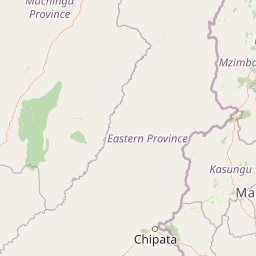
Map view of Kasungu National Park

Use this park location map to pinpoint Kasungu National Park in Malawi, understand its exact geographic position, and read its mapped placement within the surrounding landscape more clearly.

Pigeon | © OpenStreetMap contributors
Park atlas

Compare diverse conservation landscapes, Miombo woodlands, and elephant habitats within Malawi's central and border regions.

Explore Other National Parks and Protected Areas Near Kasungu National Park
After exploring the Miombo woodlands and dambo grasslands of Kasungu National Park, trace the geographic spread of other protected areas, national parks, and wildlife conservation landscapes in Malawi's Central Region. Compare regional terrain, river ecosystems, and key elephant habitats to understand the broader network of protected zones and their distinct conservation profiles.
National parkZambia

Lukusuzi National Park: Zambia's Protected National Park Geographic Context

Mapped protected area and regional landscape identity for Lukusuzi.

Gain detailed insights into Lukusuzi National Park, a key protected area in Zambia, through its geographic setting and mapped boundaries. This page provides essential context for understanding the park's landscape character and its significance within the national park atlas. Explore the fundamental protected-area geography of this distinct Zambian natural landscape.

IUCN
II
Access
Access unknown
Scope
Terrestrial
National parkZambia

Luambe National Park: Detailed Geographic and Protected Area Atlas Information

Mapped landscape context within Zambia's natural regions.

This section provides an in-depth look at Luambe National Park, detailing its role as a protected area within the diverse geography of Zambia. Users can explore its mapped boundaries and understand its significance within the country's atlas of natural landscapes. The focus is on providing a concrete geographic perspective, essential for understanding how this national park fits into the regional conservation and landscape context of southern Africa.

Area
300 km²
IUCN
II
Relief
Upland
Climate
Tropical
National parkMuchinga Province

North Luangwa National Park: National Park Protected Landscape and Regional Geography

Mapped boundaries and geographic context within Muchinga Province.

North Luangwa National Park is a designated national park offering critical insights into Zambia's protected landscapes. This page provides an atlas-driven view of its geographic scope, emphasizing its mapped boundaries and its position within Muchinga Province. Explore the fundamental geography and protected area context that defines North Luangwa National Park for structured landscape discovery.

Area
4,636 km²
Established
1972
IUCN
II
Relief
Mixed relief
National parkZambia

South Luangwa National Park: Zambia's National Park Geographic Atlas and Protected Landscape

Explore mapped boundaries and regional context within this Zambian protected area.

South Luangwa National Park represents a vital national park within Zambia, offering a distinct focal point for atlas-based geographic exploration. This dedicated entry details the park's mapped area and its integration into the surrounding Zambian geography. Users seeking to understand protected landscapes, regional park distributions, and natural terrain context will find South Luangwa National Park a key reference for detailed mapping and landscape analysis.

Area
9,050 km²
Established
1972
IUCN
II
Relief
Mixed relief
National parkMalawi

Lake Malawi National Park: UNESCO Protected Landscape and Endemic Fish Habitat

Discover mapped terrain, island geography, and evolutionary wonders.

Lake Malawi National Park offers unparalleled insight into freshwater biodiversity and landscape dynamics within Malawi's Great Rift Valley. As a UNESCO World Heritage Site, it is celebrated for its spectacular evolutionary radiation of cichlid fish, a phenomenon studied globally. The park's protected territory includes the mountainous Nankumbu Peninsula and thirteen islands, providing a rich context for understanding the interplay between aquatic ecosystems, terrestrial terrain, and unique island geography.

Area
94 km²
Established
1980
IUCN
II
Relief
Mountain
National parkMuchinga Province

Lavushi Manda National Park: Zambian National Park with Mapped Protected Boundaries

Discover its regional geography and landscape context.

Lavushi Manda National Park represents a distinct protected landscape within Muchinga Province, Zambia. This page provides detailed insights into its geographic identity, mapped park boundaries, and its placement within the broader regional terrain. Utilize this resource for structured atlas exploration of the park's natural context and its significance as a conservation area, offering a foundation for understanding its environmental setting.

Area
1,500 km²
Established
1972
IUCN
II
Relief
Mixed relief
National parkMalawi

Nyika National Park: Malawi National Park Atlas Exploration and Protected Landscape

Discover geographic context and mapped boundaries of this protected area.

Nyika National Park serves as a core entry for understanding Malawi's protected areas and natural landscapes through an atlas lens. Explore the park's designation as a national park, its geographic positioning within Malawi, and the mapped context that defines its protected status. This detail page provides a foundational view for appreciating the park's landscape and its contribution to the regional protected lands overview.

Area
3,134 km²
Established
1966
IUCN
II
Relief
Highland
National parkSouthern Region

Liwonde National Park: National Park in Malawi's Southern Region

Mapped Protected Area Boundaries and Geographic Context

Liwonde National Park is a designated national park situated in Malawi's Southern Region. This entry provides detailed geographic information, focusing on the park's mapped boundaries and its role within the broader atlas of protected landscapes. Explore the unique regional geography and conservation context that defines this protected area.

Area
548 km²
Established
1973
Relief
Upland
Climate
Tropical

Common questions about visiting, size, designation, and location context for Kasungu National Park

Kasungu National Park FAQs for park facts, access, geography, and protected area context
Find quick answers about Kasungu National Park, including protected-area facts, park geography, trail and visitor context, and how the park fits into its surrounding country and regional landscape.
MoriAtlas Explorer

Continue Your Protected Areas Search Across the Global Atlas

Deepen your exploration by continuing the structured search for national parks and protected areas worldwide. Utilize the comprehensive filtering capabilities to compare different conservation landscapes and refine your understanding of global park geography. Discover more about the distribution and characteristics of protected natural areas.

Global natural geography