
Why Kidepo Valley National Park stands out
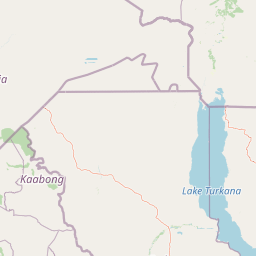
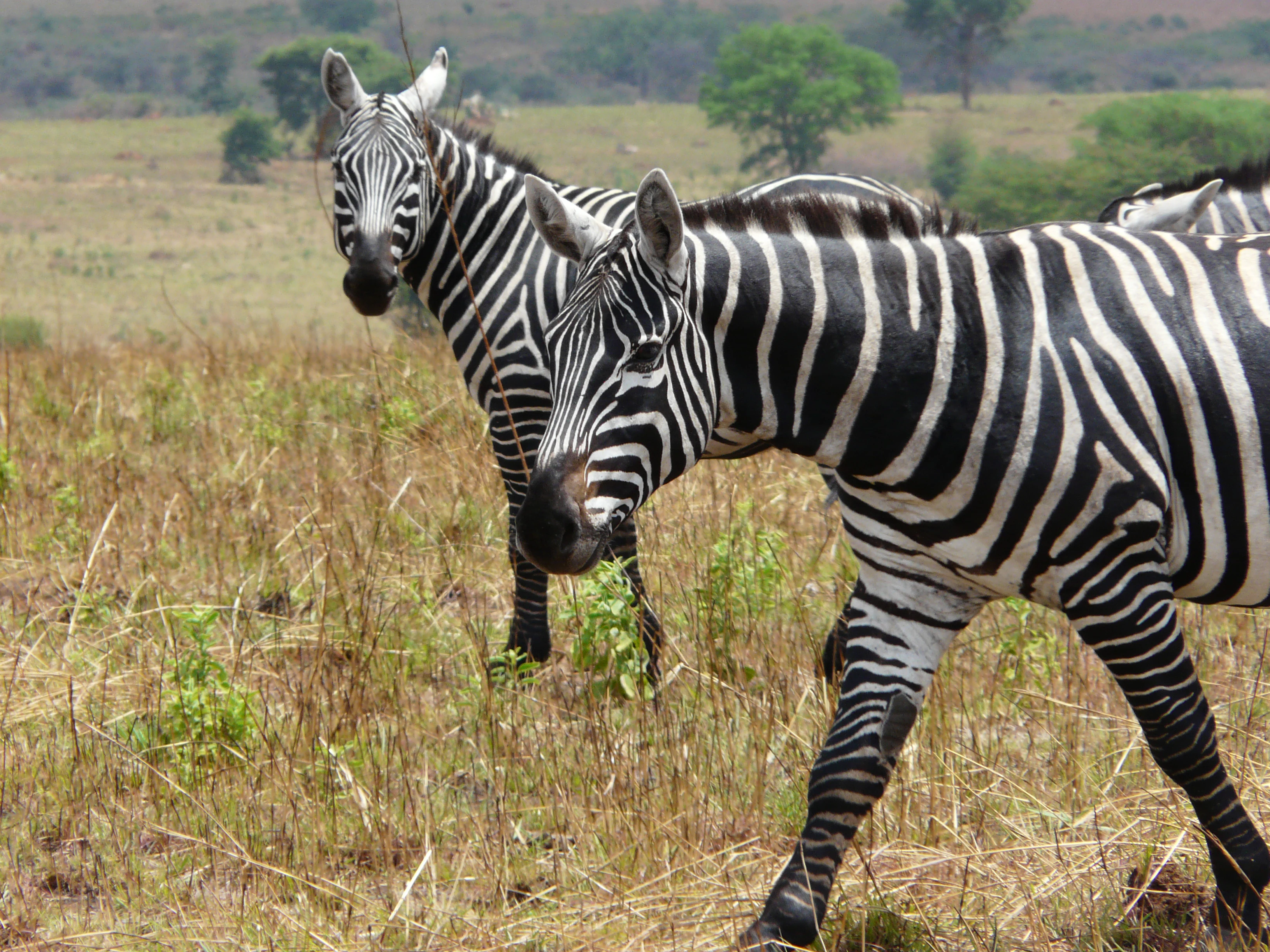
Kidepo Valley National Park is best known for its remarkable population of maneless zebras, a distinctive form of plains zebra that inhabits the savanna grasslands. The park is also celebrated for its elephant herds, which have recovered from near extinction in the early 1900s through effective anti-poaching efforts, with populations now estimated between 407 and 552 individuals. The Narus Valley supports dense concentrations of wildlife around the permanent water sources, while the more remote Kidepo Valley offers opportunities to see species adapted to drier conditions. The park's dramatic landscape of granite kopjes, particularly the Katurum kopje which hosted an abandoned luxury lodge project from the 1960s, adds to its distinctive character. The successful reintroduction of Rothschild giraffes, which had been poached to near extinction by the 1990s, has been a notable conservation achievement, with the population growing from just three individuals in 1992 to approximately 89 by 2022.
Kidepo Valley National Park history and protected-area timeline
The history of Kidepo Valley National Park is deeply intertwined with the displacement of its original inhabitants, the Ik and Ketebo peoples who had lived in the area since approximately 1800. The British colonial government gazetted the area as a game reserve in 1958, forcibly evicting the resident communities in what has been cited as an example of the problematic approach to protected area establishment that failed to consider community needs. The stated purposes of creating the reserve were wildlife conservation, specifically protecting animals from hunting, and preventing bush clearing for tsetse fly control. The relocation contributed to famine and hardship among the displaced communities, a history that has been documented by anthropologist Colin Turnbull and acknowledged by park management as a cautionary tale in conservation planning. Following Uganda's independence, President Milton Obote's government converted the reserve into Kidepo Valley National Park in 1962. In 1967, construction began on a luxury lodge at Katurum kopje with Swedish support, intended to be a 56-room facility, but the project was never completed and the site had been abandoned and vandalized by 1978. The lodge was revived and finally opened with 100 rooms in 2019. The park's management transition from British to Ugandan leadership occurred in 1972 when Ian Ross, the last British chief warden, handed over to Paul Ssali, an event that became the subject of the American documentary film 'The Wild and the Brave' in 1974.
Kidepo Valley National Park landscape and geographic character
The physical landscape of Kidepo Valley National Park is characterized by two major valley systems, the Kidepo Valley and the Narus Valley, which form the core of the park's geography. The valley floors lie at elevations between 3,000 and 4,000 feet above mean sea level, creating a relatively flat terrain punctuated by dramatic granite kopjes that rise abruptly from the plains. The most notable of these is Katurum kopje, an isolated inselberg that has served as a landmark and previous site of lodge development. The park is transected by the Kidepo River and Narus River, though these are seasonal in nature, with the Narus generally holding water longer than the Kidepo. In the extreme north of the park near the South Sudanese border lies Kanangorok hot spring, a tepid spring that represents the most permanent water source in the entire protected area. The soils throughout the park are predominantly clay-based, with the Kidepo Valley characterized by black chalky clay and sandy-clay loam, while the Narus Valley features freer-draining red clays and loams. This soil variation contributes to the different vegetation patterns observed between the two valleys and influences wildlife distribution across the park.
Kidepo Valley National Park ecosystems, habitats, and plant life
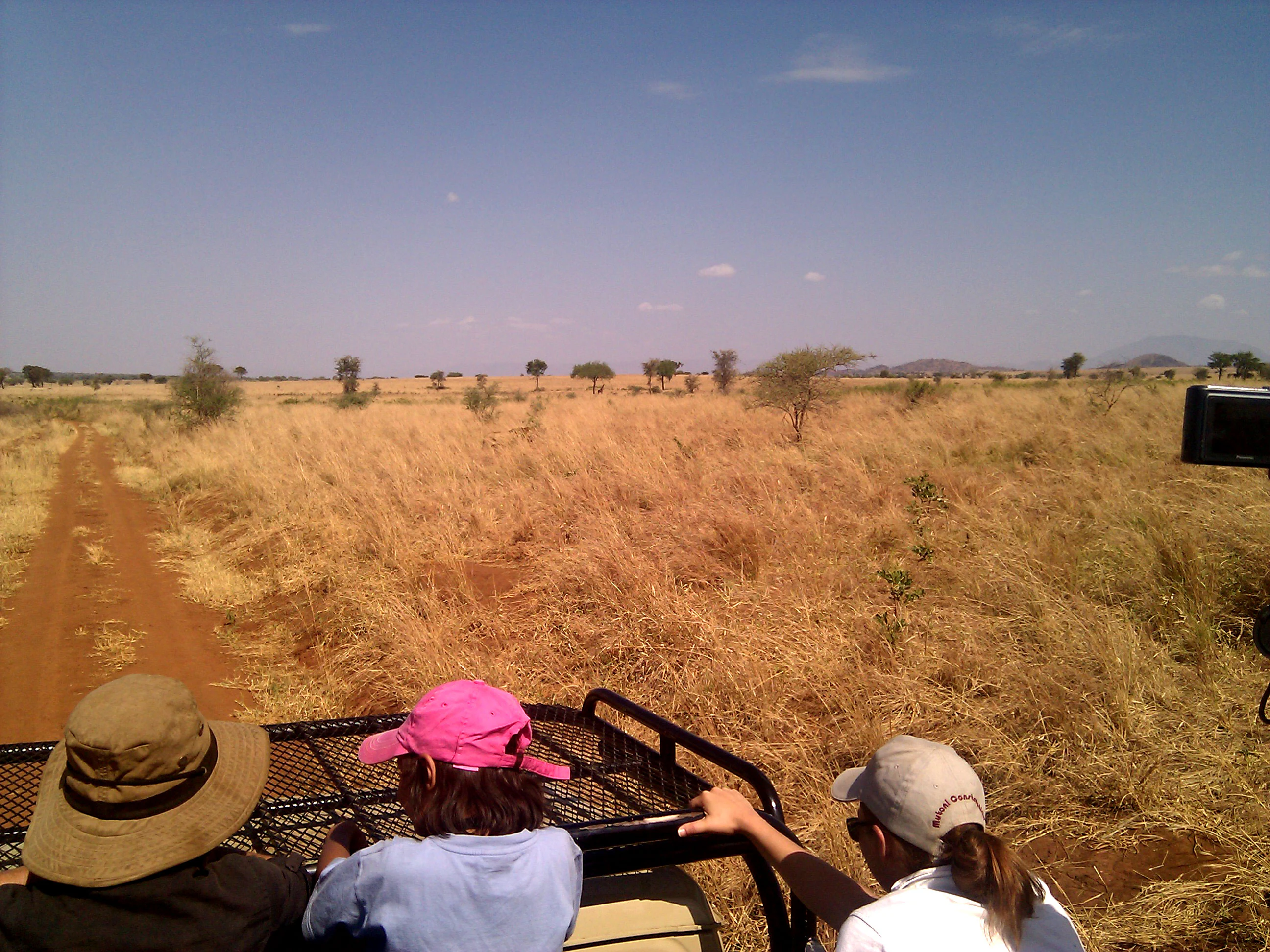
The ecological character of Kidepo Valley National Park is defined by open tree savanna that differs markedly between its two primary valleys due to variations in rainfall and soil conditions. The Narus Valley, receiving approximately 89 centimeters of rain annually, supports taller grasses including Guinea grass and fine thatching grass, with common trees such as red thorn acacias, desert date trees, and sausage trees lining the watercourses. The drier Kidepo Valley, with annual rainfall around 64 centimeters, features more open savanna with palm groves along stream beds and whistling thorn acacia dominating higher elevations. The differential rainfall creates a mosaic of habitats that supports diverse wildlife populations and explains why the Narus Valley typically supports higher concentrations of animals, particularly during the dry season when water becomes scarce in the Kidepo Valley. The park's position at the transition between different ecological zones contributes to its species diversity, with elements from both highland and lowland communities present.
Kidepo Valley National Park wildlife and species highlights
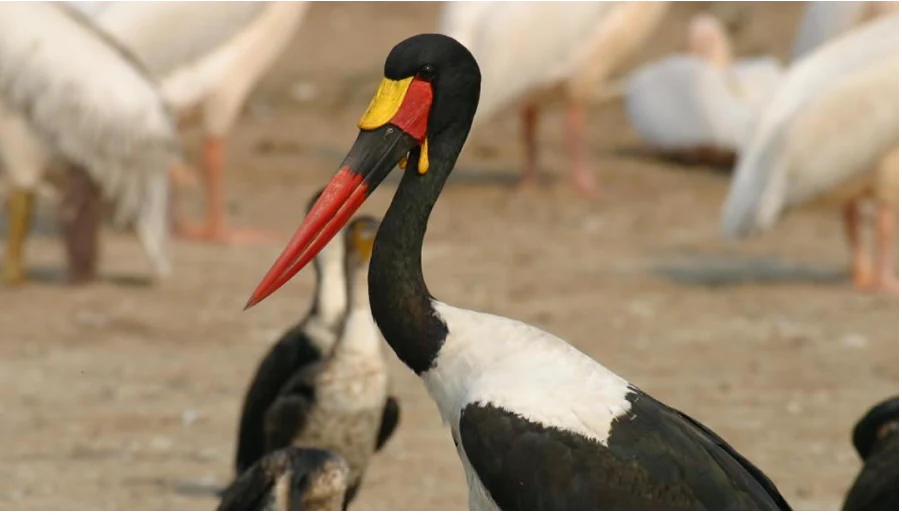
Kidepo Valley National Park hosts impressive biodiversity with over 77 mammal species and 476 bird species recorded within its boundaries. The park is particularly known for its population of maneless zebras, a distinctive form of the plains zebra adapted to the savanna environment. Elephant populations have recovered significantly from the near-extermination they suffered in the early 20th century when unchecked hunting for ivory nearly wiped out the species in the region. By 2003, the population had recovered to approximately 400 individuals, and current estimates range from 407 to 552. The Rothschild giraffe population represents one of the most dramatic conservation stories in the park, having been reduced to just three animals by 1992 after intensive poaching in the 1960s and 1970s. A translocation program from Kenya's Lake Nakuru National Park and later from Murchison Falls National Park has successfully rebuilt the population to approximately 89 individuals by 2022. The Narus Valley supports particularly dense wildlife concentrations around its permanent water sources, with buffalo, waterbuck, and various antelope species commonly observed. The drier Kidepo Valley, while less accessible and historically subject to more poaching, offers opportunities to see species adapted to more arid conditions.
Kidepo Valley National Park conservation status and protection priorities
Kidepo Valley National Park represents significant conservation value in East Africa, protecting a relatively intact savanna ecosystem in a region that has faced considerable human pressure. The park's conservation history reflects both challenges and achievements. The early establishment as a game reserve in 1958 led to the displacement of local communities, a practice now recognized as problematic, but also initiated protection that allowed wildlife populations to recover from the decimation of the early 20th century. Elephant populations, driven to extinction locally by 1900, have recovered through sustained anti-poaching efforts, demonstrating the potential for ecosystem recovery with adequate protection. The giraffe reintroduction program stands as a particularly successful conservation intervention, with the population growing from just three individuals to nearly 90 through carefully planned translocations and habitat management. The park faces ongoing challenges including poaching pressure, particularly in the more remote Kidepo Valley, and the need to balance conservation with the welfare of surrounding communities. Current efforts include translocations of additional species including kob from other Ugandan protected areas and plans to reintroduce southern white rhinos, which were last seen in the park in 1983 after being poached to extinction.
Kidepo Valley National Park cultural meaning and human context
The cultural context of Kidepo Valley National Park is marked by the painful history of the displacement of its original inhabitants, the Ik and Ketebo peoples who had inhabited the region since approximately 1800. The forced eviction of these communities in 1958 to establish the game reserve represents a colonial approach to conservation that prioritized wildlife protection over human rights, a pattern common across Africa during the colonial era. The Ketebo, also known as the Mening or Amening clan, gave the Narus Valley its name, and the landscape holds cultural significance for these communities even though they no longer reside within the park boundaries. The Karamoja region as a whole is known for its distinct cultural traditions, including pastoralist lifestyles that have shaped the broader landscape over centuries. The park's location near the border with South Sudan places it in a region that has experienced security challenges, with the Northwestern boundary adjacent to South Sudan's Kidepo Game Reserve. Understanding this human context is essential for meaningful conservation planning that considers both ecological and social dimensions.
Top sights and standout views in Kidepo Valley National Park
The highlights of Kidepo Valley National Park center on its remote wilderness character and distinctive wildlife viewing opportunities in a landscape that feels far removed from more developed safari destinations. The Narus Valley offers the most reliable wildlife viewing, with permanent water sources attracting dense concentrations of elephants, buffalo, and various antelope species. The maneless zebras of Kidepo represent a unique variant of plains zebra not commonly seen in other East African parks. The dramatic granite kopjes scattered across the savanna provide scenic variety and excellent vantage points for landscape photography. The successful recovery of wildlife populations from historical lows, particularly the giraffe reintroduction success story, demonstrates the park's conservation value. The park's relative isolation means fewer visitors than other Ugandan parks, creating a more intimate safari experience. The Katurum kopje with its revived lodge development offers a unique historical element to the park visit. The Kanangorok hot spring in the far north provides a distinctive geological feature and rare year-round water source.
Best time to visit Kidepo Valley National Park
The best time to visit Kidepo Valley National Park depends on what experience visitors seek, with the dry seasons generally offering the most reliable wildlife viewing. The long dry season from December through February typically provides optimal conditions for viewing animals concentrated around the remaining water sources in the Narus Valley. The short rainy season from March to May can make some roads impassable but also brings green scenery and newborn animals. The period from June through November represents another dry season, though the Kidepo Valley may offer different viewing opportunities as the Narus water sources diminish. Wildlife viewing is generally most productive in the Narus Valley year-round due to its more reliable water supply. Visitors should note that the park's remote location requires advance planning for logistics, and the dry seasons coincide with higher visitor numbers at accommodation facilities. The landscape retains its beauty throughout the year, though the green season offers a different aesthetic with fresh vegetation and dramatic skies.