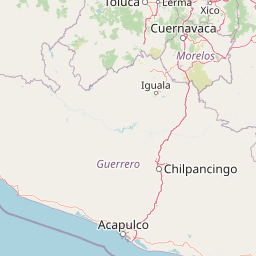
Why La Marquesa National Park stands out
La Marquesa National Park is best known for its role as a watershed protection area for the Mexico City metropolitan region, its old-growth pine and oak forests, and its position as one of the earliest designated national parks in central Mexico. The park's location along the Sierra de las Cruces places it at a critical ecological junction between the Valley of Mexico and the western highlands.
La Marquesa National Park history and protected-area timeline
La Marquesa National Park was established as part of Mexico's early national park system, created to protect the forest watersheds that supply water to the growing Mexico City metropolitan area and surrounding communities in the State of Mexico. The park was officially designated with its formal name honoring Miguel Hidalgo y Costilla, the insurgent priest and leader of Mexico's independence movement. This naming reflects the tradition of using significant national figures to designate protected areas during the 20th century. The establishment of the park represented an early effort in Mexico to formalize watershed protection through national-level designation, recognizing that the forests of the central highlands provided essential ecosystem services beyond their ecological value.
La Marquesa National Park landscape and geographic character
The landscape of La Marquesa National Park is defined by the mountainous terrain of the Sierra de las Cruces, where steep slopes and deep ravines create a rugged, forested environment. The underlying geology consists of volcanic materials from the trans-Mexican volcanic belt, which have produced soils capable of supporting dense forest growth. Elevation within the park supports distinct vegetation zones, with pine forests dominating at higher elevations and oak woodlands prevalent on lower slopes and in protected coves. Stream courses carved into the terrain create natural corridors through the forest, and the overall impression is one of a heavily forested mountain landscape that contrasts with the more developed valleys below.
La Marquesa National Park ecosystems, habitats, and plant life
The natural environment of La Marquesa centers on the pine-oak forest ecosystem that characterizes much of the central Mexican highlands. These forests are adapted to the cooler, more humid conditions found at higher elevations in the trans-Mexican volcanic belt. The vegetation structure includes both mature trees forming canopy layers and understory species adapted to the shaded forest floor. These forests provide important habitat value, supporting bird species and small mammals that depend on the forest structure for shelter and food. The watershed function of these forests is particularly significant, as the root systems help maintain soil stability on steep slopes while the forest cover regulates the timing and quality of water flow into streams and springs.
La Marquesa National Park wildlife and species highlights
The wildlife community in La Marquesa National Park reflects the central Mexican highland forest environment, where bird species are particularly diverse. The pine and oak forest canopy provides nesting habitat and foraging grounds for various songbird species, while the forest understory supports small mammal populations. The protected status of the area helps maintain habitat connectivity in a region where forest cover has been reduced by agricultural expansion and urban development. These forests serve as refuge areas for species adapted to mature forest conditions.
La Marquesa National Park conservation status and protection priorities
La Marquesa National Park represents an important conservation designation in central Mexico, protecting forest ecosystems that provide critical watershed services to one of the country's most densely populated regions. The park's establishment reflected early understanding that preserving headwater forests is essential for maintaining water quality and regulating downstream water availability. The protected area helps maintain ecological corridors in the Sierra de las Cruces, connecting forest patches and supporting biodiversity in a landscape increasingly influenced by human activity. Conservation of this area addresses both ecological preservation and the practical need to protect water resources for surrounding communities.
La Marquesa National Park cultural meaning and human context
The Sierra de Las Cruces and the area surrounding La Marquesa have been part of the historical landscape of central Mexico, long before modern conservation designations. The region's forests would have been utilized by local communities for water, timber, and other resources. The park's location in the State of Mexico places it within a region of significant historical and cultural importance, as this area lies between the Valley of Mexico and the western highlands that have been inhabited and cultivated for centuries.
Top sights and standout views in La Marquesa National Park
The standout qualities of La Marquesa National Park include its role as a critical watershed protection area serving the Mexico City metropolitan region, its old-growth pine and oak forests in the Sierra de las Cruces, and its designation as one of Mexico's early national parks preserving central highland forest ecosystems. The park offers a forested mountain landscape within reach of the country's largest urban population, providing accessible nature experiences and environmental education opportunities.
Best time to visit La Marquesa National Park
The best time to explore La Marquesa National Park is during the dry season from November through April, when visitor conditions are most favorable and the risk of heavy rain is lowest. The winter and spring months offer clearer skies and more predictable access to trail areas within the park. The forest environment is pleasant year-round due to the moderating effect of elevation, though visitors should be prepared for cooler temperatures at higher elevations.