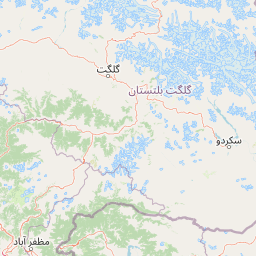
Why Lulusar-Dudipatsar National Park stands out
Lulusar-Dudipatsar National Park is best known for its spectacular glacial lake scenery, particularly Dudipatsar Lake, whose name derives from local language meaning white mountain lake. The park's high-altitude setting at the northern end of the Naran Valley places it amid some of Pakistan's most visually striking Himalayan terrain, with mirror-like lake surfaces reflecting snow-capped peaks during summer months. The park also holds significant conservation importance as habitat for the endangered snow leopard, alongside other notable species including black bear, lynx, Himalayan snowcock, and snow partridge. The presence of multiple glacial lakes including Lulusar, Pyala, Sat Sari Mala (a chain of seven alpine lakes), Daraham Sir, and Sambak Sir adds to the park's distinctive character as a destination for trekking and alpine exploration.
Lulusar-Dudipatsar National Park history and protected-area timeline
Lulusar-Dudipatsar National Park was formally established in 2003 as part of Pakistan's expanding network of protected areas. The creation of the park reflected growing recognition of the ecological and scenic value of the Kaghan Valley's high-altitude landscapes. Prior to formal protection, the area had long been recognized for its natural beauty and ecological significance, with the lakes and peaks serving as important landmarks in the region. The park's establishment came during a period when Pakistan was developing its national park system to better protect key mountain ecosystems. Access to the park and surrounding valley was significantly affected by the 2005 Kashmir earthquake, which caused widespread damage to roads and infrastructure throughout northern Pakistan. The earthquake made what had previously been relatively straightforward access more challenging. Beginning in 2006, the Pakistan government undertook efforts to restore tourism infrastructure in the Kaghan Valley, including road reconstruction and development of new tourism facilities, gradually improving access to the park and supporting its role in regional sustainable development.
Lulusar-Dudipatsar National Park landscape and geographic character
The landscape of Lulusar-Dudipatsar National Park exemplifies the dramatic topography of the Western Himalayas. The park encompasses mountainous terrain characterized by steep-sided valleys, towering peaks, and glacial cirques. The defining features are the chain of glacial lakes that dot the landscape, each set within amphitheaters of bare rock and snow. Dudipatsar Lake, the most renowned, lies encircled by snow-clad peaks at the extreme north of the Naran Valley, its name reflecting the white appearance of surrounding summits. Lulusar comprises both a lake and a group of peaks, with the highest summit reaching 3,410 meters above sea level. Additional lakes including Pyala Lake (Jalkad), the seven lakes of the Sat Sari Mala chain, Daraham Sir at approximately 4,100 meters elevation, and Sambak Sir at 3,300 meters further characterize the park's diverse lake systems. The terrain transitions through distinct elevation zones, from forested slopes through alpine meadows to exposed rock and permanent snow, creating a landscape of exceptional visual complexity.
Lulusar-Dudipatsar National Park ecosystems, habitats, and plant life
The nature of Lulusar-Dudipatsar National Park reflects its position within two significant Western Himalayan ecoregions. The lower elevations fall within the Western Himalayan subalpine conifer forests, characterized by coniferous tree cover adapted to the cool, moist conditions. At higher elevations, the vegetation shifts to Western Himalayan alpine shrub and meadows, featuring lower-growing plants adapted to the more extreme conditions of the alpine zone. This vertical zonation creates diverse habitats within a relatively limited area. The park's lakes and wetland habitats hold particular ecological importance, providing water sources and foraging areas for both resident wildlife and migratory species. These aquatic systems support aquatic invertebrates and serve as waypoints for migratory waterfowl traveling through the Himalayan flyway. The combination of forest, shrubland, meadow, and aquatic habitats creates a mosaic that supports the park's biodiversity.
Lulusar-Dudipatsar National Park wildlife and species highlights
The wildlife of Lulosar-Dudipatsar National Park includes several species of notable conservation significance. The snow leopard, an endangered large cat inhabiting high-altitude Asian mountains, is present within the park, representing one of the species that gives the protected area its conservation importance. Additional mammalian species include black bear, lynx, leopard, marmot, and weasel, each occupying different ecological niches within the mountainous environment. The avifauna features species adapted to alpine conditions, including Himalayan snowcock and snow partridge, ground-dwelling birds that inhabit the rocky terrain above the tree line. The park's lakes and wetland areas provide critical habitat for waterfowl, supporting both species that breed in the area and migratory species that use these high-altitude water bodies as stopover points along migration routes. The combination of terrestrial and aquatic habitats supports a diverse community of wildlife that reflects the park's ecological complexity.
Lulusar-Dudipatsar National Park conservation status and protection priorities
Lulusar-Dudipatsar National Park contributes significantly to conservation of Western Himalayan biodiversity. The protected area provides essential habitat for the endangered snow leopard, a species whose global population is small and fragmented across the high mountains of Central and South Asia. Beyond the snow leopard, the park protects populations of other charismatic species including black bear and lynx. The lake and wetland ecosystems hold particular importance for waterbird conservation, supporting both breeding populations and migratory species that depend on these high-altitude aquatic habitats. The park forms part of a larger conservation landscape together with adjacent Saiful Muluk National Park, creating a connected protected area network of approximately 88,000 hectares. This landscape-level protection helps maintain ecological connectivity and supports broader biodiversity conservation across the Kaghan Valley region.
Lulusar-Dudipatsar National Park cultural meaning and human context
The cultural context of Lulusar-Dudipatsar National Park is rooted in the local communities of the Kaghan Valley, who have maintained connections to this mountain landscape for generations. The place names within the park reflect the linguistic heritage of the region, with local languages contributing terms like dudi (white), pat (mountains), and sar (lake) that describe Dudipatsar's characteristic appearance. The term sar appears in the names of multiple lakes throughout the area, reflecting a consistent naming convention in the local toponymy. Access to the park traditionally came through the village of Naran, which has long served as a gateway for visitors entering the high mountain terrain. The local communities have historically engaged with the landscape through traditional land use practices, and the establishment of the national park formalized protection while maintaining the area's cultural significance.
Top sights and standout views in Lulusar-Dudipatsar National Park
The highlights of Lulusar-Dudipatsar National Park center on its exceptional alpine lake scenery and mountain landscapes. Dudipatsar Lake, with its setting surrounded by snow-capped peaks and its mirror-like summer reflections, represents the park's most iconic landscape. The chain of seven lakes known as Sat Sari Mala, accessible only during a brief window in August and September, offers a rare trekking destination for adventurous visitors. The presence of snow leopard, black bear, and other wildlife adds to the park's appeal for nature enthusiasts. The combination of accessible lakes like Lulusar and more remote destinations like Daraham Sir and Sambak Sir provides options ranging from straightforward day visits to multi-day treks. The park's position at the northern end of the Naran Valley places it within one of Pakistan's most scenic mountain regions.
Best time to visit Lulusar-Dudipatsar National Park
The best time to visit Lulusar-Dudipatsar National Park is during the summer and early autumn months, typically June through September, when the weather is most favorable for exploration. During this period, the high-altitude trails become accessible, and the lake surfaces reflect the surrounding scenery with minimal ice cover. Summer months bring warm days and relatively stable conditions suitable for trekking and camping. The brief window of August and September is particularly important for reaching higher-altitude destinations like the Sat Sari Mala lakes, which remain snowbound for most of the year and only become accessible during this short season. Earlier in the season, snow may still block some passes, while later in autumn, weather conditions become less predictable. The post-monsoon period often provides clear skies and good visibility for viewing the mountain landscapes.