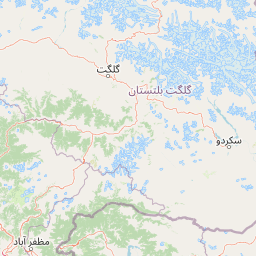
Why Manglot National Park stands out
Manglot National Park is best known for its scrub forest ecosystem, which represents a distinctive habitat type in the Khyber Pakhtunkhwa region. The park protects populations of chinkara and hog deer, two ungulate species of conservation concern in Pakistan. The area also supports a notable population of leopards, making it one of the more accessible locations in the province where this elusive predator can be encountered. The combination of dry scrub woodland with proximity to the Indus River creates a unique ecological interface that supports diverse fauna.
Manglot National Park history and protected-area timeline
Manglot National Park was established in 1990 as a protected area under Pakistani national park legislation. The creation of the park reflected growing recognition in Pakistan during the late 1980s and early 1990s of the need to preserve remaining scrub forest habitats in the country's northern and northwestern regions. Prior to formal protection, the Manglot area had served as a traditional grazing area and hunting ground, with wildlife populations facing sustained pressure from human activities. The establishment of the park provided legal protection for the area's fauna, including species such as the chinkara and leopard that had been hunted in the region. The park was designated both as a national park and a wildlife sanctuary, reflecting its dual purpose of habitat preservation and wildlife conservation.
Manglot National Park landscape and geographic character
The landscape of Manglot National Park consists of undulating terrain that combines hilltops with flat plains extending toward the Indus River. The hills within the park reach moderate elevations and support the scrub forest vegetation that defines the area's character. The plains areas near the river feature more fertile soils that support different vegetation communities. The overall topography creates a mosaic of habitats, with dry slopes covered in scrub vegetation contrasting with the more lush riparian corridor along the Indus. The landscape has a distinctly semi-arid character, with vegetation adapted to seasonal variation in rainfall and temperature.
Manglot National Park ecosystems, habitats, and plant life
The nature of Manglot National Park is defined by its scrub forest ecosystem, a habitat type that once covered much of the foothills and plains of northwestern Pakistan but has now been largely reduced to isolated patches. The park's vegetation is dominated by olive trees, which form the primary canopy species across much of the protected area. Acacia modesta is another significant tree species present in the park, while the understory includes species such as zizyphus, olea, deodonia, and monothica. This plant community supports a characteristic fauna adapted to dry woodland conditions, including both resident species and those that use the area as a seasonal corridor. The scrub forest provides critical habitat for species that cannot survive in the more intensive agricultural landscapes that have replaced similar habitats elsewhere in the region.
Manglot National Park wildlife and species highlights
Manglot National Park supports a diverse array of wildlife, with particular significance attached to its populations of ungulates and large predators. The park is home to the chinkara, a graceful gazelle species that remains widespread but has declined in many parts of its range, and the hog deer, a species that favors the more vegetated areas within the forest. The common leopard inhabits the park, representing one of the more notable conservation values of the protected area, as this species has been squeezed into increasingly marginal habitats across South Asia. Additional mammalian species include the wolf, wild boar, jackal, porcupine, and hare. The bird population includes chukar partridge, multiple partridge species, rock pigeons, doves, and various sparrow species. Reptiles including snakes and lizards are also present in the park.
Manglot National Park conservation status and protection priorities
Manglot National Park represents an important conservation asset for Khyber Pakhtunkhwa, providing protection for a scrub forest ecosystem that has become increasingly rare in the province. The park's location near the Indus River adds to its conservation significance, as the river corridor serves as a vital wildlife movement route through the region. Protection of the chinkara and hog deer populations is particularly important, as both species face habitat loss across their ranges in Pakistan. The leopard population in the park demonstrates that the area retains enough ecological integrity to support this wide-ranging predator, which requires large territories and sufficient prey populations. The park functions as a refuge in a landscape where remaining natural habitats are fragmented and under pressure.
Manglot National Park cultural meaning and human context
Manglot National Park is situated in an area with historical significance related to the Indus River valley and the ancient trade routes that passed through the Khyber Pakhtunkhwa region. The village of Nizampur, which lies near the park boundary, reflects the long human presence in this landscape. Local communities have historically used the areas surrounding the park for grazing and small-scale agriculture, practices that continue to influence the park's boundary relationships with surrounding lands. The park's establishment in 1990 represents a more recent chapter in the area's history, shifting from a landscape used primarily for extraction to one managed for conservation.
Top sights and standout views in Manglot National Park
The highlights of Manglot National Park include its accessible leopard population, which draws wildlife enthusiasts interested in observing this elusive cat in its natural habitat. The scrub forest environment offers a distinctive visual character different from the alpine and subalpine environments more commonly associated with Pakistan's northern mountains. The park provides habitat for both chinkara and hog deer, offering opportunities to observe these graceful ungulates in a protected setting. The birdlife, particularly the partridge species and the chukar, adds to the park's appeal for birdwatchers. The proximity to the Indus River adds another dimension to the park's character, with the river visible from some of the higher ground within the protected area.