Why Masada National Park stands out
Masada is best known for its extraordinary archaeological significance as the location of King Herod's palace-fortress and as the dramatic final stronghold of the Jewish revolt against Rome. The desert fortress showcases remarkable ancient engineering and construction, including three palace complexes, storehouses, a synagogue, and sophisticated water cisterns that collected desert rainfall. The site's second major claim to fame comes from the historical account of the 73 CE siege and the legendary mass suicide of the Jewish defenders, which has made Masada a powerful symbol of bravery and resistance. The dramatic setting, with its views across the Dead Sea to the mountains of Jordan on the far shore, adds to the site's powerful atmosphere and visitor experience.
Masada National Park history and protected-area timeline
The history of Masada spans multiple significant periods of the region. Herod the Great began construction of the palace-fortress around 37 BCE, transforming the naturally defensible plateau into an elaborate complex with three distinct palace areas, cisterns capable of storing vast amounts of water, storehouses for provisions, and a synagogue for the Jewish inhabitants. Following Herod's death, the site passed through various hands before becoming the final stronghold of the Jewish Sicarii rebels who fled Jerusalem during the Roman suppression of the Great Jewish Revolt in 66-73 CE. These approximately 960 defenders, along with their families, held the site for several years before the Roman legions eventually breached the defenses. The historical account preserved by the Jewish historian Josephus describes how the defenders chose collective suicide over capture, though the reliability of this account has been debated by historians. The site lay largely forgotten until the 19th century when European explorers identified and documented the ruins. Systematic archaeological excavation began in the 1960s under the direction of Yigael Yadin, revealing extensive portions of the palace complex and daily life at the site. Israel declared the area a national park in 1966, and UNESCO designated Masada as a World Heritage Site in 2001.
Masada National Park landscape and geographic character
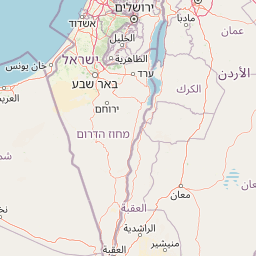
The landscape of Masada National Park is defined by its dramatic desert setting in the Judean Desert along the eastern edge of the Dead Sea basin. The isolated sandstone plateau rises sharply from the surrounding terrain, creating a striking natural formation that was both defensible and visually imposing. The rock formation itself consists of hard limestone and dolomite layers over softer sandstone, which has been carved and shaped by natural erosion into the distinctive mesa form visible today. Around the ancient site, the landscape transitions from the Dead Sea shoreline at approximately 430 meters below sea level up through the steep ascent to the plateau. The desert environment features sparse vegetation adapted to the extreme aridity, with scattered hardy shrubs and the occasional desert rose. The surrounding terrain is characterized by rugged wadis, rocky slopes, and the stark beauty of the arid Judean Desert. Views from the plateau extend across the Dead Sea to the distant mountain ranges of Jordan on the eastern horizon, creating one of the most visually dramatic archaeological settings in the region.
Masada National Park ecosystems, habitats, and plant life
While Masada is primarily known for its archaeological significance, the national park also encompasses the unique desert ecosystem of the Judean Desert. The park lies within an extreme desert climate characterized by very low precipitation, high temperatures in summer, and relatively mild winters. Despite these harsh conditions, the area supports specialized desert flora and fauna adapted to survive in this challenging environment. Desert reptiles including lizards and snakes can be found among the rocks, while birds of prey such as eagles and hawks soar on thermals rising from the heated desert floor. The occasional desert fox and other small mammals also inhabit the region. The most ecologically significant aspect of the Masada area is its position along the Dead Sea shoreline, where the transition between desert and the unique hypersaline lake creates distinctive habitat conditions. The stark contrast between the barren desert plateau and the extraordinary geological setting provides the dramatic backdrop that makes Masada such a memorable natural environment.
Masada National Park wildlife and species highlights
The wildlife in the Masada National Park area reflects the harsh desert conditions of the Judean Desert, with species adapted to survive in an environment of extreme aridity and temperature variation. Reptiles are among the most commonly observed wildlife, with various lizard species sunning themselves on the rocky surfaces around the plateau. Desert snakes, including some venomous species, also inhabit the area but are rarely encountered by visitors. The bird population is more diverse, with birds of prey such as the griffon vulture, eagles, and falcons often visible circling on the thermal updrafts that rise from the heated desert terrain. Smaller birds including various finches and desert larks can be found in the sparse vegetation areas. Among mammals, the desert fox is perhaps the most distinctive, having adapted to hunt small rodents and insects in the darkness to avoid the extreme daytime heat. The surrounding Dead Sea region also attracts migratory bird populations during certain seasons, though the park itself is not a major birdwatching destination compared to other Israeli nature reserves.
Masada National Park conservation status and protection priorities
Masada National Park serves both as an archaeological preservation site and as a protected area within Israel's national park system. The park's conservation focus centers on preserving the ancient structures from natural erosion and human damage while also protecting the surrounding desert landscape from development pressures. The Israel Nature and Parks Authority manages the site, implementing visitor management strategies to minimize impacts on the sensitive archaeological remains and desert environment. The designation as a UNESCO World Heritage Site in 2001 brought additional international recognition and resources for preservation efforts. Conservation challenges include managing the large number of visitors who ascend the ancient site via the Roman siege ramp or the modern cable car, implementing appropriate conservation treatments for the ancient structures, and addressing the ongoing natural erosion of the sandstone formations. The park also serves as an important site for education about both ancient history and the unique desert ecology of the region.
Masada National Park cultural meaning and human context
Masada holds profound cultural and symbolic significance in Jewish heritage and Israeli national identity. The site has become a powerful symbol of courage, resistance, and the willingness to choose death over submission to oppression. The story of the Jewish defenders' last stand has been commemorated in Israeli society through military graduation ceremonies, educational programs, and the cultural resonance of the phrase Masada has become synonymous with heroic sacrifice in Jewish memory. Beyond this symbolic dimension, the site also represents the architectural achievements of the Herodian period, showcasing the ambition and engineering capabilities of King Herod's building projects. The archaeological evidence reveals a complex community that included living quarters, ritual spaces like the synagogue, and elaborate palace facilities, demonstrating the sophisticated civilization that once inhabited this seemingly remote desert location. Today, Masada also attracts visitors from many backgrounds who come to appreciate both the historical significance and the dramatic natural setting of this remarkable site.
Top sights and standout views in Masada National Park
The most prominent highlights of Masada include the remarkably well-preserved palace complexes with their elaborate architectural details, including frescoes, columns, and elaborate bathing facilities. The Roman siege works, including the famous ramp used by Roman legions to breach the fortifications, remain visible and form part of the visitor experience. The views from the plateau across the Dead Sea to the Jordanian mountains are consistently cited as a highlight, particularly during sunrise when the changing light transforms the landscape. The Byzantine-era Christian monastery at the northern end of the plateau, though less famous than the Herodian ruins, also provides historical layering to the site. The dramatic setting itself, with the isolated plateau rising from the desert floor, creates an atmospheric experience that connects visitors to both the ancient history and the harsh environment that shaped the lives of the site's inhabitants.
Best time to visit Masada National Park
The best time to visit Masada National Park is during the cooler months from October through April, when daytime temperatures are more comfortable for exploring the outdoor site. Summer temperatures in the Judean Desert can be extremely high, making the steep ascent to the plateau physically challenging and potentially dangerous. Many visitors choose to arrive early in the morning to experience the sunrise from Masada, a popular activity that requires ascending before dawn, though this means starting the climb in cooler pre-dawn hours. The winter season can bring occasional rain to the desert region, which while rare, can create dramatic atmospheric conditions at the site. The Dead Sea region's climate remains warm enough for year-round visits, but spring and autumn offer the most comfortable conditions for walking among the ruins and exploring the archaeological remains. Visitors should be prepared for the desert environment regardless of season, with adequate sun protection, water, and appropriate footwear essential for a safe and enjoyable visit.