Why Mayflower Bocawina National Park stands out
Mayflower Bocawina National Park is best known for its three waterfalls set within dense tropical rainforest, the ancient Maya archaeological sites including temple structures at Maintzunun and T'au Witz, and remarkable bird biodiversity with 238 species documented. The park offers a rare combination of natural scenic beauty and pre-Columbian cultural heritage, with howler monkeys, jaguars, tapirs, and diverse birdlife including motmots, parrots, and toucans inhabiting its forests.
Mayflower Bocawina National Park history and protected-area timeline
Mayflower Bocawina National Park was formally established in 2001, making it one of Belize's more recently designated national parks. The creation of the park reflected growing recognition in Belize of the need to protect remaining tracts of tropical forest while preserving archaeological sites from the Maya civilization. Since its establishment, the park has developed visitor infrastructure including a visitor center that serves as the gateway forexploring the park's trails and archaeological features. The Maya Center located nearby provides additional context for understanding the pre-Columbian heritage found within the park boundaries. Management by the Friends of Mayflower Bocawina National Park has focused on balancing conservation objectives with sustainable tourism opportunities.
Mayflower Bocawina National Park landscape and geographic character
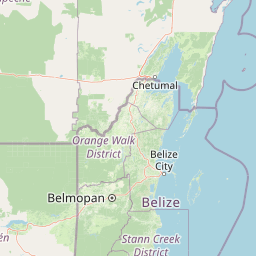
The landscape of Mayflower Bocawina National Park consists of dense tropical forest covering mountainous terrain in southern Belize. The area features three waterfalls that represent significant natural attractions. Bocawina Falls and Three Sisters Falls lie in close proximity to each other within the mountainous region and can be accessed by hiking trails. Antelope Falls requires a more strenuous hike, particularly during the rainy season when trail conditions become more challenging. The forest ecosystem is characterized by tall trees, diverse vegetation, and the watercourses that descend through the landscape to form the waterfall systems.
Mayflower Bocawina National Park ecosystems, habitats, and plant life
The nature of Mayflower Bocawina National Park centers on its tropical forest ecosystem, one of Belize's important remaining areas of intact woodland. The park supports a rich diversity of habitats despite its relatively compact size. The forest contains numerous plant species typical of the Central American tropical environment, and the canopy provides habitat for a wide variety of bird and mammal species. The presence of water bodies including streams and waterfall pools adds habitat diversity to the landscape.
Mayflower Bocawina National Park wildlife and species highlights
Mayflower Bocawina National Park supports significant wildlife populations within its tropical forest environment. Bird diversity is particularly notable, with approximately 238 species documented since the park's establishment. Notable bird species include motmots, parrots, and toucans, colorful species that inhabit the forest canopy. Mammalian wildlife includes several large and notable species: howler monkeys are present in the forest canopy, jaguars roam the deeper areas of the park, and tapirs are found in the denser vegetation. Additional species include anteaters. The waterfall areas and surrounding habitats provide water sources that support diverse wildlife throughout the year.
Mayflower Bocawina National Park conservation status and protection priorities
Mayflower Bocawina National Park operates under IUCN Category II protection, indicating its designation as a national park with primary conservation objectives. The Category II status means the area is managed to protect natural biodiversity and ecological processes while allowing compatible visitor activities. The protection of this forest area preserves habitat for species including jaguars, tapirs, howler monkeys, and more than 230 bird species. The park also conserves archaeological resources associated with the Maya civilization, adding cultural dimensions to its conservation value.
Mayflower Bocawina National Park cultural meaning and human context
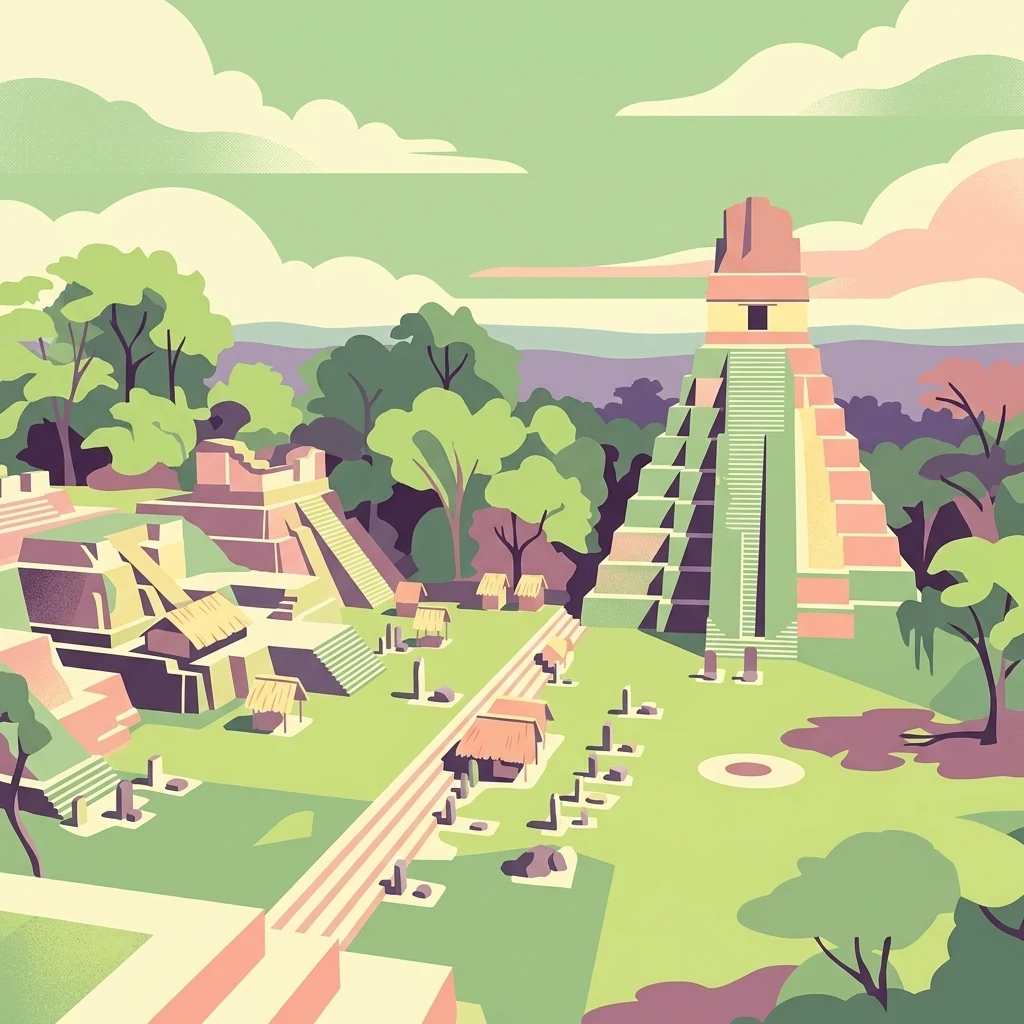
Mayflower Bocawina National Park contains significant archaeological evidence of the Maya civilization that inhabited this region centuries before European contact. At least three Maya temples have been discovered within the park boundaries, with structures at Maintzunun and T'au Witz located a short distance from the visitor center. The Maya Center situated opposite the visitor center provides cultural context for understanding these ancient sites. Antelope Falls is believed to have held significant importance to the survival of the nearby Maya city, linking the natural water resource to cultural practices. The combination of natural landscapes with pre-Columbian heritage creates a layered cultural context that distinguishes this park within Belize's protected areas.
Top sights and standout views in Mayflower Bocawina National Park
Mayflower Bocawina National Park offers three impressive waterfalls Bocawina Falls, Three Sisters Falls, and Antelope Falls accessible through forest hiking trails. The ancient Maya temple sites at Maintzunun and T'au Witz provide archaeological exploration opportunities unique among Belize's natural parks. Wildlife viewing includes chances to observe howler monkeys, jaguars, tapirs, and colorful tropical birds. The dense tropical forest environment creates an immersive nature experience in a relatively accessible location along the Southern Highway.
Best time to visit Mayflower Bocawina National Park
The best time to visit Mayflower Bocawina National Park depends on seasonal conditions. The dry season typically offers easier trail access, particularly for reaching Antelope Falls which becomes more challenging during rainy periods. However, the wet season often results in fuller waterfall flows, creating more impressive cascading scenery. The tropical forest environment remains green and lush throughout the year, though visitors should be prepared for warm and humid conditions typical of Belize's climate.