Why Mu Ko Surin National Park stands out
Mu Ko Surin National Park is best known for its exceptional marine biodiversity and well-preserved coral reef systems. The surrounding waters host more than 200 species of coral and diverse fish populations, making it a premier snorkeling and diving destination in Thailand. The park is particularly famous for regular sightings of whale sharks, which visit the area during certain times of year. Sea turtles, including green turtles and hawksbill turtles, nest on the islands' beaches. On land, the islands feature old-growth tropical forest with towering trees and dense undergrowth, providing habitat for resident and migratory bird species.
Mu Ko Surin National Park history and protected-area timeline
Mu Ko Surin National Park was officially designated as a national park on July 31, 1992, becoming part of Thailand's growing system of marine protected areas during a period of increasing environmental awareness in the country. The establishment came amid growing concern about the degradation of coral reefs and marine habitats along the Andaman coast, where tourism development had accelerated rapidly during the preceding decade. Prior to national park designation, the islands had received some protection as part of a wildlife sanctuary, but the elevated protected status provided stronger legal framework for conservation. The decision to include both the islands and surrounding marine waters reflected evolving understanding that effective marine conservation requires protecting entire ecosystems rather than isolated habitats. Initial management focused on establishing visitor facilities and developing sustainable tourism frameworks that would allow some public access while preventing damage to sensitive coral areas. The park has since become a model for how limited, well-managed tourism can coexist with conservation objectives in marine environments.
Mu Ko Surin National Park landscape and geographic character
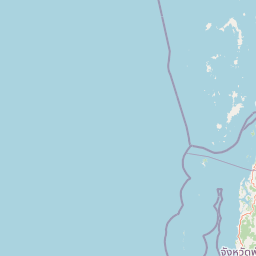
The Surin Islands feature a dramatic landscape defined by the transition from forested hillsides to coastal waters. The interior of the larger islands reaches elevations approaching 300 meters, with steep-sided ridges covered in dense tropical vegetation. The forest canopy includes tall trees such as dipterocarps and pandanus, with dense undergrowth of ferns and shrubs creating a layered forest structure. Along the coast, rocky promontories alternate with small sandy coves, and the islands' western shores generally feature wider beach areas than the eastern sides. Below the waterline, the islands are surrounded by coral reef platforms that vary in width and development depending on local conditions. Some reef areas extend several hundred meters from shore, while in other locations the reef begins almost immediately at the coastline. The underwater terrain slopes gradually from the reef flats to deeper water, with scattered rocky outcrops and sand channels providing habitat diversity. The surrounding seafloor consists primarily of sand and mud in deeper areas, with coral growth concentrated on the shallower reef platforms.
Mu Ko Surin National Park ecosystems, habitats, and plant life
The marine environment of Mu Ko Surin National Park supports one of the most biodiverse ecosystems in Thai waters. Coral reefs cover substantial areas around the islands, with more than 200 coral species identified in the park's boundaries. These reefs support dense populations of reef fish, including surgeonfish, butterflyfish, parrotfish, and groupers, along with numerous invertebrate species including sea stars, sea urchins, and various shellfish. The waters around the Surin Islands serve as important habitat for sea turtles, with both green turtles and hawksbill turtles regularly observed in the area. The islands also provide nesting beaches for green turtles, with nesting activity concentrated on specific beaches during the appropriate season. Seasonal visitors to the marine environment include whale sharks, which appear reliably during the months when plankton concentrations are highest in the Andaman Sea. The terrestrial forest supports resident bird populations including hornbills, kingfishers, and various passerine species, while migratory birds use the islands as stopover points during their seasonal movements.
Mu Ko Surin National Park wildlife and species highlights
The wildlife of Mu Ko Surin centers on its marine fauna, which draws the majority of visitor interest to the park. Sea turtles represent the most iconic marine species, with green turtles and hawksbill turtles commonly encountered while snorkeling or diving. These turtles feed on seagrass beds and reef organisms, and the park's protected status helps ensure their continued presence in what would otherwise be heavily fished waters. The reef systems host extraordinary fish diversity, with numerous species present in quantities that exceed what is typically seen in more heavily used coastal areas. Seasonal whale shark visits have become a major attraction, with these large filter-feeding animals appearing reliably enough that many dive operators schedule trips specifically to coincide with likely sighting periods. The islands' forested areas provide habitat for several bird species, including the great hornbill which can be spotted in the tree canopy. terrestrial reptiles including monitor lizards and geckos inhabit the islands, while the surrounding waters host occasional dolphin sightings and seasonal appearances of other marine mammals.
Mu Ko Surin National Park conservation status and protection priorities
Mu Ko Surin National Park serves as a critical refugia for marine species in the Andaman Sea region, protecting reef systems and coastal habitats that would otherwise face significant degradation from fishing pressure and coastal development. The park's marine protected area status restricts destructive fishing practices within its boundaries and limits the extraction of marine resources. Visitor numbers are managed to prevent the cumulative impacts that have damaged coral reefs at more heavily visited destinations, and the park maintains specific codes of conduct for snorkeling and diving activities to minimize physical damage to corals. The protection of sea turtle nesting beaches ensures that these species have secure sites for reproduction, addressing a major conservation concern for turtle populations throughout Southeast Asia. The presence of whale sharks, which are vulnerable to boat strikes and disturbance, benefits from the reduced vessel traffic in the protected waters. The park demonstrates that marine conservation can accommodate limited sustainable tourism, providing a model for balancing ecological protection with human use of marine environments.
Mu Ko Surin National Park cultural meaning and human context
The Surin Islands have historical connections to the indigenous Moken people, also known as sea nomads, who traditionally lived throughout the Andaman Sea region. The Moken historically used the islands as temporary camps during their seasonal movements through the archipelago, and some historical evidence of their presence remains on the islands. The name Surin itself derives from Thai and Burmese heritage, reflecting the cultural influences that have shaped the region's identity over centuries. The islands are located in a maritime zone that has served as a navigation corridor and fishing ground for coastal communities throughout historical time, though their offshore position limited intensive human settlement. Modern management of the park maintains awareness of these cultural connections while focusing primarily on ecological conservation objectives.
Top sights and standout views in Mu Ko Surin National Park
The exceptional coral reefs surrounding the Surin Islands represent one of the finest snorkeling and diving experiences available in Thailand, with healthy coral cover and abundant marine life. Regular whale shark sightings during the optimal season draw dedicated marine wildlife enthusiasts to the park. The islands' relatively remote location and limited visitor capacity preserve a sense of wilderness that contrasts with more developed island destinations. Sea turtle nesting beaches provide opportunities to observe these endangered animals in their natural habitat. The old-growth forest on the islands' interiors offers terrestrial exploration opportunities, with hiking trails leading to viewpoints overlooking the archipelago.
Best time to visit Mu Ko Surin National Park
The optimal time to visit Mu Ko Surin National Park spans from November through April, when monsoon conditions have passed and the Andaman Sea exhibits calm seas and excellent underwater visibility. This dry season period typically offers water clarity exceeding 20 meters, providing ideal conditions for snorkeling and diving activities. The cool season temperatures make outdoor activities comfortable, though conditions can become crowded during peak holiday periods. The whale shark season peaks between March and May, when plankton blooms attract these large animals to the area, though sightings occur throughout the broader dry season. The monsoon season from May through October brings rough seas and reduced visibility, and many park operations scale back or close during this period. Visiting during shoulder seasons of November or April can offer a balance between favorable conditions and reduced crowding.