Why Radal Siete Tazas National Park stands out
Radal Siete Tazas is best known for its dramatic cascade system of seven waterfalls and rock pools along the Claro River. The Siete Tazas formation is the park's central attraction, drawing visitors who explore the sequence of natural pools connected by cascading falls. The area has become a popular destination for kayakers who navigate the smaller falls while tourists watch from platforms surrounding the steep canyon. The high waterfalls of El Velo de Novia (Bridal Veil) and La Leona (Lioness) add to the park's reputation as a premier waterfall destination in Chile's central regions.
Radal Siete Tazas National Park history and protected-area timeline
The Radal Siete Tazas area was originally protected as a reserve before being officially reclassified as a national park in 2008, bringing it into Chile's highest category of protected areas under the national park system. The park gained international attention in February 2010 when one of the Seven Cups' main attractions completely dried up following the massive magnitude 8.8 earthquake that struck central Chile. Geologists believed the earthquake opened a rock fissure that allowed the water to drain into an underground aquifer, fundamentally altering the famous waterfall display for a period. This natural event highlighted the geological complexity of the area and the delicate relationship between surface water systems and underground aquifers in the volcanic terrain. The park continues to be managed by Chile's National Forestry Corporation (CONAF), which maintains trails and visitor facilities throughout the protected area.
Radal Siete Tazas National Park landscape and geographic character
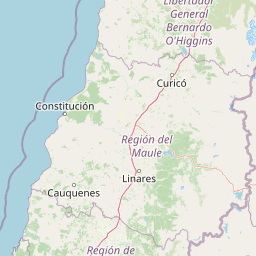
The physical landscape of Radal Siete Tazas National Park is defined by its steep pre-Andean topography and the dramatic river canyon that contains the famous waterfall system. The Claro River has carved a deep gorge through volcanic rock, creating the sequence of pools and falls that constitute the Seven Cups. The surrounding terrain features rocky cliffs, forested slopes, and the volcanic backdrop of Descabezado Grande in the distance. Elevations range from 650 meters along the river valley floor to 2,600 meters at the park's higher boundaries, creating dramatic changes in terrain character across relatively short distances. The canyon walls rise steeply around the waterfall area, providing dramatic viewpoints from which visitors can observe both the cascades below and the kayakers navigating the rapids. The combination of forested slopes, exposed rock faces, and the flowing water system creates a landscape of considerable scenic diversity within a relatively compact area.
Radal Siete Tazas National Park ecosystems, habitats, and plant life
The ecological character of Radal Siete Tazas centers on its southern beech forests dominated by trees of the genus Nothofagus, which dominate the park's lower and mid-elevation zones. The park protects several threatened Nothofagus species including Nothofagus glauca and the hybrid Nothofagus × leoni, alongside more common species such as Nothofagus macrocarpa, Nothofagus dombeyi, Nothofagus antarctica, and Nothofagus alpina. Beyond the southern beeches, the forest includes the vulnerable conifer Austrocedrus chilensis and the rare Maytenus chubutensis, both species of conservation concern in Chile. The riparian zones along the Claro River support distinctive plant communities adapted to the water-rich canyon environment. The diversity of elevation and aspect within the park creates multiple habitat types that support the overall biodiversity of the area.
Radal Siete Tazas National Park wildlife and species highlights
The park is notable for sheltering an endangered subspecies of the burrowing parrot, known locally as Tricahue (Cyanoliseus patagonus). This colorful parrot is a flagship species for the region's conservation efforts and represents one of the more distinctive bird species found within the protected area. The forest environment supports various bird species typical of central Chile's Andean foothills, while the river system and surrounding riparian habitat provide resources for additional wildlife. The steep canyon walls and rock faces offer nesting opportunities for cliff-dwelling species, while the forest canopy supports arboreal wildlife. While detailed species inventories are limited in the available source material, the presence of the endangered Tricahue parrot establishes the park's significance for avian conservation in the region.
Radal Siete Tazas National Park conservation status and protection priorities
Radal Siete Tazas National Park represents an important contribution to Chile's protected area network, designated as an IUCN Category II protected area reflecting its purpose of preserving natural ecosystems while allowing sustainable public use. The protection of the Nothofagus forest communities is particularly significant given that several of the beech species found within the park, including Nothofagus glauca and Nothofagus × leoni, are considered threatened. The presence of vulnerable tree species such as Austrocedrus chilensis and Maytenus chubutensis further elevates the conservation importance of the area. The park also protects watersheds important for downstream communities and maintains the ecological integrity of the Claro River system. The designation as a national park in 2008 formalized protections that had been in place through earlier reserve status, ensuring continued management of this scenic and ecologically significant area.
Radal Siete Tazas National Park cultural meaning and human context
The name Siete Tazas (Seven Cups) reflects the traditional Chilean Spanish naming of the seven pool-and-waterfall sequence along the Claro River, a name that has been used by local communities for generations. The area has long been a destination for regional visitors seeking to experience the natural beauty of the waterfall formations. The local name for the burrowing parrot, Tricahue, comes from Mapuche language influence, reflecting the indigenous heritage of the Maule Region. The park lies within territory historically associated with the Mapuche people, whose relationship with the pre-Andean landscapes of central Chile predates European colonization. The area's popularity for kayaking represents a more recent cultural use of the river, transforming the waterfall rapids into a recreational destination that brings visitors from across Chile and internationally.
Top sights and standout views in Radal Siete Tazas National Park
The Seven Cups waterfall and pool system remains the park's premier attraction, a sequence of seven terraced natural pools connected by cascading falls that create a staircase of water descending through the canyon. The high waterfall El Velo de Novia (Bridal Veil) offers a dramatic 40-meter vertical drop that ranks among the most impressive single-drop falls in Chile's central regions. Kayakers regularly navigate the smaller falls ranging from one to ten and a half meters, adding an adventure-sport dimension to the park's appeal. The pre-Andean setting near Descabezado Grande volcano provides a volcanic mountain backdrop that enhances the scenic character of the landscape. The southern beech forests represent a classic central Chilean forest type that visitors can explore along maintained trails through the protected area.
Best time to visit Radal Siete Tazas National Park
The park can be visited year-round, though the central Chilean climate means that spring and summer months (October through March) typically offer the most pleasant conditions for outdoor exploration. During these warmer months, the waterfall flows are generally stable and the forest vegetation is at its fullest, creating optimal conditions for viewing the Seven Cups and other cascades. Winter months (June through August) can bring cooler temperatures and occasionally reduced water flows, though the park remains accessible. The pre-Andean location means that higher elevations within the park may experience different conditions than the valley floor, so visitors planning to explore the full elevation range should be prepared for temperature variations. The 2010 earthquake demonstrated that natural geological events can temporarily alter the waterfall displays, though such occurrences are rare.