Why Rosario and San Bernardo Corals National Natural Park stands out
Rosario and San Bernardo Corals National Natural Park is best known as Colombia's only underwater national park and one of the Caribbean region's most important coral reef protection areas. The park protects 52 coral species and 170 fish species within its boundaries, making it a biodiversity hotspot for marine life. Its coral reefs develop across a depth range from one to 30 meters, creating diverse underwater landscapes that support sponges, mollusks, and crustaceans. The park's dual archipelago setting, combining the Rosario Islands and San Bernardo Islands, provides visitors with a unique marine exploration experience that differs substantially from the mainland national parks typical in Colombia's protected area system.
Rosario and San Bernardo Corals National Natural Park history and protected-area timeline
The park was established in May 1977 with an initial protected area of 178 square kilometers centered on the coral reefs surrounding the Rosario Islands archipelago. This initial designation reflected growing awareness in Colombia of the ecological importance and fragility of Caribbean coral reef systems, which had been experiencing degradation from multiple pressures including coastal development, tourism expansion, and marine pollution. The first expansion occurred in 1988, adding 195 square kilometers to the protected zone and incorporating additional reef areas. The most significant expansion came in 1996 when the San Bernardo Islands archipelago was incorporated into the park, bringing the total protected area to its current 1,200 square kilometers and formally creating the unified Rosario and San Bernardo Corals National Natural Park. This expansion reflected both the ecological connectivity between the two archipelago systems and a recognition that effective coral reef protection required comprehensive coverage of reef habitats across the broader geographic area. The park's history also includes increasing visitation pressure, leading to its status as Colombia's most visited national park in 2009, which has necessitated ongoing management attention to balance conservation with tourism development.
Rosario and San Bernardo Corals National Natural Park landscape and geographic character
The park's landscape is fundamentally defined by its marine environment, with the vast majority of the protected area lying beneath the Caribbean Sea. The underwater terrain features coral reef formations that create complex three-dimensional structures supporting diverse marine communities. The reef systems extend from shallow waters near the islands down to approximately 30 meters depth, where light availability still supports coral growth. Above water, the park includes numerous small islands and cays belonging to the Rosario and San Bernardo archipelagos. These islands are typically low-lying with minimal terrestrial elevation, featuring sandy beaches and coastal vegetation dominated by mangroves. The islands support brackish water lagoons in their interiors, where freshwater mixing from rainfall and tidal influences creates unique habitat conditions. The surrounding Caribbean waters are influenced by the Caribbean Current flowing from east to west and the Panama Current, both contributing to the nutrient dynamics and temperature regimes that sustain the reef ecosystems.
Rosario and San Bernardo Corals National Natural Park ecosystems, habitats, and plant life
The marine ecosystems within Rosario and San Bernardo Corals National Natural Park represent some of the most biodiverse marine environments in Colombian territorial waters. The park protects extensive coral reef communities comprising 52 identified coral species, which form the structural foundation for the entire marine ecosystem. Seagrass beds cover substantial areas of the shallow seafloor, particularly in lagoon environments and between reef formations, providing critical habitat for marine invertebrates and serving as nursery areas for many fish species. Mangrove forests fringe the islands, creating a transition between terrestrial and marine environments and providing sheltered areas for juvenile marine organisms. The combination of coral reefs, seagrass beds, and mangroves creates a interconnected marine landscape where each habitat type supports the others, forming a functional ecosystem unit. The park's position in the Caribbean also places it within a major oceanic current system that brings planktonic organisms and influences the connectivity of reef populations across the wider Caribbean region.
Rosario and San Bernardo Corals National Natural Park wildlife and species highlights
The marine wildlife of Rosario and San Bernardo Corals National Natural Park is remarkably diverse, with the park recording 170 fish species, 52 coral species, and 25 sponge species, alongside hundreds of mollusk and crustacean species. The coral reef structures serve as the primary habitat for most of this biodiversity, with fish populations ranging from small reef-dwelling species to larger predators. The fish community includes numerous species typical of Caribbean reef ecosystems, utilizing the reef for feeding, spawning, and shelter. Invertebrate populations are similarly diverse, with various coral species forming the reef structure itself while numerous mollusk and crustacean species inhabit the reef surface and surrounding sediments. The seagrass beds and mangrove environments support additional wildlife assemblages that differ from those found on the coral reefs, creating habitat heterogeneity across the park. The park's marine wildlife also includes species that move through the area as part of broader Caribbean migration patterns, connected to populations throughout the wider Caribbean marine province.
Rosario and San Bernardo Corals National Natural Park conservation status and protection priorities
Rosario and San Bernardo Corals National Natural Park holds significant conservation importance as Colombia's primary marine protected area dedicated to coral reef preservation. The park protects reef ecosystems that face multiple threats, including sediment input from the Magdalena River via the Canal del Dique, which brings increased turbidity and nutrient loads that can stress coral health and promote algal competition. Climate change poses additional challenges through ocean warming and increasing acidity, which affect coral growth and resilience. The park's designation as an IUCN Category II protected area reflects its function as a national park with conservation as a primary objective, while also allowing for sustainable visitation that can support local economies. The presence of the park has helped establish a conservation framework for Colombian Caribbean marine environments and provides reference ecosystems for understanding reef health and dynamics in the region. Effective conservation requires ongoing management attention to visitor impacts, water quality threats, and broader environmental changes affecting Caribbean marine systems.
Rosario and San Bernardo Corals National Natural Park cultural meaning and human context
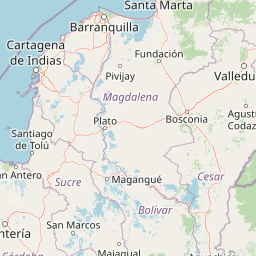
The islands within Rosario and San Bernardo Corals National Natural Park have been part of the cultural landscape of the Colombian Caribbean coast, though the primary cultural context for the park relates to maritime traditions of coastal communities in the Sucre and Bolívar regions. The town of Tolú serves as a gateway community for park visitors, representing the human settlement pattern along this stretch of coastline. The marine environments have supported traditional fishing activities historically, though the establishment of the park has created regulated zones that affect fishing access. The islands themselves have limited permanent terrestrial habitation, with most human activity focused on tourism and conservation management. The park's proximity to Cartagena, one of Colombia's major tourist destinations, influences visitation patterns and creates economic connections between the historic walled city and the marine natural environment.
Top sights and standout views in Rosario and San Bernardo Corals National Natural Park
The park's standout feature is its status as Colombia's only underwater national park, offering visitors direct access to living coral reef ecosystems that are otherwise rare in Colombian marine environments. The dual-archipelago configuration provides geographic variety, with the Rosario Islands offering the original and historically central zone while the San Bernardo Islands to the south extend the protected area and add ecological breadth. The 170 fish species and 52 coral species create exceptional underwater biodiversity that supports snorkeling and diving activities. The combination of coral reefs, seagrass beds, and mangrove forests within a single protected area demonstrates the interconnected nature of marine ecosystems. The park's position in the Caribbean current system connects it to broader regional marine ecosystems, making it relevant for understanding Caribbean-wide reef ecology and conservation.
Best time to visit Rosario and San Bernardo Corals National Natural Park
The park can be visited year-round given its marine environment, with water temperatures consistently warm between 27 and 30 degrees Celsius. The Caribbean climate produces a wet season typically from May to November and a drier period from December through April, though rainfall patterns can vary. The wet season may bring increased sediment runoff from the mainland that can affect water clarity around the reefs, while the dry season typically offers better underwater visibility. Many visitors prefer the December to April period for optimal diving and snorkeling conditions, though this also corresponds to higher visitation levels. The park's popularity means that advance planning is advisable, particularly for accommodation on the islands or organized diving excursions. Year-round warm water temperatures mean that any season offers the opportunity for underwater exploration, though conditions may vary in terms of visibility and marine life activity.