Why San Lucas Island National Park stands out
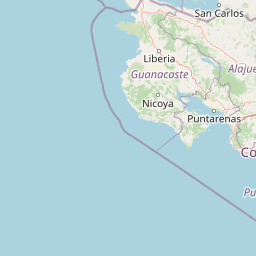
San Lucas Island National Park is known for its isolated island ecosystem in the Gulf of Nicoya, where tropical dry forest meets coastal marine environments. The park provides habitat for various bird species and terrestrial wildlife typical of Pacific island environments in Costa Rica. Its combination of historical significance as a former leper colony and its role in protecting island biodiversity makes it distinctive among Costa Rica's protected areas.
San Lucas Island National Park history and protected-area timeline
San Lucas Island has a notable human history that preceded its designation as a national park. The island served as a lazaretto, or leper colony, from the late 19th century through much of the 20th century. This historical use meant the island was largely isolated from regular human settlement, which inadvertently contributed to the preservation of its natural environments. The former institutional presence on the island left some infrastructure, though the primary focus of the national park is on conservation of the island's natural landscapes and ecosystems.
San Lucas Island National Park landscape and geographic character
San Lucas Island features a landscape of tropical island terrain with coastal cliffs, rocky shores, and interior forested areas. The island rises from the waters of the Gulf of Nicoya, with vegetation dominated by tropical dry forest and scrubland typical of the Pacific coastal region of Costa Rica. The surrounding marine environment includes coastal waters and reef areas that contribute to the park's ecological diversity.
San Lucas Island National Park ecosystems, habitats, and plant life
The park protects island ecosystems including tropical dry forest, secondary forest growth, and coastal vegetation communities. The isolation of the island has allowed for the development of distinctive ecological patterns, with species adapted to the island environment. The marine portion of the park protects coastal waters important for fish populations and marine biodiversity in the Gulf of Nicoya.
San Lucas Island National Park wildlife and species highlights
The island supports birdlife typical of Pacific island environments in Costa Rica, including various resident bird species. The combination of forest habitats and coastal areas provides foraging and nesting opportunities for avian species. Marine waters around the island support fish and other sea life relevant to the Gulf of Nicoya ecosystem.
San Lucas Island National Park conservation status and protection priorities
San Lucas Island National Park contributes to Costa Rica's national park system and conservation network. The protected area maintains both terrestrial and marine ecosystems important for regional biodiversity. The park's establishment reflects Costa Rica's commitment to comprehensive environmental protection that includes island environments and coastal marine areas.
San Lucas Island National Park cultural meaning and human context
The island's historical role as a leper colony from the late 1800s through the mid-20th century gives the site a distinctive human history. This period of isolation shaped both the island's development and contributed to the preservation of its natural environments due to limited human impact in most areas. The historical institutional presence contrasts with the island's current nature-focused identity as a national park.
Top sights and standout views in San Lucas Island National Park
San Lucas Island National Park offers a distinctive combination of island wilderness, tropical dry forest, and marine protection in the Gulf of Nicoya. The park provides an island exploration experience within Costa Rica's renowned protected areas network. The historical dimension of the former leper colony adds cultural context to the natural landscape.
Best time to visit San Lucas Island National Park
The best time to visit San Lucas Island National Park corresponds to the dry season in Costa Rica's Pacific lowlands, typically from December through April. During this period, visitor access to the island is generally more consistent and weather conditions are more favorable for outdoor exploration. The green season from May to November brings more rain but also lush vegetation. Visitors should check current access information as island visitation may involve boat transportation from the mainland.