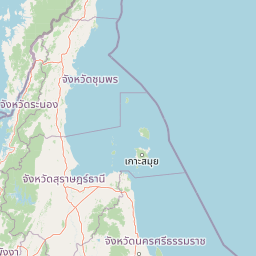
Why Si Phang Nga National Park stands out
The park is best known for its extraordinary limestone karst landscape, where ancient geological forces have carved towering pinnacles and cliff faces that rise dramatically from mangrove-lined waters. The mangrove forests of Si Phang Nga represent some of the most ecologically productive coastal ecosystems in Southeast Asia, serving as critical nurseries for marine species and important carbon sinks. The park also contains significant archaeological sites, with cave paintings and evidence of human habitation dating back thousands of years, adding a cultural dimension to its natural significance.
Si Phang Nga National Park history and protected-area timeline
Si Phang Nga National Park was established as the 47th national park of Thailand, reflecting the country's recognition of the need to preserve its unique coastal and geological heritage. The establishment of the park came as conservation awareness grew in Thailand during the late 20th century, with increasing recognition that the limestone karst and mangrove systems of Phang Nga Province represented both ecological treasures and geological assets of national importance. The park's creation also aimed to protect archaeological sites within its boundaries, including cave paintings and artifacts that attest to long human presence in this region.
Si Phang Nga National Park landscape and geographic character
The landscape of Si Phang Nga National Park is dominated by dramatic limestone karst formations that rise abruptly from coastal waters and dense mangrove forests. The limestone pinnacles, characterized by their steep sides and often peaked summits, are the result of millions of years of chemical weathering and mechanical erosion, creating a terrain that appears almost otherworldly in its complexity. Between these rock formations, tidal channels and inlets weave through mangrove forests, creating a labyrinthine navigation environment that changes with the twice-daily tidal cycles. The park encompasses both terrestrial areas with forested slopes and submerged marine environments where limestone formations continue beneath the water surface, forming underwater caves and caverns.
Si Phang Nga National Park ecosystems, habitats, and plant life
The park's ecological character is defined by the interaction between its limestone terrain and coastal mangrove ecosystems. The mangrove forests represent a critical habitat type in the region, providing sheltered nursery areas for juvenile fish, crustaceans, and mollusks while also stabilizing coastlines and filtering sediments from terrestrial runoff. The limestone cliffs support specialized plant communities adapted to the challenging conditions of karst substrates, including drought-tolerant species and those adapted to grow in crevices and cliff faces. The transition between forest, cliff, and marine environments creates a complex mosaic of habitats that supports ecological diversity.
Si Phang Nga National Park wildlife and species highlights
The wildlife of Si Phang Nga National Park reflects its position in the Indo-Burma biodiversity hotspot, with numerous species adapted to both forest and coastal environments. The mangrove systems support rich communities of crustaceans, fish, and mollusks, while the forest canopy harbors bird species and small mammals. The limestone cliffs provide nesting sites for birds and roosting areas for bats, and the cave systems host specialized troglomorphic species adapted to dark environments. Marine species utilize the protected waters surrounding the park, with coral communities and fish populations benefiting from the habitat complexity created by the underwater karst formations.
Si Phang Nga National Park conservation status and protection priorities
Si Phang Nga National Park represents an important conservation priority for Thailand due to its unique combination of geological and ecological values. The mangroves within the park are recognized for their ecological services, including carbon sequestration, coastal protection, and biodiversity support, making them valuable targets for preservation. The limestone karst formations are both ecologically important and geologically significant, containing cave systems that serve as habitat and archaeological repositories. Conservation of this area also supports the broader Phang Nga Bay ecosystem, which is recognized for its outstanding universal value and is a UNESCO World Heritage Site candidate.
Si Phang Nga National Park cultural meaning and human context
The Si Phang Nga region has been inhabited for thousands of years, as evidenced by cave paintings and archaeological artifacts found within the park's boundaries. These prehistoric artistic and cultural remnants demonstrate a long human connection to this dramatic landscape, with ancient peoples drawn to the area's resources and shelter provided by its caves and rock shelters. The region's cultural heritage also includes the maritime traditions of coastal communities who have navigated these waters and utilized the mangrove resources for generations, creating a cultural landscape where human activity and natural environment have co-evolved over centuries.
Top sights and standout views in Si Phang Nga National Park
The park's most compelling highlights include the towering limestone karst pinnacles that rise from mangrove-lined waters, creating one of Thailand's most photographed landscapes. The cave systems within the park offer both speleological interest and archaeological significance, with ancient paintings providing windows into prehistoric human activity. The mangrove forest waterways provide opportunities for exploration by boat, allowing visitors to navigate through the complex tidal channels that penetrate the coastal landscape. The park also serves as a gateway to the broader Phang Nga Bay region, connecting visitors to a larger network of natural and cultural attractions.
Best time to visit Si Phang Nga National Park
The optimal time to visit Si Phang Nga National Park coincides with the cool, dry season from November through April, when rainfall is minimal and temperatures are comfortable for outdoor exploration. During this period, the park's landscapes are typically bathed in clearer skies and the tidal patterns provide more predictable access to mangrove waterways and coastal areas. The monsoon season from May through October brings heavier rainfall that can affect accessibility and visibility, though the landscape remains green and the waterfalls may be more impressive. The park can be visited year-round, though visitors should be prepared for the possibility of rain during the off-season and should check current conditions before planning their trip.