

Why Tully Gorge National Park stands out
Tully Gorge National Park is best known for its dramatic waterfall and gorge landscape, particularly Tully Falls, which drops 300 metres through rainforest-covered rock faces into the Tully River gorge. The park is also renowned as part of the Wet Tropics of Queensland, one of Earth's most biodiversity-rich regions, and is recognized as an Important Bird Area supporting endemic species. The contrast between the dry, sheer rock walls and the lush green rainforest creates a distinctive visual character that draws visitors seeking to experience one of Queensland's most impressive natural landmarks.
Tully Gorge National Park history and protected-area timeline
Tully Gorge National Park was established in 1923, representing one of Queensland's earliest efforts to protect significant natural landscapes. The creation of the park reflected growing recognition of the scenic and ecological value of the Wet Tropics region. Over the decades, the park has been managed by the Queensland Parks and Wildlife Service, which continues to oversee protection of its natural values while providing visitor access to appropriate areas. The park's long-standing protected status has helped preserve its dramatic landscape and biodiversity through periods of regional development and changing land use patterns.
Tully Gorge National Park landscape and geographic character
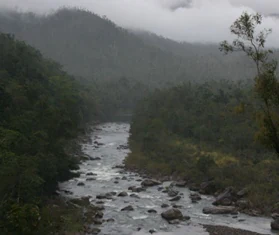
The landscape of Tully Gorge National Park is defined by the deep incision of the Tully River through the mountainous terrain of Far North Queensland. The river has carved a spectacular gorge with steep walls rising from the watercourse, creating a landscape of considerable vertical relief. Tully Falls marks a dramatic point where the river plunges over a 300-metre rock face, creating one of the most impressive waterfalls in Queensland. The gorge walls and surrounding terrain are heavily forested with tropical rainforest, though the falls themselves are characterized by sheer rock faces that stand in contrast to the green vegetation surrounding them. The park encompasses the broader catchment area and associated landscape features that contribute to the gorges dramatic character.
Tully Gorge National Park ecosystems, habitats, and plant life
Tully Gorge National Park sits within the Wet Tropics of Queensland, a globally significant bioregion known for its exceptional plant and animal diversity. The parks diverse habitats range from riparian zones along the Tully River to steep rainforest-covered slopes and rocky cliff faces. The tropical rainforest environment supports an array of species adapted to the warm, wet conditions of northern Queensland. The park forms part of the Wooroonooran Important Bird Area, recognized by BirdLife International for its significance to endemic bird species. The combination of intact rainforest, clean watercourses, and protected status provides important habitat connectivity within the broader Wet Tropics landscape.
Tully Gorge National Park wildlife and species highlights
The wildlife of Tully Gorge National Park is particularly significant due to the parks location within the Wet Tropics of Queensland, a region renowned for its high levels of endemism. As part of the Wooroonooran Important Bird Area, the park supports populations of bird species found nowhere else on Earth, including several species restricted to Queenslands wet tropics. The diverse habitats from riverine environments to rainforest canopy support varied wildlife communities. While specific species details are limited in available sources, the parks Important Bird Area designation indicates significant avifauna populations, particularly species associated with intact tropical rainforest.
Tully Gorge National Park conservation status and protection priorities
Tully Gorge National Park contributes to the conservation of one of Earths most biologically significant regions. The Wet Tropics of Queensland is recognized internationally as a biodiversity hotspot, and protected areas like Tully Gorge form essential nodes within the regional conservation network. The parks designation as part of the Wooroonooran Important Bird Area demonstrates its specific importance for bird conservation, with BirdLife International identifying it as supporting populations of endemic species. The long-standing protected status since 1923 has helped maintain the landscapes integrity, preserving both its scenic values and ecological functions within the broader regional ecosystem.
Tully Gorge National Park cultural meaning and human context
The Tully Gorge area lies within the traditional country of the Jirrbal people, an Indigenous Australian group with historical connections to the lands and waterways of the Wet Tropics region. The Tully River and gorge landscape would have held cultural significance for local Aboriginal communities, as rivers and prominent landscape features often feature in Indigenous heritage and traditional knowledge. Ravenshoe, the nearby town that provides access to the park, was established as a timber-getting settlement and later became a service centre for the surrounding agricultural and mining areas.
Top sights and standout views in Tully Gorge National Park
The central highlight of Tully Gorge National Park is the spectacular Tully Falls, a 300-metre waterfall that thunders over sheer rock walls during the wet season. The Tully Gorge Lookout provides visitors with views of the waterfall and the deep gorge below. An 800-metre walking track leads walkers to the Tully River above the falls, allowing close appreciation of the rivers power and the surrounding rainforest. The parks location within the Wet Tropics of Queensland provides a backdrop of pristine tropical rainforest that enhances the dramatic gorge landscape. The Important Bird Area designation adds ecological significance to the visitor experience.
Best time to visit Tully Gorge National Park
The best time to visit Tully Gorge National Park depends on what visitors wish to experience. The wet season, typically from November to April, brings the flowing waterfall as the Tully River swells with rainfall, creating the spectacular cascade that defines the parks most famous view. However, the wet season also means the waterfall is at its most impressive, and the surrounding rainforest is at its most verdant. The dry season may offer easier access and clearer conditions, though visitors should note that Tully Falls may not flow during this period. The dramatic rock walls and gorge remain impressive year-round, and the rainforest maintains its appeal in all seasons.
