Why Western Area Peninsula National Park stands out
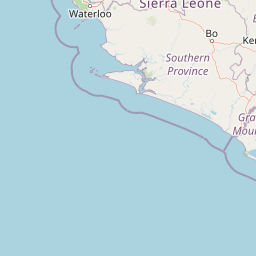
Western Area Peninsula National Park is best known for its dense coastal rainforest ecosystem, which represents one of the last remaining extensive forest areas in the Western Area of Sierra Leone. The park is particularly recognized for its biodiversity significance within the Upper Guinea forest zone, supporting populations of primates including chimpanzees and various monkey species, as well as a diverse array of birdlife. The peninsula's location along the Atlantic coast provides dramatic scenery where forested slopes meet rocky shores and coastal viewpoints offer panoramic views. The park also serves as an important watershed, protecting water catchments that supply communities on the peninsula.
Western Area Peninsula National Park history and protected-area timeline
Western Area Peninsula National Park was established as a protected area to conserve the remaining tracts of coastal forest in Sierra Leone's Western Area, a region that has experienced significant ecological transformation due to human activity. The park's establishment reflected growing recognition of the need to protect the peninsula's forest cover, which had been diminished by decades of agricultural expansion, logging, and settlement. As one of Sierra Leone's designated national parks, it falls under the management framework of the country's protected area authority. The park's history is intertwined with the broader story of forest conservation in Sierra Leone, where extensive lowland forests once covered much of the coastal regions but have been reduced to scattered remnants by development pressures.
Western Area Peninsula National Park landscape and geographic character
The landscape of Western Area Peninsula National Park is characterized by a dramatic combination of forested hills descending sharply toward the Atlantic coast. The terrain features steep slopes and narrow valleys, with elevation changes that create diverse microhabitats within the forest. Rocky headlands and coastal cliffs mark where the land meets the sea, providing scenic vistas and coastal access points. The forest canopy is typically dense and multilayered, with emergent trees rising above the general canopy level. Streams and small watercourses flow down from the ridges, cutting through the forest and providing water resources for both wildlife and downstream communities. The peninsula's position at the interface between land and ocean creates a distinctive landscape where tropical forest meets coastal ecosystems.
Western Area Peninsula National Park ecosystems, habitats, and plant life
The nature of Western Area Peninsula National Park is defined by its coastal rainforest ecosystem, which belongs to the Upper Guinea Forest region of West Africa. This forest type is characterized by high species diversity and a high degree of endemism, with many species found nowhere else on Earth. The vegetation structure includes tall trees with buttressed roots, epiphytes, and a diverse understory of shrubs, seedlings, and ferns. The park's elevation range supports different forest communities, from lowland rainforest in the valleys to more montane-adapted species at higher elevations. The forest plays a critical role in watershed protection, regulating water flow and protecting soils on the steep slopes from erosion. Despite its relatively small size compared to other West African forests, the park maintains important ecological functions as a refuge for forest-dependent species.
Western Area Peninsula National Park wildlife and species highlights
Western Area Peninsula National Park supports populations of several primate species that are characteristic of West African rainforests, including various monkey species and populations of chimpanzees that persist in the forest remnants. The park's avifauna is diverse, with numerous bird species recorded including forest-dwelling birds and species that utilize the coastal environment. The diverse insect communities, particularly butterflies and other invertebrates, contribute to the park's ecological complexity. Small mammals including duikers and other forest antelopes inhabit the understory, while predators such as civets and genets occupy higher trophic levels. The combination of forest and coastal habitats supports species that utilize both environments, creating a mosaic of wildlife communities across the peninsula.
Western Area Peninsula National Park conservation status and protection priorities
Western Area Peninsula National Park represents an important conservation priority for Sierra Leone as one of the last remaining substantial forest areas in the Western Area region. The park is part of national efforts to preserve the country's biodiversity heritage, which has suffered significant losses due to deforestation and habitat fragmentation across the country. Conservation challenges include managing the pressure from surrounding populations who depend on forest resources, addressing illegal logging and agricultural encroachment, and maintaining connectivity for wildlife populations. The park's protected status provides a legal framework for conservation, though effective management requires resources and ongoing vigilance. The Upper Guinea Forest ecosystem is globally recognized as a biodiversity hotspot, making the park's conservation role significant beyond national boundaries.
Western Area Peninsula National Park cultural meaning and human context
The Western Area Peninsula is home to communities whose relationship with the landscape predates the establishment of the protected area. The peninsula has historically been an important area for settlement and resource use, with fishing communities along the coast and agricultural communities in the interior. The forest has provided various ecosystem services to local populations, including water, building materials, and non-timber forest products. The establishment of the park created a protected area that overlaps with traditional land use patterns, requiring ongoing efforts to balance conservation objectives with the needs of local communities. The peninsula's proximity to Freetown also means that the park serves as a recreational and educational resource for the capital's residents.
Top sights and standout views in Western Area Peninsula National Park
The defining highlight of Western Area Peninsula National Park is its role as a remnant of the once-extensive coastal forests that covered the Western Area of Sierra Leone, offering a glimpse of the original forest ecosystem that characterized this region. Visitors and researchers encounter a landscape where dense forest covers steep terrain, creating a green corridor that extends from the interior to the coast. The park provides habitat for species of conservation concern, particularly primates and forest birds, within a relatively accessible location relative to Freetown. The coastal portions of the park offer scenic landscapes where forest meets shore, with opportunities to experience the Atlantic coast from a forested peninsula. The park's function as a watershed protects water resources for communities across the peninsula, adding an ecosystem service dimension to its conservation value.
Best time to visit Western Area Peninsula National Park
The best time to visit Western Area Peninsula National Park falls during the dry season from November to April, when rainfall is reduced and trail conditions are more favorable for exploration. The dry months offer clearer views from elevated points within the park and more comfortable conditions for hiking through the forest. The wet season from May to October brings higher rainfall, which can make trails slippery and access more difficult, though the forest is at its lushest during this period. Wildlife viewing may be more productive during the dry season when animals concentrate around water sources. Visitors should be aware that the park's accessibility can be affected by seasonal weather patterns and that conditions may vary from year to year.