Why Zembra National Park stands out
Zembra National Park is best known for its exceptional birdlife, particularly as a nesting site for the endangered Eleonora's falcon and a critical waypoint for migratory birds traversing the Mediterranean. The island's cliffs support significant populations of seabirds, while its isolated position makes it a biodiversity hotspot in the region. The park is also recognized for its preserved Mediterranean maquis ecosystem and the presence of several plant species endemic to the island.
Zembra National Park history and protected-area timeline
Zembra Island has long been recognized for its ecological significance, with historical records indicating that local communities understood the island's unique biodiversity long before formal protection measures were implemented. The establishment of Zembra National Park reflected Tunisia's broader commitment to conservation during the late twentieth and early twenty-first centuries. The park was designated as part of a network of protected areas aimed at preserving the country's most significant natural habitats and species. Prior to national park status, the island benefited from various protection regimes that limited development and preserved its wild character.
Zembra National Park landscape and geographic character
Zembra Island presents a dramatic Mediterranean landscape dominated by limestone formations that create a rugged, mountainous terrain rising sharply from the sea. The island's topography features steep coastal cliffs that plunge into the Mediterranean, interspersed with smaller coves and rocky shorelines. Inland, the terrain transitions to rocky slopes covered in Mediterranean maquis, with occasional flat areas supporting more diverse vegetation. The island lacks permanent freshwater streams, with rainfall instead collecting in seasonal pools that provide vital water sources for wildlife during the drier months. The surrounding marine environment includes clear waters with extensive seagrass meadows and rocky substrates supporting diverse marine life.
Zembra National Park ecosystems, habitats, and plant life
The ecological character of Zembra National Park reflects its position as an isolated Mediterranean island with limited human disturbance. The terrestrial vegetation is dominated by Mediterranean maquis, a dense shrubland community adapted to the region's climate and featuring species such as juniper, myrtle, and various aromatic herbs. The island supports several plant species found nowhere else in the world, a testament to its long-term isolation and unique ecological conditions. The marine environment surrounding the island includes important Posidonia oceanica seagrass beds, which are critical for marine biodiversity and ecosystem function in the Mediterranean. These underwater meadows provide habitat for numerous fish species and contribute to water clarity and quality.
Zembra National Park wildlife and species highlights
Zembra National Park supports remarkable wildlife populations, with birds being the most notable group. The island serves as a significant breeding site for Eleonora's falcon, a species that winters in Madagascar and breeds in Mediterranean islands during the summer months. The coastal cliffs provide nesting habitat for various seabird species, while the island's position along major migratory routes makes it an important stopover for birds traveling between Europe and Africa. The terrestrial fauna includes several reptile species adapted to the Mediterranean environment, as well as small mammals that have colonized the island over time. The surrounding marine waters support diverse fish communities and occasional marine mammals.
Zembra National Park conservation status and protection priorities
The establishment of Zembra National Park reflects recognition of the island's exceptional conservation value, both as a site for endemic species and as a living example of Mediterranean island ecosystems. The park's protected status helps ensure that development pressures remain minimal and that ecological processes continue to function naturally. Conservation efforts focus on maintaining the island's ecological integrity by managing visitor access and monitoring wildlife populations. The protection of surrounding marine waters is equally important, as the health of terrestrial and marine ecosystems is interconnected. The park contributes to regional conservation goals by providing habitat for species that depend on Mediterranean island environments.
Zembra National Park cultural meaning and human context
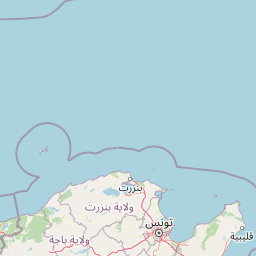
Zembra Island has been part of the regional maritime cultural landscape for centuries, with historical connections to coastal communities in Tunisia. While the island has no permanent human population today, historical references indicate that it was used for various purposes over the centuries, including as a reference point for navigation in the Gulf of Tunis. The island's name and its place in local geography reflect the long relationship between human communities and this Mediterranean landscape. The park's establishment has reinforced the island's conservation identity while recognizing its place in the broader cultural geography of the Tunisian coast.
Top sights and standout views in Zembra National Park
The most outstanding highlights of Zembra National Park include its dramatic cliff landscapes that provide breathtaking views of the Mediterranean, its exceptional bird populations including breeding Eleonora's falcons, the presence of endemic plant species found nowhere else on Earth, and the opportunity to experience a Mediterranean island ecosystem in a relatively pristine state. The underwater marine environment offers additional appeal, with clear waters and seagrass meadows visible from the island's shores. The sense of isolation and wilderness, rare in the heavily populated Mediterranean region, makes the park particularly valuable for those seeking to experience natural environments.
Best time to visit Zembra National Park
The optimal time to experience Zembra National Park corresponds with the bird breeding season, when the island's wildlife activity is most observable and the weather conditions are comfortable for outdoor exploration. Spring and early summer bring Migratory birds and breeding seabirds, creating opportunities for wildlife observation. The Mediterranean climate means that autumn and winter months can also be pleasant, though conditions may be cooler and some species less active. The park's accessibility may vary with seasonal weather patterns affecting marine conditions, and visitors should consult current conditions before planning trips.