
Why Archipiélago de Juan Fernández National Park stands out
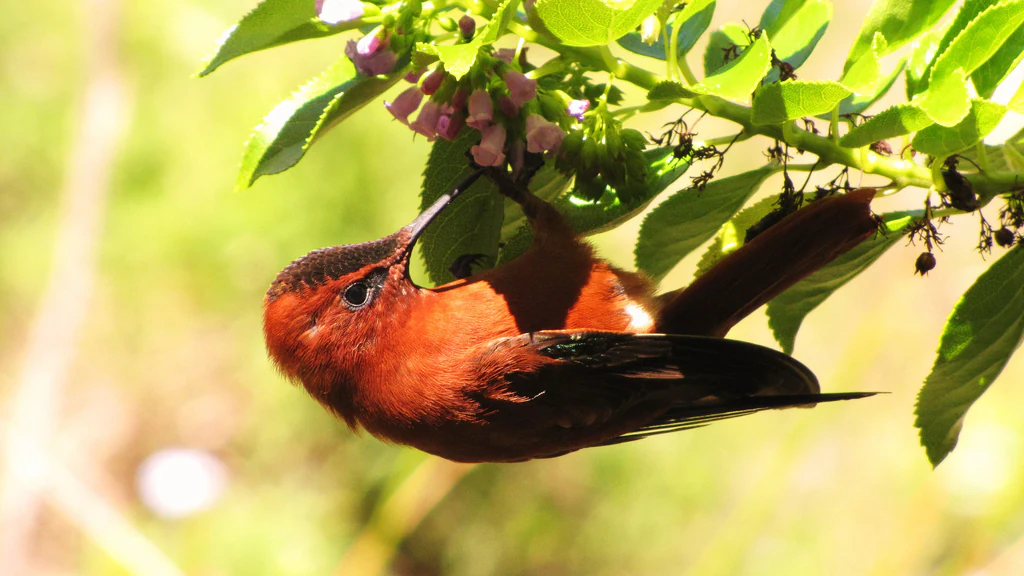
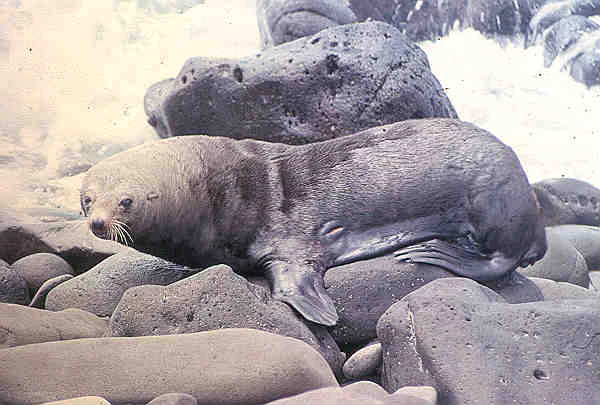
The park is best known for its extraordinary level of endemism, being one of the world's most biologically isolated island ecosystems. It protects the critically endangered Juan Fernández firecrown, a hummingbird found nowhere else on Earth with a population of approximately 500 individuals. The archipelago serves as the entire global breeding grounds for two threatened petrel species and hosts significant seabird colonies. The volcanic islands contain ancient endemic plant lineages related to southern South America, New Zealand, and Australia, including the endemic family Lactoridaceae. The park also preserves the world's only population of the Juan Fernández fur seal, which was rediscovered in 1965 after being thought extinct and has since recovered to several thousand individuals.
Archipiélago de Juan Fernández National Park history and protected-area timeline
The Juan Fernández Archipelago was discovered by Spanish navigator Juan Fernández in 1574, and the islands later became famous as the real-life inspiration for Daniel Defoe's novel Robinson Crusoe. The islands remained relatively isolated for centuries, with limited settlement and exploitation. Recognition of the islands' extraordinary biological importance came relatively early, leading to the establishment of the national park in 1935, one of Chile's first protected areas. In 1977, the archipelago received additional international recognition when UNESCO designated it a Biosphere Reserve, acknowledging the global significance of its endemic species and evolutionary isolation. The Chilean government further protected the islands' subsurface resources in 1989 through a decree establishing the park as a place of scientific interest for mining purposes, adding another layer of environmental protection. The history of human presence has also introduced invasive species that continue to pose conservation challenges, with feral goats, rats, and other introduced animals threatening native ecosystems.
Archipiélago de Juan Fernández National Park landscape and geographic character
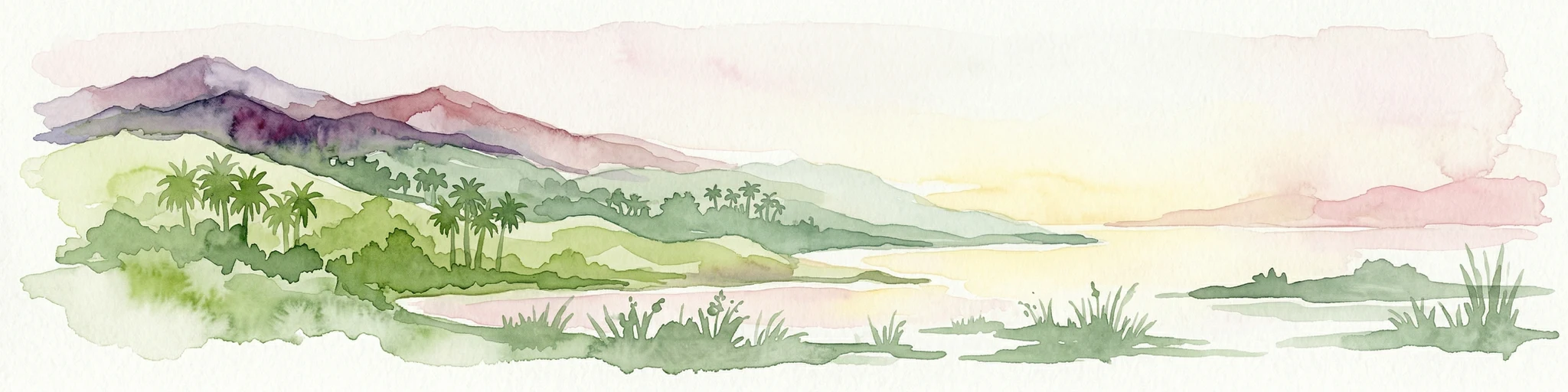
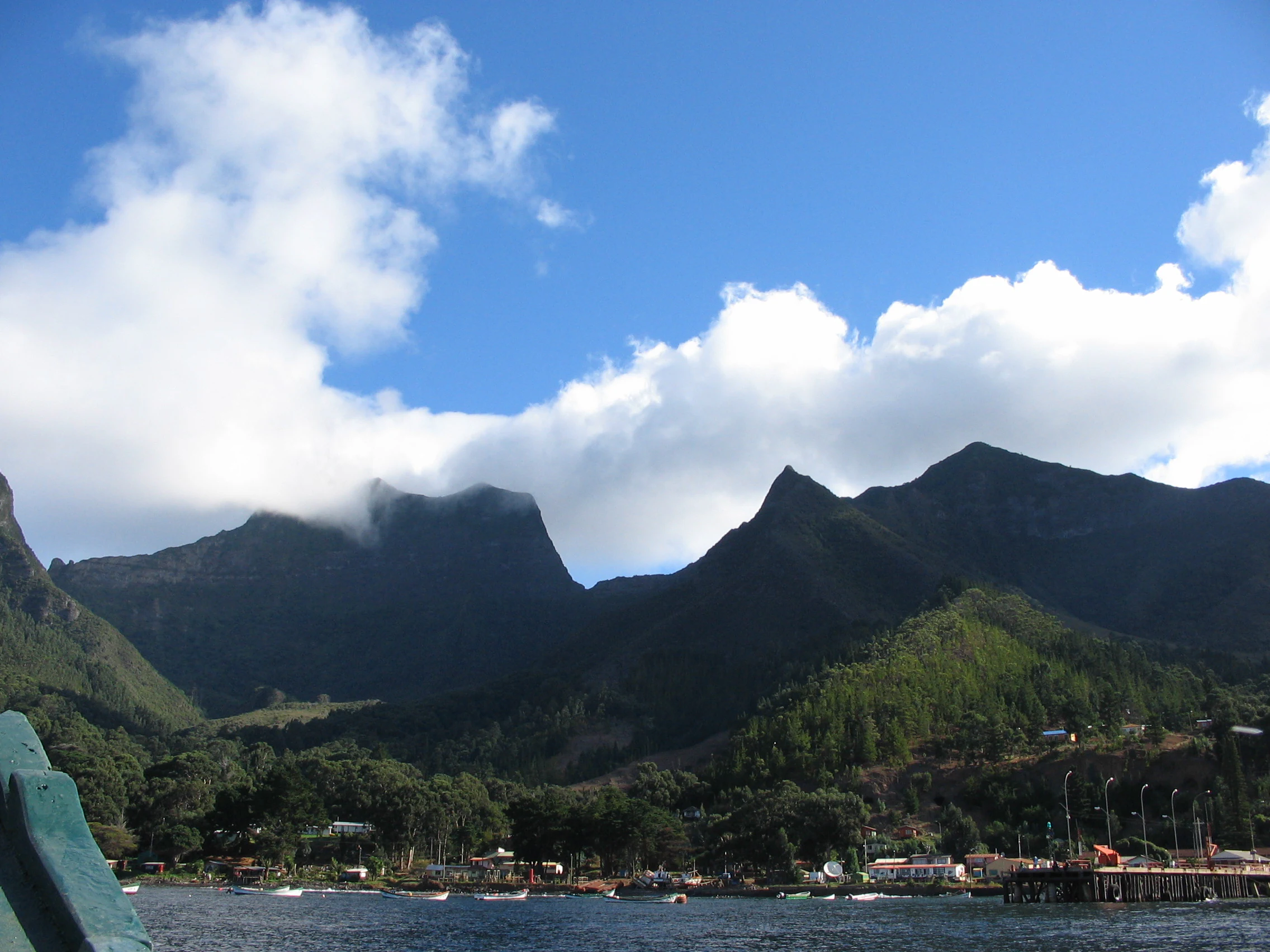
The park encompasses dramatic volcanic island landscapes characterized by steep mountainous terrain, deep ravines, and rugged coastlines. Robinson Crusoe Island, the largest in the archipelago, rises sharply from the ocean with a central mountain peak exceeding 900 meters in elevation. The island's topography features numerous quebradas (wooded ravines) that descend from the central highlands to the coast. Alejandro Selkirk Island is similarly mountainous, with grassland dominating lower elevations while upper slopes support forest and scrub vegetation. Santa Clara is the smallest of the three main islands and is covered primarily with grassland. The volcanic origins of these islands are evident in the dramatic cliffs, rocky shores, and the absence of extensive sandy beaches. The marine environment surrounding the islands features clear waters, rocky reefs, and significant submerged地形, supporting diverse marine life. Elevation zones on the islands create distinct vegetation bands, from coastal grasslands through forest zones to alpine shrubland at the highest points.
Archipiélago de Juan Fernández National Park ecosystems, habitats, and plant life
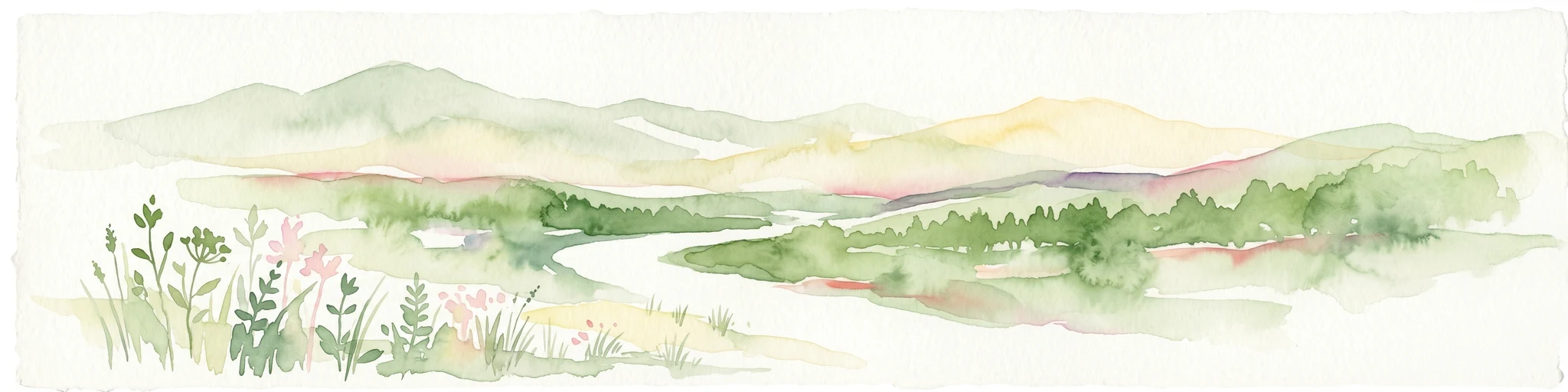
The Juan Fernández Archipelago represents a distinct ecoregion characterized by extraordinary endemism resulting from millions of years of geographic isolation. The islands contain 209 native vascular plant species, with approximately 62 percent found nowhere else on Earth, including 12 endemic genera and the sole endemic plant family Lactoridaceae. This exceptional level of endemism places the archipelago among the world's most important island biodiversity hotspots. Plant communities follow distinct elevation patterns, with grasslands and shrublands at lower elevations, transitioning through forest zones dominated by endemic species like Drimys confertifolia, Nothomyrcia fernandeziana, and Myrceugenia schulzei, to alpine vegetation at higher elevations. Tree fern forests of the endemic Dicksonia species characterize the upper forest zones. The vegetation shows clear biogeographic connections to southern South America, with relatives found in the temperate rainforests of Chile and the Magellanic subpolar forests, as well as to New Zealand and Australia through the Antarctic flora. The islands' volcanic soils and varied microclimates support this remarkable plant diversity despite the limited land area.
Archipiélago de Juan Fernández National Park wildlife and species highlights
The Juan Fernández Islands support a distinctive fauna characterized by the absence of native land mammals, reptiles, or amphibians, reflecting the islands' extreme isolation. The park is critically important for seabirds, hosting the entire known global breeding populations of Stejneger's Petrel and the Juan Fernández Petrel, both classified as vulnerable. The islands support three fully endemic bird species: the Juan Fernández firecrown (a large hummingbird and one of the world's rarest), the Juan Fernández tit-tyrant, and the Masafuera rayadito. The Juan Fernández firecrown, with a population of approximately 500 individuals, represents one of the most threatened birds in the Americas. Marine mammals are well represented, with the Juan Fernández fur seal having recovered from near extinction in the 1960s to several thousand individuals today. The endemic Juan Fernández spiny lobster inhabits the surrounding marine waters. However, introduced species including goats, rats, mice, and feral cats pose significant threats to native wildlife through predation and habitat destruction.
Archipiélago de Juan Fernández National Park conservation status and protection priorities
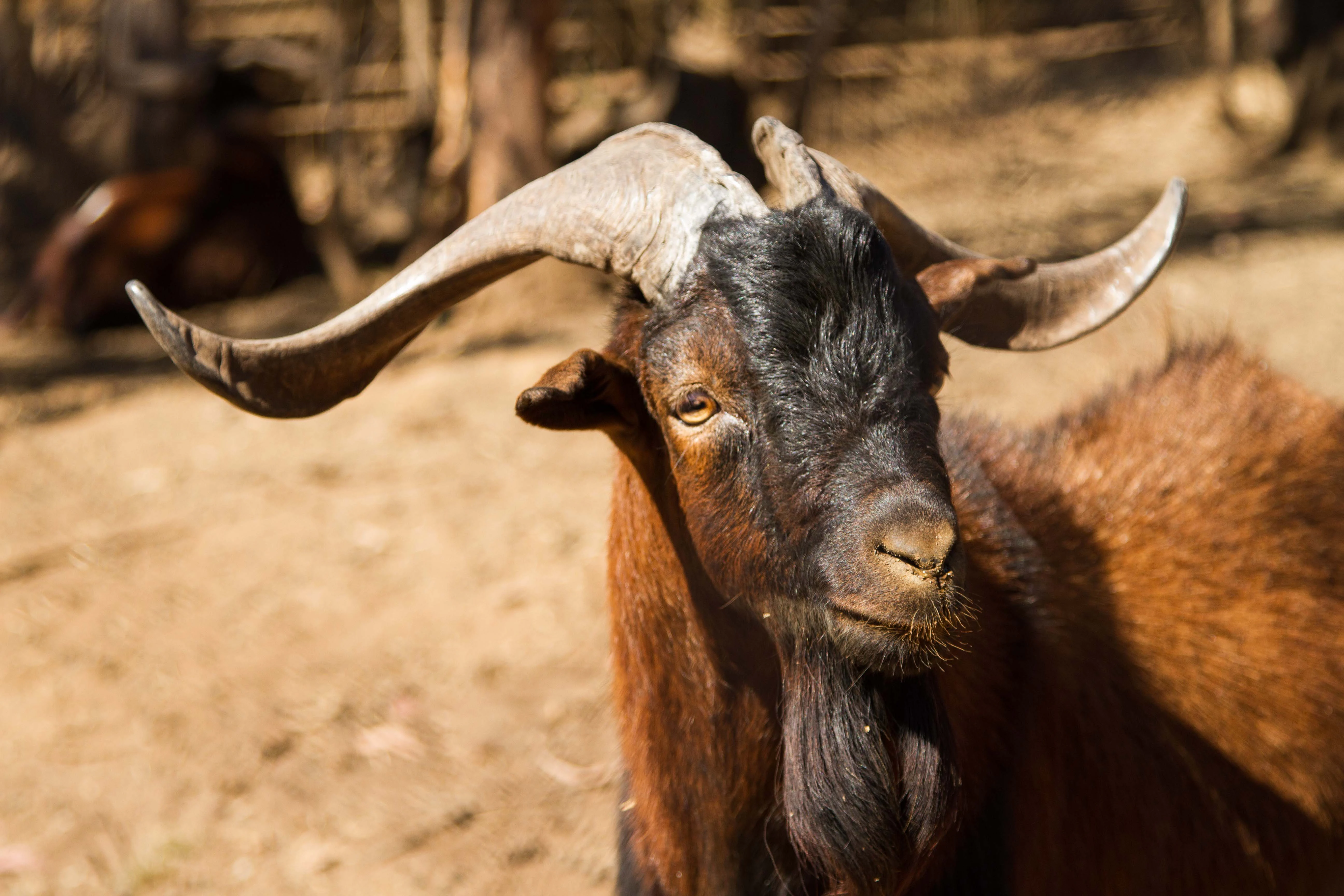
The park's conservation significance is recognized internationally through its UNESCO Biosphere Reserve designation and its status as an Important Bird Area. The extreme endemism means that many species exist nowhere else, making the park critical for global biodiversity conservation. Several species are listed as endangered or threatened, including the Juan Fernández firecrown and the endemic petrels that breed exclusively on these islands. Conservation challenges include invasive species control, particularly managing feral goat populations that have transformed much of the island vegetation and threaten native plant species. The Juan Fernández Goat, descended from domestic animals left by early explorers, has been particularly destructive to endemic vegetation. CONAF carries out ongoing invasive species management programs targeting goats, rats, mice, thrushes, sparrows, and feral cats. The protection of the park's subsurface as a place of scientific interest for mining purposes provides additional environmental safeguards. The recovery of the Juan Fernández fur seal from near extinction demonstrates the potential for successful conservation when threats are addressed.
Archipiélago de Juan Fernández National Park cultural meaning and human context
The Juan Fernández Archipelago carries significant cultural weight due to its association with Daniel Defoe's novel Robinson Crusoe, making it one of the world's most famous islands through literature. The story was inspired by the real-life experiences of Alexander Selkirk, a Scottish sailor who was marooned on what is now Alejandro Selkirk Island from 1704 to 1709, surviving alone for over four years. This historical connection has shaped the islands' identity and continues to influence how they are perceived internationally. The islands have been inhabited intermittently since their discovery, with small communities developing on Robinson Crusoe Island. The Chilean Navy maintains a presence, and the islands are served by periodic flights from Santiago and occasional naval vessel visits. The isolation and literary history contribute to a strong sense of place among residents, while also creating unique challenges for conservation and sustainable development.
Top sights and standout views in Archipiélago de Juan Fernández National Park
The park's standout features include its extraordinary endemism with over 60 percent of plant species found nowhere else, the critically endangered Juan Fernández firecrown hummingbird, and the globally important seabird colonies supporting vulnerable petrel species. The dramatic volcanic island landscapes with their steep mountains, deep ravines, and clear marine waters create a visually striking environment. The recovery story of the Juan Fernández fur seal demonstrates successful conservation. The UNESCO Biosphere Reserve status reflects international recognition of the islands' global biodiversity significance. The literary connection to Robinson Crusoe adds a unique cultural dimension that distinguishes this park from other protected areas.
Best time to visit Archipiélago de Juan Fernández National Park
The islands experience a subtropical climate with a distinct dry season during the warmer summer months (roughly November through March) and wetter winter conditions. The best time to visit depends on interests: summer months typically offer more stable weather and easier access to outdoor activities, while winter brings higher rainfall particularly at higher elevations. The Humboldt Current influences the climate year-round, moderating temperatures and creating the unique Mediterranean-influenced subtropical conditions. Visitors should note that access to the islands is limited, with weekly flights from Santiago and occasional naval ship visits. The small scale of operations means that visitor numbers remain low throughout the year, creating an intimate experience with nature but requiring advance planning.