
Why Ba Bể National Park stands out
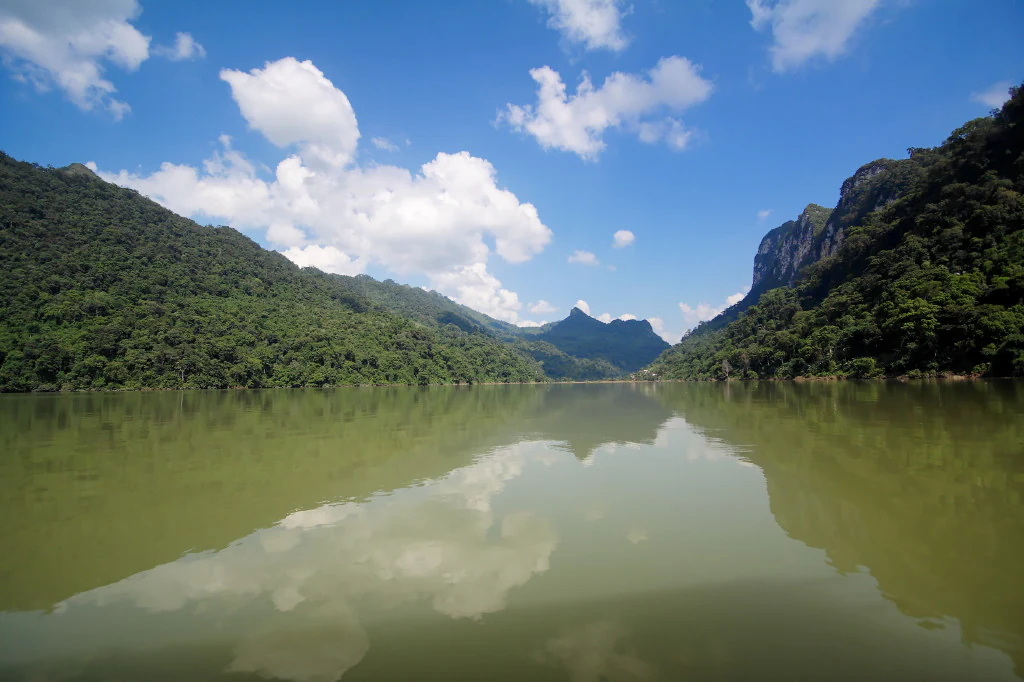
Ba Bể National Park is best known for protecting Ba Bể Lake, Vietnam's largest and highest natural freshwater lake, which is a rare example of a perennial karst lake that never dries. The park's limestone karst landscape features dramatic cliffs, the impressive Puong Cave where the Nang River flows through, and the Dau Dang waterfall with its sequence of rapids stretching nearly a kilometer. The park protects significant populations of rare primates including François' langur, as well as diverse wildlife such as Asian black bear, Owston's palm civet, and the Vietnamese salamander. The cave systems, particularly Puong Cave with its population of 5,000 to 10,000 bats representing 18 species, add another dimension to the park's ecological significance.
Ba Bể National Park history and protected-area timeline
Ba Bể National Park was established in 1992 to protect the Ba Bể Lake ecosystem and surrounding forested landscapes. The park covers an area of 100.48 square kilometers and was designated as a Ramsar Wetland of International Importance on February 2, 2011, recognizing its significant ecological functions particularly as a wetland ecosystem. An ecological research station was opened within the park in 2004 to support scientific study and monitoring. The park infrastructure includes an information center, guest houses, and a lake management station that supports both visitor services and conservation activities. The designation as a Ramsar site elevated the park's international conservation profile and brought additional attention to the need for sustainable management of its wetland resources.
Ba Bể National Park landscape and geographic character
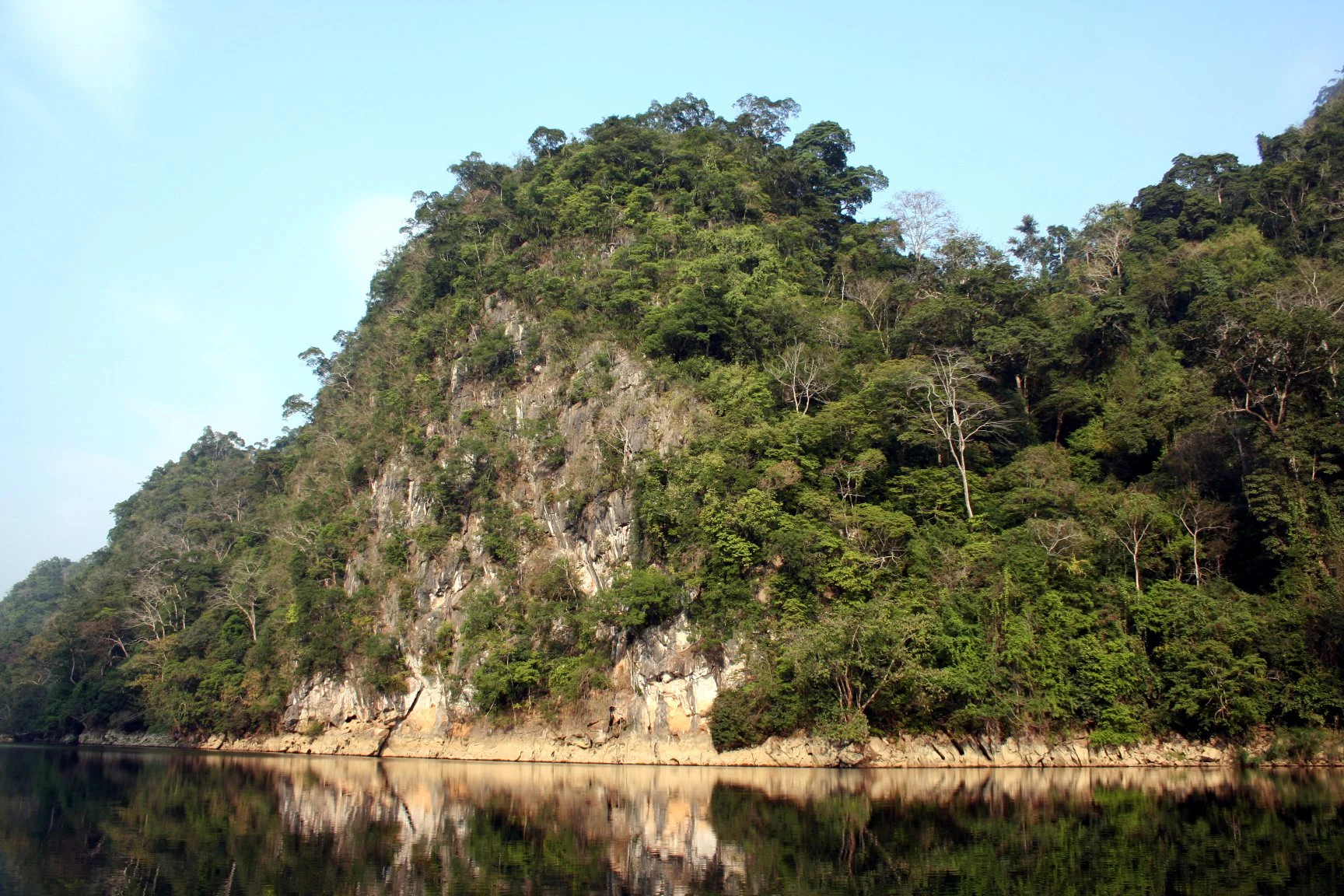
The physical landscape of Ba Bể National Park is defined by its karst limestone terrain, creating a visually striking environment of steep cliffs, rocky outcrops, and forested slopes descending to the lake shore. Ba Bể Lake occupies a significant portion of the park, stretching approximately 8 kilometers north to south with a surface area that varies between 3 and 5 square kilometers depending on season. The lake's three named sections, Pe Leng, Pe Lu, and Pe Lam, form a continuous water body framed by limestone hills. Puong Cave in the northern part of the park is a major geological feature, with a main chamber reaching 50 meters in height and extending about 300 meters in length, through which the Nang River flows. The Dau Dang Waterfall consists of a sequence of rapids along the Nang River, stretching nearly one kilometer in length. Widow Island, a small cone-shaped islet, rises near the center of the southern portion of the lake, adding to the scenic diversity.
Ba Bể National Park ecosystems, habitats, and plant life
The park's ecological character is shaped by the intersection of limestone and evergreen forest ecosystems. Limestone forest covers steep mountain slopes where thin soil restricts vegetation to more specialized species, while evergreen forest in areas with deeper soil supports higher species diversity. Dominant tree species in the limestone forest include Burretiodendron hsienmu and Streblus tonkinensis. Climbing bamboo, a regional endemic plant, is common on hill slopes near the lake shore. The lake's hydrology is remarkable for a karst area, as Ba Bể Lake maintains water year-round despite typical limestone terrain that often results in seasonal drying. The lake sits at approximately 150 meters above sea level and receives inflow from the Ta Han, Bo Lu, and Leng Rivers, with outflow reversing during wet seasons to buffer flooding downstream.
Ba Bể National Park wildlife and species highlights
Ba Bể National Park supports impressive biodiversity across multiple taxonomic groups. The mammal fauna includes 65 recorded species, notably the Chinese pangolin, slow loris, rhesus macaque, stump-tailed macaque, François' langur, Asian black bear, European otter, Owston's palm civet, Asian golden cat, mainland serow, and several flying squirrel species, along with 27 bat species. Bird diversity includes 233 species, while reptiles and amphibians number 43 species, including the king cobra and the Vietnamese salamander. The lake supports 106 fish species from 61 genera, 17 families, and 5 orders. The park is particularly notable for butterfly diversity, with 354 species recorded. The bat population in Puong Cave, numbering between 5,000 and 10,000 individuals representing 18 species, forms a significant component of the park's cavern-dwelling fauna.
Ba Bể National Park conservation status and protection priorities
Ba Bể National Park holds significant conservation value as a Ramsar Wetland of International Importance, designated in 2011 under the Ramsar Convention. The park protects Vietnam's largest natural freshwater lake and highest lake, representing a rare and ecologically important karst wetland system. The protected area preserves critical habitat for several threatened species including François' langur, Asian black bear, and the Vietnamese salamander. The cave systems with their substantial bat populations contribute to ecological processes beyond the park boundaries. The lake's role as a natural flood buffer provides important ecosystem services, regulating water flow and mitigating downstream flooding during wet seasons. The establishment of an ecological research station in 2004 reflects ongoing commitment to scientific monitoring and conservation management.
Ba Bể National Park cultural meaning and human context
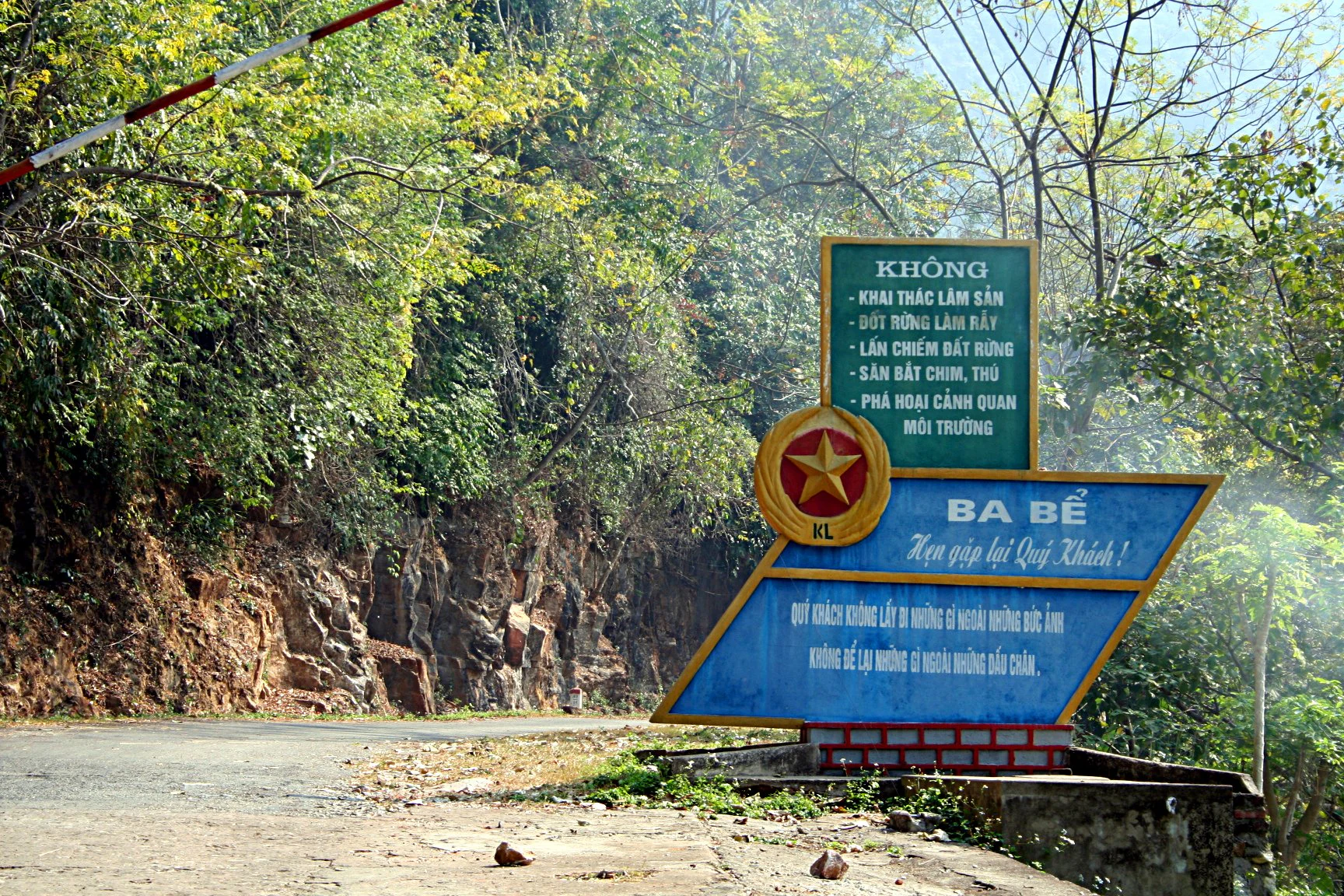
The area around Ba Bể Lake has cultural significance for local communities, particularly the Tay ethnic group. The lake's name originates from the Tay language, where Ba Bể means "Three Lakes," referencing the three connected sections of the lake. Local legend tells of Widow Island, a cone-shaped islet in the southern lake, as the former home of an elderly widow who was saved from a flood through divine intervention, giving the feature its name. The Tay people have historically inhabited the surrounding landscape, maintaining traditional relationships with the lake and its resources. These cultural connections add depth to the park's identity beyond its purely ecological values.
Top sights and standout views in Ba Bể National Park
Ba Bể National Park combines Vietnam's largest natural freshwater lake with dramatic karst limestone scenery and exceptional biodiversity. The park's Puong Cave, traversed by the Nang River and housing significant bat colonies, offers a striking underground landscape. The Dau Dang waterfall provides another scenic attraction with its nearly kilometer-long sequence of rapids. The diversity of wildlife, from François' langur and Asian black bear to 106 fish species and 354 butterfly species, reflects the ecological richness preserved within the park. The lake's unusual hydrological stability in a karst setting makes it particularly notable, as it never dries despite seasonal variations.
Best time to visit Ba Bể National Park
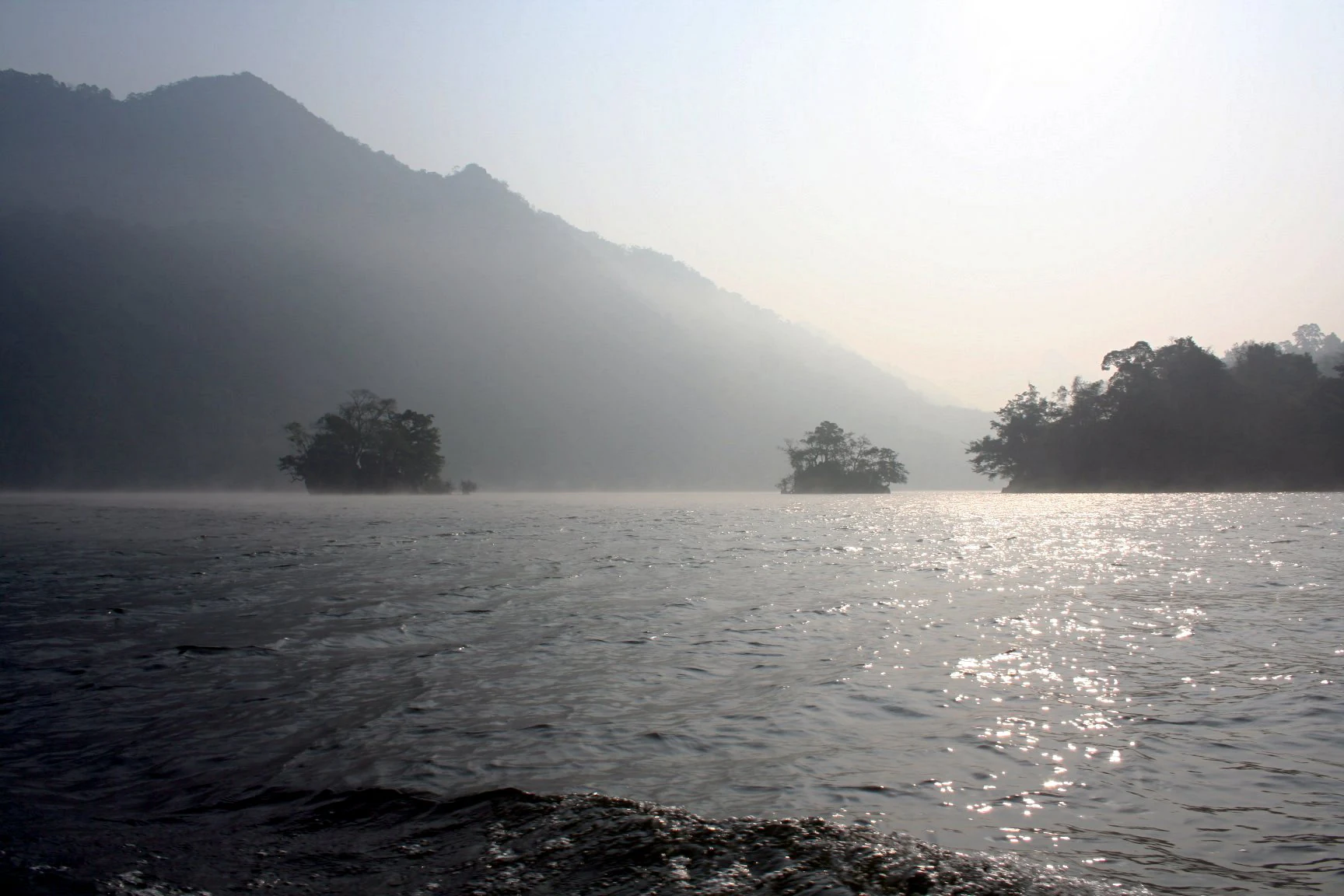
The park can be visited throughout the year, with each season offering different experiences. The wet season brings higher water levels in Ba Bể Lake and surrounding rivers, creating lusher landscapes and fuller waterfalls. Morning mist over the lake is a characteristic sight, particularly during cooler months. The dry season reveals more of the shoreline and limestone cliffs, with clearer visibility for cave exploration. Wildlife viewing opportunities exist year-round, though dry season conditions may make some species more accessible as they frequent water sources. The lake's level fluctuations between 3 and 5 square meters between seasons demonstrate the dynamic character of this karst wetland system.