
Why Bannerghatta National Park stands out
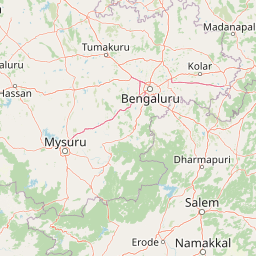
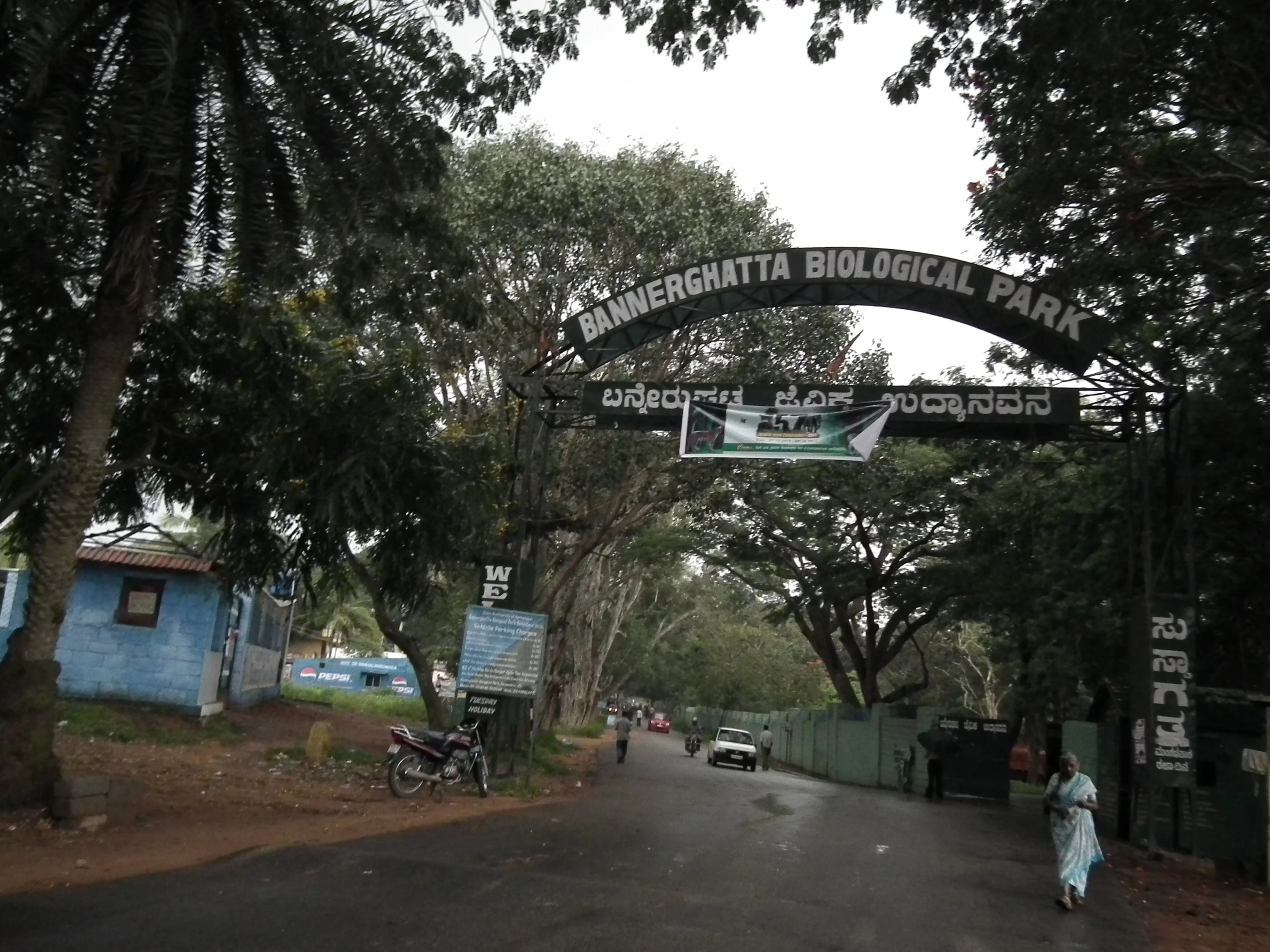
Bannerghatta National Park is best known for its tiger and elephant populations, which inhabit a landscape of granite hills and deciduous forest on Bangalore's southern doorstep. The park's wildlife corridor significance, connecting fragmented forest landscapes across Karnataka, makes it ecologically important for elephant movement between protected areas. Its combination of ancient temple sites, trekking opportunities, and a guided safari experience distinguishes it from more remote wilderness areas, while the 2002 establishment of the Bannerghatta Biological Park added a zoological component that draws additional visitors.

Bannerghatta National Park history and protected-area timeline
Bannerghatta National Park traces its formal establishment to 1970 when it was initially founded as a protected area, followed by its declaration as a national park in 1974 under India's wildlife protection framework. The area had long functioned as a wildlife habitat and forest zone before formal protection was enacted, with local communities including six villages maintaining agricultural activities within what would become the park boundaries. In 2002, a portion of the park was separated to establish the Bannerghatta Biological Park, a zoological garden that expanded the site's conservation and public education functions while maintaining the core national park designation for the larger area. The park's management falls under the Ministry of Environment and Forests at the national level, with the Government of India providing oversight, while day-to-day administration is handled by the Executive Director of the Bannerghatta Biological Park. The park has faced increasing pressures from urban expansion and agricultural conversion, with studies documenting significant forest loss in the dry deciduous areas between 1995 and 2021.
Bannerghatta National Park landscape and geographic character
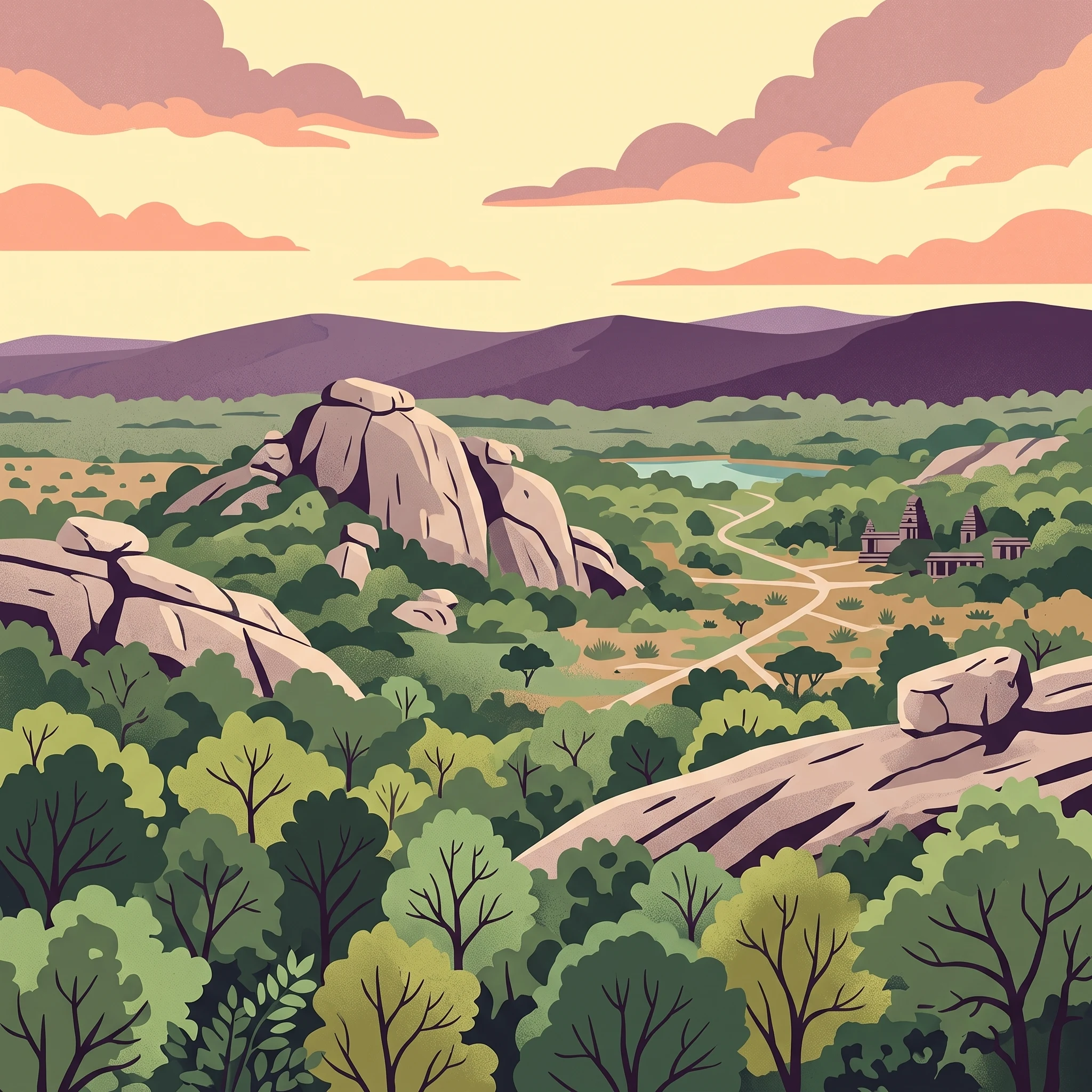
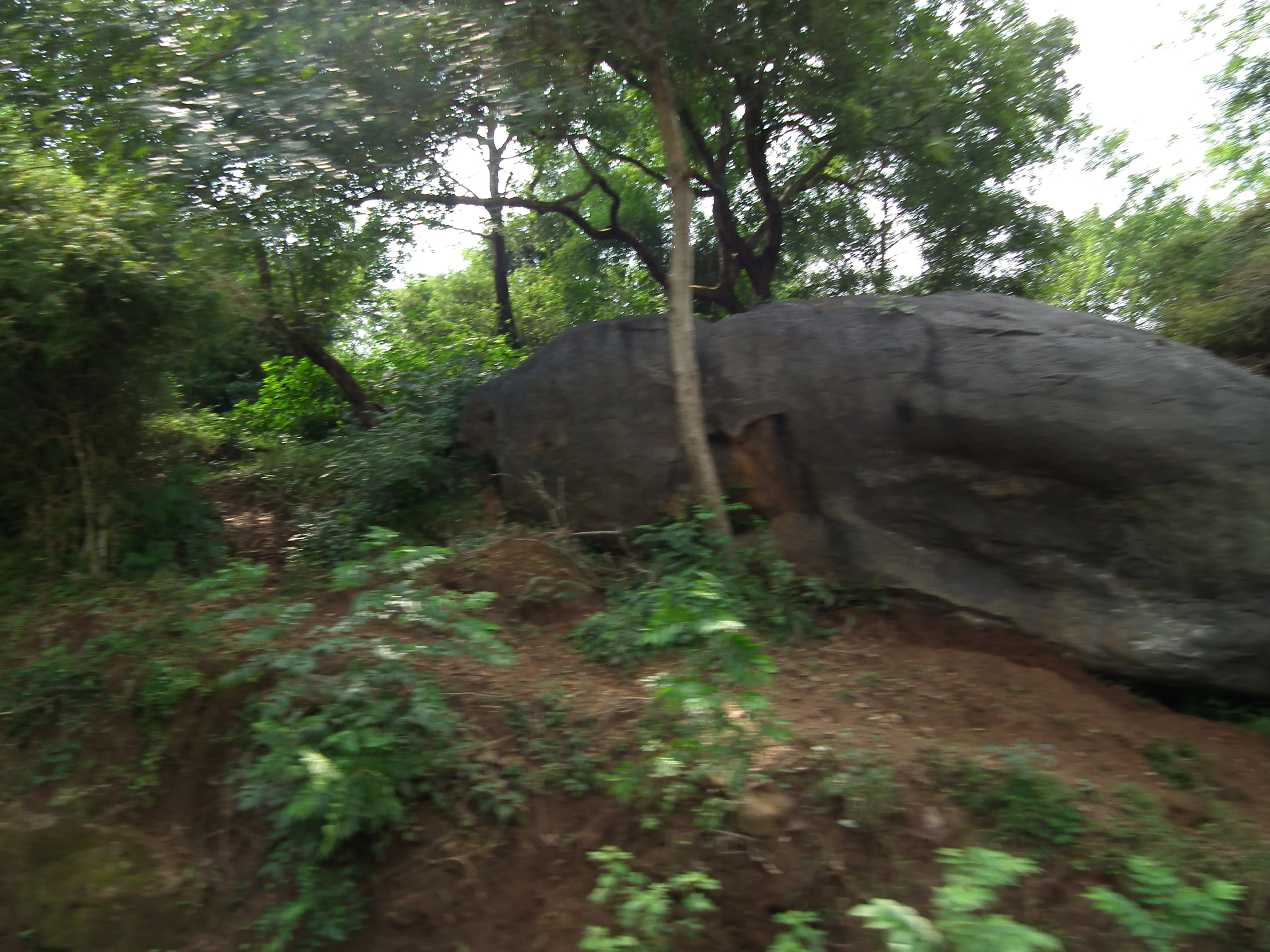
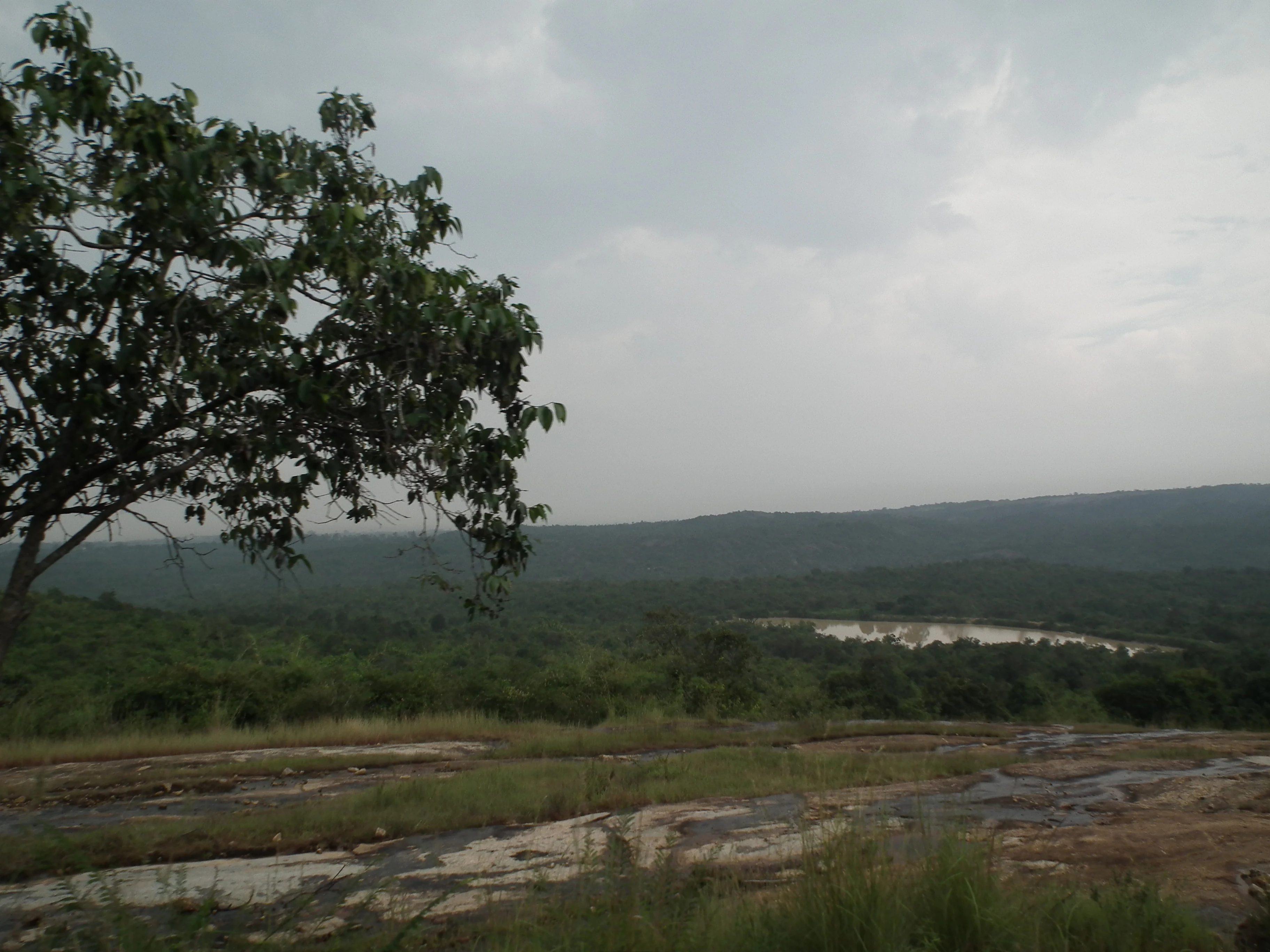
The landscape of Bannerghatta National Park centers on the granite hills of the Anekal range, a continuation of rocky terrain that characterizes much of southern Karnataka. The terrain consists of exposed granite sheets forming ridges and rocky outcrops interspersed with valleys where moisture accumulates and supports denser vegetation. Elevation varies from approximately 1245 to 1634 meters, creating a hilly terrain with varied aspect and microclimates across the park. The valley floors support moist deciduous forest characterized by taller trees and denser canopy, while the higher ridgelines and exposed areas feature scrubland with smaller trees and shrubs adapted to drier conditions. The park's drainage is served by the Suvarnamukhi stream, a perennial water source that supports wildlife especially during the dry seasons. The combination of permanent water, forest cover, and varied topography creates a heterogeneous landscape that supports diverse habitats within a relatively compact area, though much of the forest is now artificial plantation rather than old-growth vegetation.
Bannerghatta National Park ecosystems, habitats, and plant life
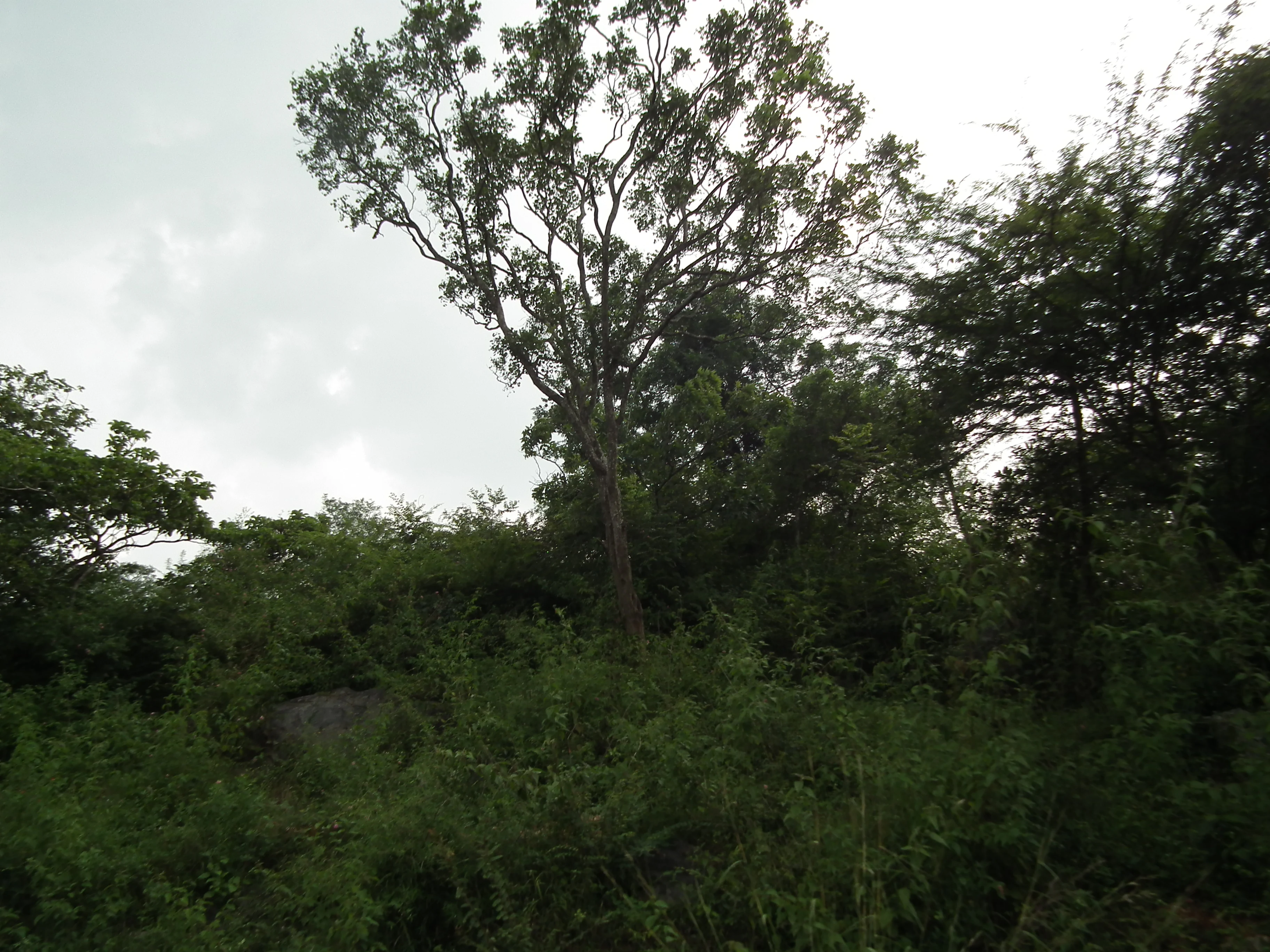
The nature of Bannerghatta National Park reflects its position in the transitional zone between moist and dry deciduous forest types in peninsular India. The park's vegetation includes species typical of southern Indian forests such as Schleichera oleosa, Terminalia tomentosa, and Terminalia arjuna in the valley areas, while sandalwood and neem appear throughout the park. Bamboo thickets occur in certain areas, and the park contains both native species and introduced plantation species including eucalyptus. The moist deciduous forest supports a more diverse community than the scrubland areas, with taller canopy trees providing habitat for arboreal species and creating stratified layers from ground-dwelling to canopy-dwelling animals. The wildlife corridor function connecting the BR Hills to Sathyamangalam represents a crucial ecological role, allowing elephants and other large mammals to move between larger forest blocks that would otherwise be isolated by agricultural and urban land. Despite pressures from surrounding development, the park maintains viable populations of several threatened species.
Bannerghatta National Park wildlife and species highlights
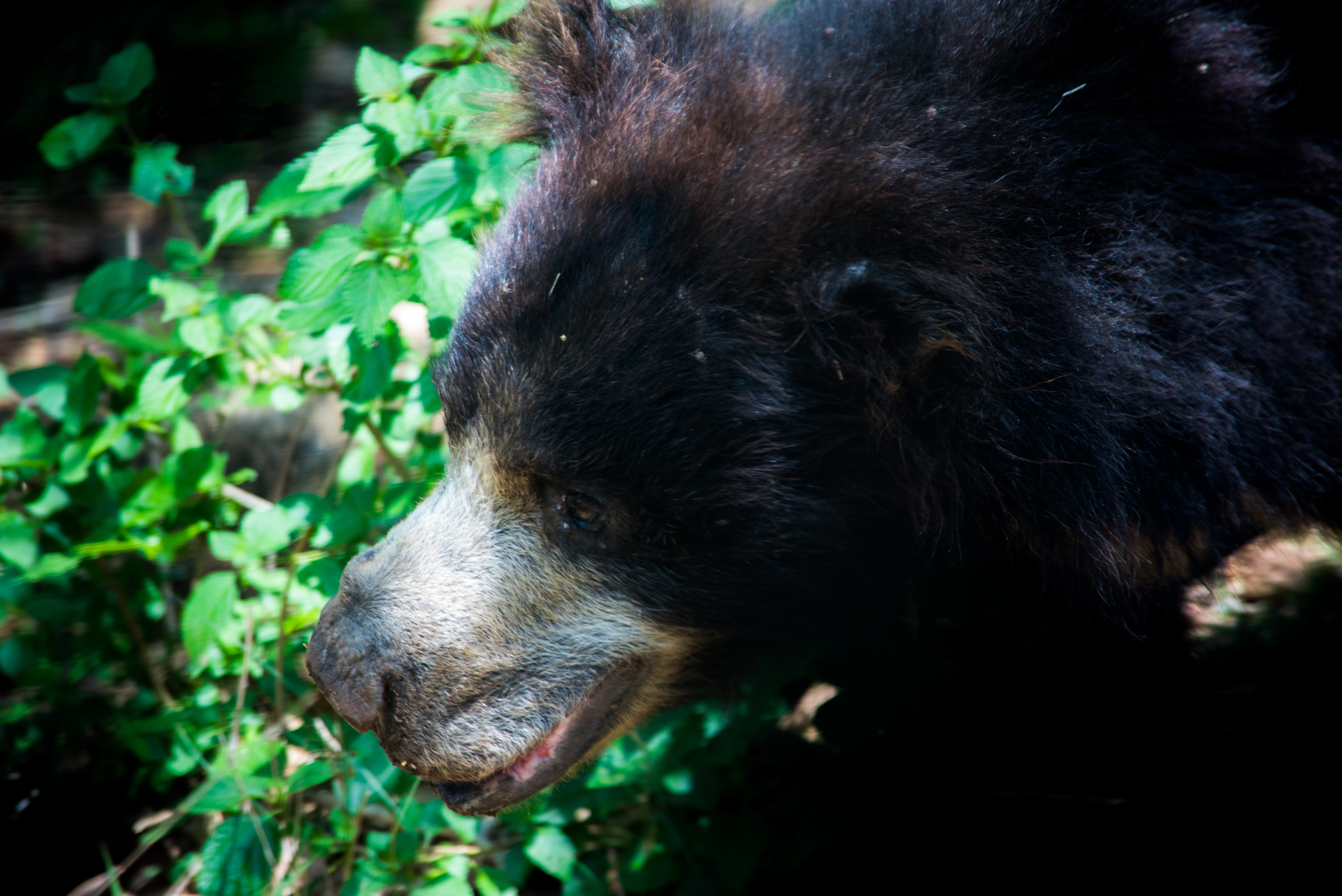
Bannerghatta National Park supports a notable assemblage of mammal species characteristic of peninsular Indian forests. The park's flagship species include the Royal Bengal tiger and Indian elephant, both present in population sizes that allow for regular sighting opportunities. Large mammals include gaur, the largest bovine in India, Indian leopards as the primary predator alongside tigers, and various cervids including spotted deer and barking deer. Sloth bears, Indian gazelles, and wild boar represent medium-sized mammals, while primates include common langur and bonnet macaque. Smaller mammals include porcupine, hare, and pangolin among the more distinctive species. The park's reptile population includes cobras, pythons, Russell's vipers, and kraits, along with monitor lizards. The avian population includes at least 101 recorded bird species, with peacock being prominent. Some exotic species including giraffes and hamadryas baboons are maintained in the zoo section rather than representing wild populations. Human-wildlife interaction incidents have occurred, including elephant deaths and leopard appearances in nearby areas.
Bannerghatta National Park conservation status and protection priorities
Bannerghatta National Park faces significant conservation challenges despite its protected status. Research has documented approximately 44 percent loss of dry deciduous forest cover within the park between 1995 and 2021, driven by uncontrolled diversion of forest land for agriculture and urban development. The park is threatened by illegal granite quarrying operations in the surrounding area, with quarries operating dangerously close to critical elephant corridors such as the Kardikal-Madeswara corridor despite a one-kilometer safe zone designation around the park boundary. Explosives used in quarry operations generate tremors affecting wildlife within at least a five-kilometer radius, and uncontrolled vehicular movement around the park adds to disturbance pressures. The wildlife corridor connecting the BR Hills and Sathyamangalam forest depends on maintaining connectivity through Bannerghatta, making the park's conservation status important for regional elephant population viability beyond its own boundaries.
Bannerghatta National Park cultural meaning and human context
Bannerghatta National Park contains ancient temples within its boundaries that remain active places of worship, anchoring the landscape with cultural and religious significance for local communities. Six villages are enclosed within the park's boundaries in three large enclosures traditionally used for sheep and cattle farming, representing human communities whose livelihoods are intertwined with the protected landscape. The coexistence of wildlife, agricultural activity, and religious sites creates a cultural landscape where nature and human activity have historically intermingled. The park's proximity to Bengaluru has made it a destination for day-trippers seeking nature experiences, trekking, and wildlife viewing, with the 2021 Malayalam film "Bannerghatta" further raising the park's profile in popular culture. This combination of ecological, agricultural, and cultural elements makes the park representative of the complex interfaces between protected areas and human communities in Indian conservation.
Top sights and standout views in Bannerghatta National Park
Bannerghatta National Park offers one of the most accessible wildlife experiences near any major Indian city, with its proximity to Bengaluru allowing visitors to encounter tigers, elephants, and leopards within a day's journey. The guided safari along six kilometers of roads provides structured wildlife viewing while the network of ancient temples adds cultural exploration opportunities. Trekking routes traverse the park's varied terrain from valley floors to granite hilltops, offering different perspectives on the landscape and its inhabitants. The wildlife corridor function makes the park important for regional elephant conservation, connecting populations that would otherwise be isolated. The Bannerghatta Biological Park component adds a zoological collection with additional species, expanding visitor experiences beyond the core national park area.
Best time to visit Bannerghatta National Park
The best time to visit Bannerghatta National Park is during the dry winter months from October through March when wildlife is more easily spotted near remaining water sources and vegetation is less dense. The post-monsoon period brings lush greenery but can make animal spotting more difficult as cover thickens. Summer months from April to June offer the best wildlife viewing opportunities as animals congregate around the Suvarnamukhi stream and artificial water sources, though temperatures can be uncomfortable. The monsoon season from July to September brings heavy rainfall that can restrict access to certain trail areas but offers the landscape at its most verdant. Visitors seeking to avoid peak crowds may prefer weekdays over weekends, particularly given the park's popularity with Bengaluru residents.