Why Boma National Park stands out
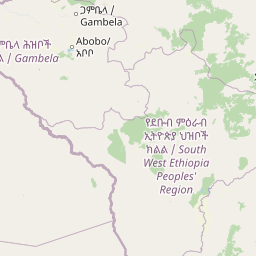
Boma National Park is most renowned for hosting the world's largest annual animal migration, known as the Great Nile Migration Landscape. This extraordinary wildlife spectacle involves multiple antelope species, including white-eared kob, tiang, and bohor reedbuck, moving between South Sudan's Bandingilo National Park and Boma National Park, extending into Gambella National Park in Ethiopia. The white-eared kob is the park's most prominent species, with migration routes spanning approximately 1,600 kilometers across varied ecoregions. The park also serves as a critical refuge for populations of Nubian giraffe, Northeast African cheetah, Lelwel hartebeest, and numerous other large mammal species, making it the most wildlife-dense protected area in South Sudan.
Boma National Park history and protected-area timeline
Boma National Park was established in 1977 as South Sudan sought to formalize protection for its rich wildlife heritage. For decades following its designation, the park existed largely on paper, with minimal infrastructure, limited ranger presence, and virtually no active management due to the region's protracted conflicts. The country gained independence in 2011, and subsequent periods of instability further hampered conservation efforts, leaving the park vulnerable to poaching, bush meat hunting, and habitat degradation. In August 2022, a significant development occurred when African Parks, a renowned conservation organization, signed a 10-year renewable agreement with the South Sudanese government to manage and restore both Boma and neighboring Bandingilo National Parks. This partnership marked a new era for the protected area, with African Parks conducting aerial surveys and fitting GPS collars to individuals from twelve species to begin rebuilding population data and implementing effective conservation strategies.
Boma National Park landscape and geographic character
The physical landscape of Boma National Park is characterized by extensive flat plains interrupted by scattered woodland patches and seasonal wetlands. The southern portion of the park features vast short grasslands interspersed with acacia bush, creating a classic East African savanna scene. The eastern region supports more substantial woodland vegetation, dominated by Combretum and Ficus tree species that form denser canopy cover. The western section transitions to more open grassland with fewer trees. Throughout the park, wetlands dot the landscape, with most being seasonal and responding to the region's highly variable rainfall. The Juom Swamp in the northern part of the park represents the largest permanent wetland, providing crucial water resources during dry periods. The overall terrain is relatively flat, with subtle elevation changes that influence water drainage patterns and create the diverse habitat mosaic that supports the park's remarkable wildlife populations.
Boma National Park ecosystems, habitats, and plant life
The ecological character of Boma National Park is defined by its position at the intersection of two major African biomes, the Somali-Maasai and Sudano-Guinean ecosystems. This transition creates a unique blend of vegetation types and supports species from both biomes. The grassland systems are particularly extensive, with the southern short grasslands representing some of the most open savanna habitats in the region. The acacia bush communities in the south provide important browse for grazing and browsing species, while the Combretum and Ficus woodlands in the east offer denser cover and foraging resources. Wetland habitats range from seasonal flooded grasslands to permanent swamps like Juom, creating habitat diversity that supports different wildlife communities throughout the year. The park's location within the Nile basin influences its hydrology, with rainfall patterns and flooding creating dynamic ecological conditions that shape vegetation communities and wildlife distribution across seasons.
Boma National Park wildlife and species highlights
Boma National Park supports an extraordinary concentration of wildlife, representing the highest mammal density in South Sudan. The park is world-famous for the Great Nile Migration Landscape, the largest annual terrestrial animal migration on Earth, where hundreds of thousands of white-eared kob, tiang, and bohor reedbuck move between seasonal grazing areas across the South Sudan-Ethiopia border region. This migration can span up to 1,600 kilometers and is dictated by rainfall patterns and flood conditions. Beyond the migratory species, the park hosts remarkable diversity including African elephant, African buffalo, Nubian giraffe, oryx, Lelwel hartebeest, common eland, giant eland, maneless zebra, waterbuck, Grant's gazelle, lesser kudu, bongo, and Nile lechwe. Predators include African leopard and Northeast African cheetah, while the park has been identified as a lion conservation unit since 2005. Birdlife includes Ruppell's vulture and black-chested snake eagle, establishing the park's status as an Important Bird Area.
Boma National Park conservation status and protection priorities
The conservation significance of Boma National Park cannot be overstated, as it represents South Sudan's most important protected area for maintaining viable populations of large mammals. The park's designation as part of a lion conservation unit since 2005, coupled with its role in protecting the Great Nile Migration Landscape, demonstrates its international conservation importance. However, the park faces substantial challenges, including bush meat hunting that serves both subsistence needs and illegal wildlife trade, limited infrastructure, difficult access, and the impacts of decades of regional conflict that have prevented effective monitoring and protection. The 2022 partnership with African Parks marks a critical turning point, bringing professional management, aerial survey capabilities, and scientific monitoring to a park that has long been data-deficient. Conservation efforts now focus on establishing baseline population estimates through GPS collaring and aerial surveys, while building the infrastructure and capacity needed for effective long-term protection of this globally significant wildlife area.
Top sights and standout views in Boma National Park
Boma National Park offers visitors and researchers the opportunity to witness the most spectacular wildlife migration in Africa, with hundreds of thousands of antelope crossing the savanna in an ancient seasonal rhythm. The park's vast size and relatively untouched landscapes provide rare opportunities to experience wild Africa in its most expansive form. The white-eared kob, with its distinctive white ear markings, represents both the park's flagship species and one of Africa's most significant wildlife spectacles. The combination of grassland, woodland, and wetland habitats creates remarkable ecological diversity within a single protected area. Recent conservation investment through African Parks signals growing international recognition of the park's potential as a premier wildlife destination.
Best time to visit Boma National Park
The optimal time to visit Boma National Park depends on what experiences visitors seek. The wet season, typically from May to October, transforms the landscape with fresh grass and abundant water, drawing wildlife to permanent waterholes like Juom Swamp. This period offers excellent wildlife viewing as animals congregate around remaining water sources during the dry spells. The dry season, from November to April, sees the landscape transition to more open conditions as vegetation dries, making wildlife easier to spot. This is also when the migration movements are most predictable, with white-eared kob and other species moving between seasonal ranges. The period around the transition between wet and dry seasons often provides the best combination of accessible wildlife viewing and landscape aesthetics. Visitors should be aware that access to the park remains challenging due to limited infrastructure and the need for careful logistical planning.