
Why Bournda National Park stands out
Bournda National Park is best known for its diverse coastal water systems and its status as part of a nationally significant bird area. The park provides critical habitat for the swift parrot, a vulnerable species that migrates to the region from Tasmania. The combination of saltwater lake, freshwater lake, and brackish lagoon within a single protected area makes Bournda distinctive among coastal parks in New South Wales. The Kangarutha Track, a 12-kilometre coastal walking trail, is also a notable feature for visitors seeking to explore the park's scenic shoreline.
Bournda National Park history and protected-area timeline
Bournda National Park was formally established as a national park on 24 April 1992, transitioning from its previous designation as a State Recreation Area. This elevation in protection status reflected growing recognition of the area's ecological significance, particularly its coastal lake systems and the habitat they provide for migratory bird species. The adjacent Bournda Nature Reserve, covering 6,088 hectares, was established in 1972 and is managed in conjunction with the national park under a unified management plan developed by the NSW National Parks and Wildlife Service. The park's proximity to Tathra, a small coastal town established in the mid-nineteenth century, has shaped its recreational use and visitor access patterns over many decades. The walking track network, including the long-distance Kangarutha Track, represents decades of trail development that has made the park accessible to visitors seeking to experience its coastal landscapes.
Bournda National Park landscape and geographic character
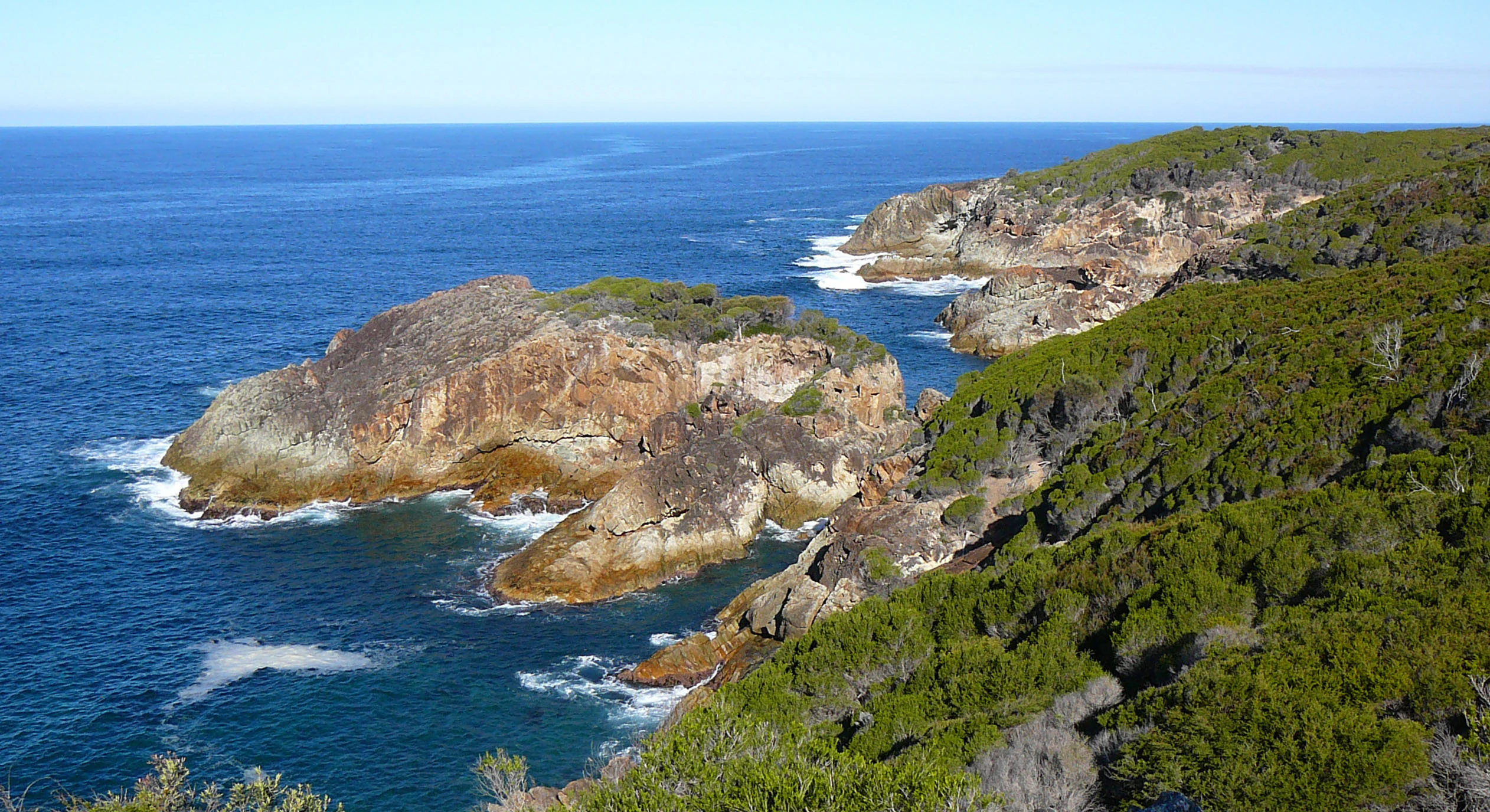
The landscape of Bournda National Park presents a characteristic South Coast sequence of coastal lagoons, barrier beaches, and forested headlands. The park's three primary water bodies each represent different stages in the coastal lake lifecycle. Wallagoot Lake occupies a classic barrier lagoon position, separated from the ocean by a narrow sand barrier that is periodically breached during high seas or flood events. Bondi Lake sits further inland in a fresh water catchment position, receiving flow from small streams that drain the surrounding eucalyptus forested hills. Bournda Lagoon occupies an intermediate position, its brackish waters reflecting the periodic influence of ocean overwash during high tides or storm openings. The park's coastline ranges from the sheltered sandy beach at Hobart Beach through rocky platforms and cliffs to the more exposed southern shores near Bournda Island. The hinterland rises gently from the coast, with the vegetation transitioning from coastal scrub and heath through to tall open forest dominated by spotted gum and Sydney blue gum on the more fertile valley floors.
Bournda National Park ecosystems, habitats, and plant life
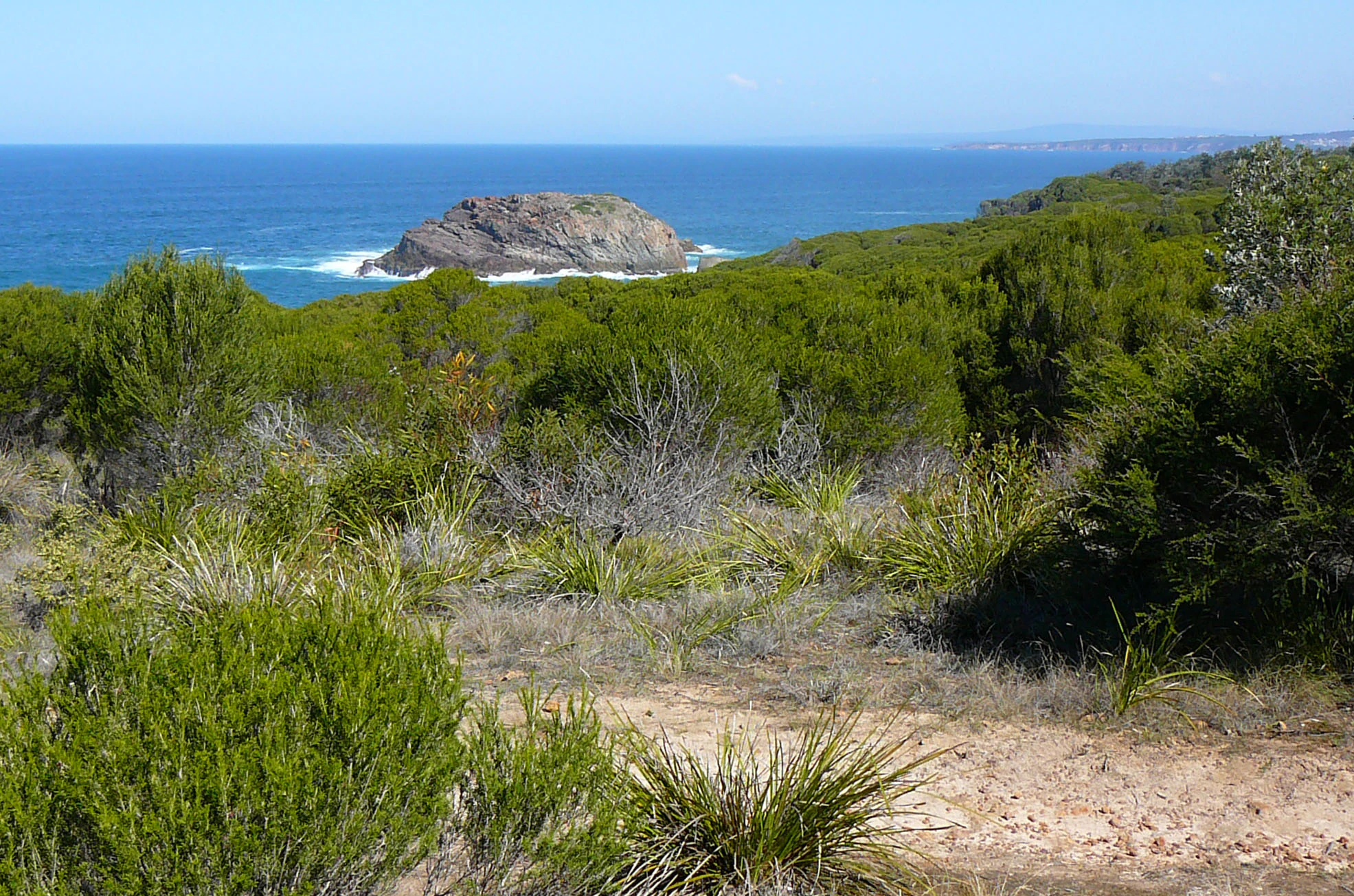
The ecological character of Bournda National Park is defined by the interplay between its coastal water bodies and the surrounding forested landscapes. The park lies within the Far South Coast bioregion, an area known for its high rainfall and lush vegetation. The combination of freshwater, brackish, and saltwater habitats within a relatively compact area creates exceptional ecological diversity. Wallagoot Lake supports marine and estuarine species when open to the ocean, while Bondi Lake provides habitat for freshwater fish and aquatic birds. The coastal heath communities on the well-drained slopes support a different suite of species adapted to more xeric conditions, including numerous wildflower species that bloom seasonally. The tall forests of the deeper valleys and lower slopes provide habitat for arboreal mammals and forest birds, creating a vertical dimension to the park's ecological value.
Bournda National Park wildlife and species highlights
Bournda National Park is recognised as a nationally significant area for bird conservation, forming part of the Ulladulla to Merimbula Important Bird Area identified by BirdLife International. The park provides crucial foraging and breeding habitat for the swift parrot, a vulnerable species that migrates annually from its Tasmanian breeding grounds to the mainland Australian coast. The diverse water bodies within the park support a range of waterbird species, with the freshwater and brackish habitats attracting different bird communities at different times of year. The coastal heath and forest habitats provide nesting and foraging resources for a variety of forest bird species, while the shoreline and island habitats support seabird and shorebird populations. The park's proximity to the ocean also brings regular sightings of dolphins and occasional whale sightings during migration seasons.
Bournda National Park conservation status and protection priorities
The inclusion of Bournda National Park within the Ulladulla to Merimbula Important Bird Area reflects the site's national significance for the conservation of threatened bird species, particularly the swift parrot. This designation recognises that the coastal strip between Ulladulla and Merimbula provides critical winter foraging habitat for swift parrots that have migrated from Tasmania. The park's management, overseen by the NSW National Parks and Wildlife Service, works to maintain the ecological integrity of the park's water bodies, vegetation communities, and wildlife populations. The adjacency of Bournda Nature Reserve, established in 1972, creates a larger contiguous protected area that enhances the conservation value of the broader landscape. The management plan for the area addresses issues including fire management, invasive species control, and visitor impact mitigation to ensure the long-term protection of the park's natural values.
Bournda National Park cultural meaning and human context
The Bournda area has historical connections to local Aboriginal communities, though detailed documentation of indigenous land use specific to the park is limited in the available source material. The coastal lagoon systems and abundant bird and fish resources would have provided traditional food sources for Aboriginal peoples, as they do for contemporary recreational users. The township of Tathra, which borders the park to the north, developed as a small port and fishing community in the mid-nineteenth century, with European settlement predating the park's establishment by over a century. The park's name reflects the broader regional identity of the South Coast, where the interaction between coastal communities and the marine environment has shaped local culture and economy.
Top sights and standout views in Bournda National Park
The 12-kilometre Kangarutha Track from Hobart Beach to Tathra stands as the park's premier walking experience, traversing the full length of the coastline and offering panoramic views of the Pacific Ocean and the park's diverse coastal landscapes. Bournda Lagoon provides accessible swimming in a sheltered setting, complemented by the nearby Hobart Beach camp ground with its good facilities. The circuit walk to Bournda Island, a 6-kilometre loop, allows visitors to explore the island's coastal heath and observe seabird nesting activity. The sequence of three distinct water bodies within a single park offers unique opportunities to observe different aquatic environments and the species they support.
Best time to visit Bournda National Park
The park can be visited throughout the year, with each season offering different advantages. Summer months bring warm conditions ideal for swimming at Bournda Lagoon and camping at Hobart Beach, though this is also the peak visitor period. Autumn and spring offer comfortable temperatures for walking and the opportunity to observe migratory bird species, including swift parrots that arrive on the mainland during the winter months. Winter visits provide a quieter experience with fewer visitors and the chance to see whales migrating along the coast, though swimming conditions are less suitable. The walking tracks are generally accessible year-round, though visitors should check current conditions during periods of high rainfall that may affect some trails.