
Why Chư Yang Sin National Park stands out
Chư Yang Sin National Park is notably the only location in Vietnam with confirmed records of the golden jackal subspecies Canis aureus cruesemanni. This rare subspecies presence represents a significant conservation claim for the park, as these animals are at the extreme eastern edge of their range in this area. The park's montane forest habitats also support populations of larger mammal species and diverse avifauna, though detailed species inventories are limited in available sources. The combination of montane forest protection and the presence of this distinctive canid species makes the park particularly significant within Vietnam's national park system.
Chư Yang Sin National Park history and protected-area timeline
Chư Yang Sin National Park was officially established on July 12, 2002, through Decision number 92/2002/QĐ-TTg, signed by then Prime Minister Nguyễn Tấn Dũng. This decision upgraded the area from its previous designation as Chư Yang Sin Nature Reserve to full national park status, recognizing the ecological significance of the area and the need for enhanced protection measures. The elevation to national park status provided additional regulatory frameworks and resources for conservation management. The park's establishment came during a period when Vietnam was expanding its protected area network and strengthening environmental legislation. Prior to national park designation, the area had received some protection as a nature reserve, but the upgrade reflected both the ecological value of the site and the Vietnamese government's priorities for conservation in the Central Highlands region.
Chư Yang Sin National Park landscape and geographic character
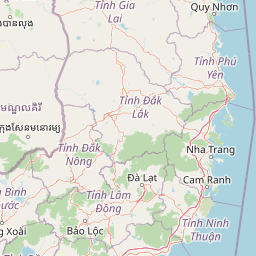
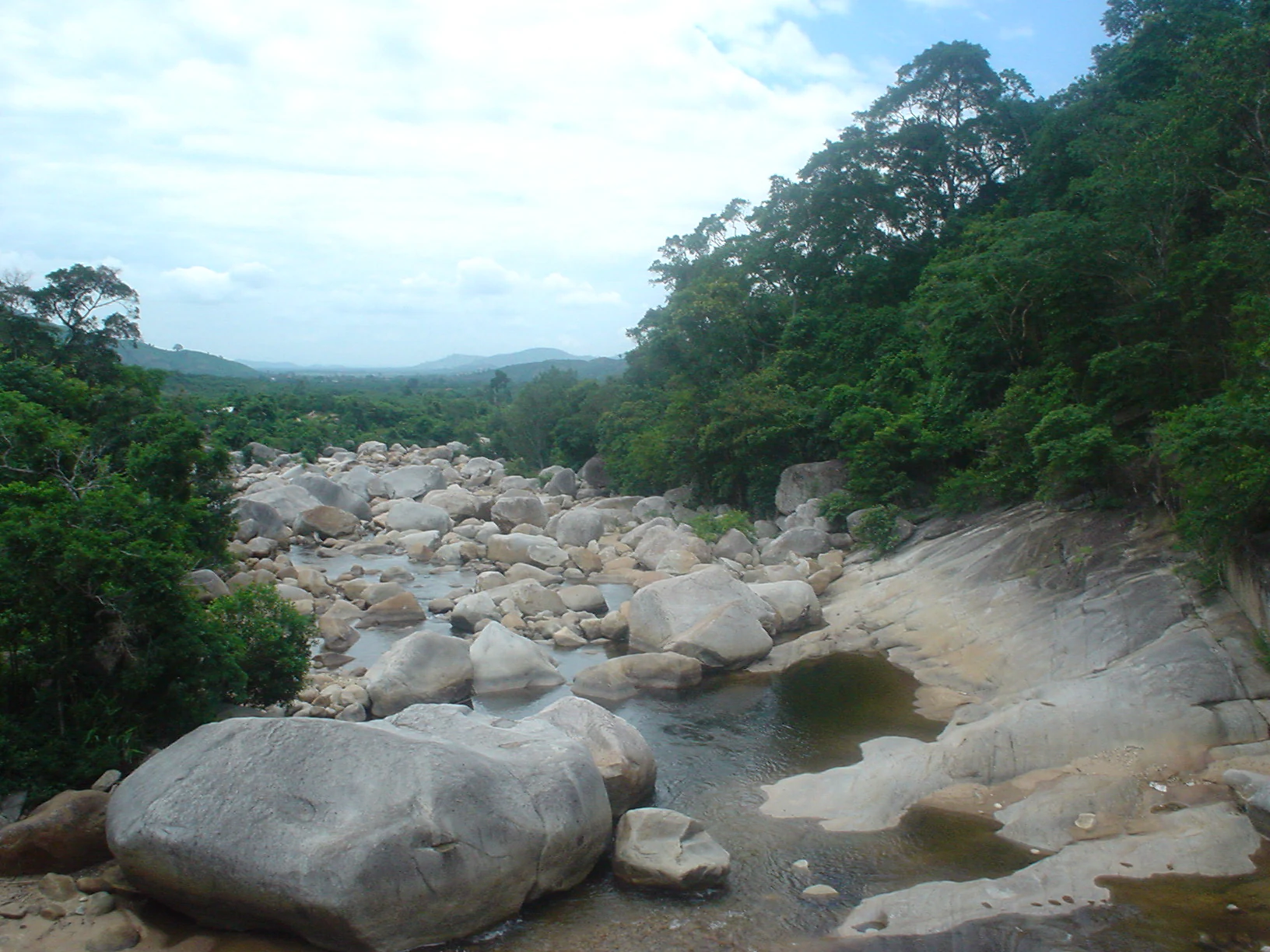
The landscape of Chư Yang Sin National Park is dominated by forested mountain terrain characteristic of the Central Highlands. The terrain features a complex topography of ridges, valleys, and stream courses that create diverse environmental conditions across relatively short distances. Elevations within the park range from approximately 500 meters to over 1,500 meters above sea level, establishing distinct altitudinal zonation in both vegetation and wildlife communities. The underlying geology contributes to the well-drained soils that support robust forest growth, while the region's seasonal rainfall patterns shape the overall ecological character. Streams and small rivers originating in the park contribute to the broader watershed, with the Krông Bông River system having headwaters in the protected area.
Chư Yang Sin National Park ecosystems, habitats, and plant life
The ecological character of Chư Yang Sin National Park centers on its montane forest ecosystems, which represent a transition between lowland tropical forests and higher elevation formations. The forest types present include evergreen broadleaf forests in the lower elevations, transitioning to montane evergreen forests at higher elevations. These forests support a diversity of plant species typical of the Southeast Asian montane environment, though detailed botanical inventories specific to this park are limited in available sources. The montane forest environment creates conditions for species found at the limits of their geographic ranges, with the Central Highlands acting as a biogeographic filter and meeting point for species from different regional faunas.
Chư Yang Sin National Park wildlife and species highlights
The wildlife of Chư Yang Sin National Park includes a notable presence of the golden jackal, with the only confirmed Vietnam records of the subspecies Canis aureus cruesemanni occurring within park boundaries. This represents a significant zoogeographic finding, as the species reaches the eastern edge of its range in this area of Vietnam. The park's forest habitats support populations of larger mammals typical of Central Highlands forests, including various ungulate species and smaller carnivores, though comprehensive species lists are not extensively documented in available sources. The diverse forest structure provides habitat for numerous bird species, and the montane environment attracts both resident and migratory avian species. The presence of the golden jackal underscores the park's importance for conservation, as this canid species requires connected forest habitats and intact prey populations.
Chư Yang Sin National Park conservation status and protection priorities
Chư Yang Sin National Park represents an important protected area within Vietnam's Central Highlands, contributing to national biodiversity conservation targets and ecosystem service provision. The park's montane forests play critical roles in watershed protection, soil retention, and carbon storage, providing benefits that extend beyond the protected boundary to surrounding agricultural lands and communities. The confirmed presence of the golden jackal subspecies elevates the park's conservation significance at both national and international levels, as this represents the only known population in Vietnam. Management of the park focuses on balancing conservation objectives with sustainable use considerations, a common challenge in Vietnam's protected area management framework.
Chư Yang Sin National Park cultural meaning and human context
The Central Highlands region of Vietnam is home to numerous ethnic minority communities whose traditional livelihoods are closely connected to the landscape. The communes within and surrounding Chư Yang Sin National Park include settlements of various ethnic groups whose relationship with the forest resources has evolved over generations. While the park boundaries establish formal conservation status, the management framework considers the interests of local communities and their traditional relationship with the land. The broader Đắk Lắk Province is known for its ethnic diversity and cultural traditions distinct from Vietnam's lowland Vietnamese culture.
Top sights and standout views in Chư Yang Sin National Park
Chư Yang Sin National Park offers protection for some of the Central Highlands' more intact montane forest ecosystems, creating a backdrop for wildlife viewing and nature exploration in a region where natural habitats have been significantly altered by agricultural expansion. The park's significance is concentrated particularly in its role as the only confirmed habitat for golden jackals in Vietnam, a distinction that makes it noteworthy for carnivore conservation and wildlife research. The montane forest environment provides conditions different from Vietnam's more famous lowland parks, offering visitors an opportunity to experience the Central Highlands' distinctive natural character. The park's size of nearly 600 square kilometers creates substantial wilderness character, with core areas of intact forest separated from the more heavily developed agricultural landscape.
Best time to visit Chư Yang Sin National Park
The optimal period for visiting Chư Yang Sin National Park corresponds to the dry season in the Central Highlands, typically running from November through April. During this period, reduced rainfall creates more accessible trail conditions and clearer visibility for landscape appreciation. The dry season coincides with cooler temperatures at higher elevations within the park, making this time more comfortable for hiking and wildlife observation. The wet season from May through October brings heavier rainfall that can affect trail conditions and accessibility, though the forest vegetation is at its lushest during this period. Visitors planning trips should consider that the Central Highlands can experience temperature variations based on elevation, with higher areas within the park being noticeably cooler than lower elevation approach routes.