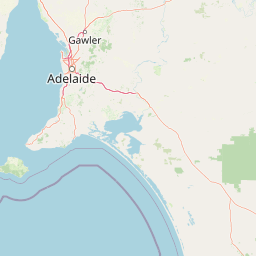
Why Cleland National Park stands out
Cleland National Park is best known for its exceptional diversity of habitats supporting rare and endangered species. The park contains some of the last remaining bogs and swamps in the Mount Lofty Ranges, which host threatened plant species including the king fern, coral fern, and naked sun orchid. These wetlands provide crucial habitat for the endangered southern brown bandicoot and other native fauna. The park also preserves significant stringybark forests and woodlands that support over 90 bird species, including the vulnerable yellow-tailed black cockatoo. The combination of Mount Lofty Summit's panoramic views, the cascading Waterfall Gully waterfall, and the accessible wildlife experiences at Cleland Wildlife Park makes this park a distinctive natural asset for both conservation and recreation in South Australia.
Cleland National Park history and protected-area timeline
The history of Cleland National Park reflects both European exploration and the evolution of conservation thinking in South Australia. Matthew Flinders first sighted Mount Lofty from the coast in March 1802, and European ascent of the mountain followed in 1831 by Collet Barker and his associates, who observed a tree with a girth of nearly 15 metres demonstrating the area's timber potential. Road development began in 1839 with Waterfall Gully Road, followed by Greenhill Road in 1858, opening the area for settlement. Arthur Hardy acquired land in 1856 and built Mount Lofty House, becoming one of Adelaide's wealthiest residents, while Samuel Davenport later owned much of what now comprises the park, establishing orchards and experimenting with crops including tobacco, mulberry trees for silk production, and grapes. By the 1930s, extensive modification through clearing, logging, and grazing had caused significant environmental damage including soil erosion, flooding, and landscape scarring. Despite pressure from conservation groups, government purchase of the land did not occur until 1945, when the reserve was established on 1 January and named after John Burton Cleland, a prominent naturalist and Royal Society of South Australia member. The area was declared Cleland Wildlife Reserve in 1963 and formally proclaimed as Cleland Conservation Park in 1978, before achieving national park status in November 2021 through merger with Eurilla Conservation Park.
Cleland National Park landscape and geographic character
The physical landscape of Cleland National Park showcases the characteristic terrain of the Adelaide Hills region, with elevations rising to 727 metres at Mount Lofty Summit. The park encompasses a complex topography of creeks, steep-sided gullies, and ridgelines that create diverse micro-environments throughout the reserve. Stringybark forests dominate the higher slopes and ridgelines, while woodlands of blue gum, manna gum, and kangaroo grass occupy the valleys and more open areas. The park contains some of the last intact swamps and bogs in the Mount Lofty Ranges, representing increasingly rare wetland habitats in the region. Permanent creeks and waterfalls, particularly at Waterfall Gully, provide permanent water sources that support aquatic species and create scenic attractions. The landscape offers sweeping vistas across the Adelaide Plains and Gulf St Vincent from Mount Lofty Summit, where the Flinders Column obelisk serves as a distinctive landmark visible from considerable distances.
Cleland National Park ecosystems, habitats, and plant life
The ecological character of Cleland National Park is defined by its diverse range of habitats supporting numerous rare, endangered, and endemic species. The park contains bogs representing some of the few remaining wetland areas in the Mount Lofty Ranges, hosting rare and threatened plants such as the king fern, coral fern, and naked sun orchid. Heathland communities on the ridgetops support specialized species including the endangered Mount Lofty Ranges chestnut-rumped heathwren, while forested gullies provide habitat for vulnerable species such as the bassian thrush. The woodlands and grasslands support over 90 bird species and are dominated by blue gum, manna gum, stringybark, and kangaroo grass. Permanent creeks and waterfalls sustain aquatic species including the vulnerable mountain galaxias and brown toadlet. Despite past impacts from timber extraction, agriculture, and grazing, vegetation has regenerated across much of the park, though threats from weeds, altered fire regimes, and pest animals including rabbits, foxes, feral cats, and deer continue to require active management.
Cleland National Park wildlife and species highlights
Cleland National Park supports a rich fauna community across its diverse habitats, with several species of conservation significance. The endangered southern brown bandicoot relies on the park's bog habitats, while the vulnerable bassian thrush inhabits forested gullies. The woodlands provide critical habitat for over 90 bird species, including the vulnerable yellow-tailed black cockatoo that feeds on the seeds of eucalypts and is a distinctive presence in the park's forests. Other notable mammals include the yellow-footed antechinus, Cunningham's skink, and various marsupials. The permanent waterways support aquatic species including the vulnerable mountain galaxias and brown toadlet. The integrated Cleland Wildlife Park adds significantly to the park's wildlife profile, housing species such as koalas, red and western grey kangaroos, swamp wallabies, Tasmanian devils, southern hairy-nosed wombats, western pygmy possums, bilbies, yellow-footed rock wallabies, dingoes, and diverse reptiles. The wildlife park has operated since 1967 and attracts approximately 100,000 visitors annually who seek close encounters with native Australian fauna.
Cleland National Park conservation status and protection priorities
Cleland National Park represents significant conservation value within the Mount Lofty Ranges region, protecting some of the last remaining examples of multiple habitat types. The park's bogs and swamps are among the few remaining in the Mount Lofty Ranges and provide critical habitat for endangered wetland species including the southern brown bandicoot and rare plant species. The protection of stringybark forests and woodlands along the hills face preserves connectivity for wildlife movement between larger conservation areas. The park's classification as an IUCN Category II protected area reflects its dual role in ecosystem protection and sustainable recreation. Management under the National Parks and Wildlife Act 1972 and the Wilderness Protection Act 1992 provides the legislative framework for conservation outcomes, though ongoing challenges include weed control, management of altered fire regimes, and control of introduced pest species including rabbits, foxes, feral cats, and deer. The 2021 expansion through merger with Eurilla Conservation Park increased the protected area's size and enhanced conservation connectivity in the Adelaide Hills region.
Cleland National Park cultural meaning and human context
Cleland National Park lies within the traditional lands of the Kaurna and Peramangk peoples, who historically used the Mount Lofty Ranges area as a meeting and trading place. Both indigenous nations hold dreaming stories connected to the landscape, and the area holds cultural significance that predates European settlement. European exploration began with Matthew Flinders sighting Mount Lofty in 1802, followed by the first recorded European ascent in 1831 by Collet Barker and his associates. The subsequent European settlement of the area in the mid-19th century saw land use for grazing, orcharding, and residential development that significantly modified the landscape. The park's establishment in 1945 reflected evolving attitudes toward conservation in South Australia, and the naming after John Burton Cleland honoured the naturalist's contributions to the protection of South Australia's natural heritage.
Top sights and standout views in Cleland National Park
Cleland National Park offers visitors a combination of natural landscapes, wildlife encounters, and cultural heritage within easy reach of Adelaide. The climb to Mount Lofty Summit provides panoramic views across the Adelaide Plains and Gulf St Vincent, with the Flinders Column obelisk serving as a notable landmark. Waterfall Gully delivers accessible scenic beauty with its waterfall reachable by a short walk from car parking. The integrated Cleland Wildlife Park enables close encounters with Australian native animals including koalas, kangaroos, and Tasmanian devils through various visitor experiences. The extensive walking and cycling trail network allows exploration of diverse habitats from wetland bogs to stringybark forests. The park's significant conservation value, protecting rare and endangered species in some of the last remaining Mount Lofty Ranges habitats, adds depth to the visitor experience.
Best time to visit Cleland National Park
Cleland National Park can be visited throughout the year, though autumn and spring typically offer the most comfortable conditions for bushwalking and outdoor exploration. The cooler months from April to September provide ideal temperatures for walking the trails to Mount Lofty Summit and Waterfall Gully, with the landscape often displaying good vegetation density and wildlife activity. Summer months can bring hot conditions in the Adelaide Hills, though early morning visits allow for comfortable exploration before midday heat. The wetland areas and waterfalls are often at their most impressive during the winter and spring months when rainfall increases water flow. Wildlife viewing is particularly rewarding in the cooler seasons when animals are more active during daylight hours. The Cleland Wildlife Park operates year-round and offers indoor exhibits that provide wildlife experiences regardless of weather conditions.