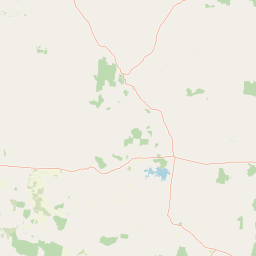
Why Cudmore National Park stands out
Cudmore National Park is particularly known for its Drummond Range bloodwood woodlands, which support the park's most endangered plant species, Corymia clandestina. The park also provides important habitat for rare and endangered mammals, notably the central greater glider and koala, both of which are threatened species in Queensland. The semi-arid woodland ecosystem represents a distinctive habitat type within Australia's protected area network, offering conservation value for species adapted to drier inland conditions.
Cudmore National Park history and protected-area timeline
Cudmore National Park was established in 1998 as part of Queensland's expanding network of protected areas during the late twentieth century. The park's creation responded to growing awareness of the need to conserve semi-arid woodland ecosystems in central Queensland, a region where agricultural development had reduced native vegetation cover. The selection of this area for national park status reflected the presence of significant biodiversity values, including populations of threatened species such as the Drummond Range bloodwood and endangered mammals. Since establishment, the Queensland Parks and Wildlife Service has managed the park to protect its natural values while allowing compatible visitor use of the area.
Cudmore National Park landscape and geographic character
The landscape of Cudmore National Park consists of semi-arid woodland terrain at approximately 398 meters elevation within the Drummond Range region of Central West Queensland. The terrain supports open eucalypt woodland communities dominated by bloodwood species, with the Drummond Range bloodwood being a particularly notable component of the park's vegetation. The landscape features gently undulating terrain typical of central Queensland's inland areas, with well-drained soils supporting diverse woodland flora. The park's position inland from Queensland's coastal ranges places it within a semi-arid climatic zone characterized by lower rainfall than coastal areas, influencing the species composition and structure of the woodland ecosystem.
Cudmore National Park ecosystems, habitats, and plant life
The nature of Cudmore National Park centers on its semi-arid woodland ecosystems, which support a remarkable diversity of flora and fauna given the relatively harsh environmental conditions. The park contains 147 recorded plant species, with the Drummond Range bloodwood (Corymbia clandestina) representing the most endangered plant species found within the park boundaries. This eucalypt species is restricted to specific woodland habitats and represents a conservation priority for the protected area. The woodland environment provides essential habitat structure and resources for the park's animal inhabitants, supporting a food web based on native vegetation communities adapted to periodic drought and variable rainfall conditions typical of central Queensland.
Cudmore National Park wildlife and species highlights
Cudmore National Park supports 166 recorded animal species, including several species of conservation significance. The park provides habitat for the central greater glider, a threatened marsupial that relies on hollow-bearing trees in woodland habitats for shelter and feeding. Koalas are also present within the park, representing another threatened mammal species that depends on suitable eucalypt woodland habitat. The diverse animal community includes various bird species, reptiles, and invertebrates that inhabit the woodland ecosystem, with the presence of both greater gliders and koalas indicating good habitat quality and connectivity within the protected area. The combination of threatened mammal species and significant plant biodiversity makes this park an important site for conservation within Queensland's inland regions.
Cudmore National Park conservation status and protection priorities
Cudmore National Park plays an important conservation role in protecting semi-arid woodland habitat in a region where such ecosystems have been significantly reduced by pastoral development and agricultural clearing. The park provides formal protection for the Drummond Range bloodwood, the most endangered plant species recorded within its boundaries, ensuring the long-term survival of this species in its natural habitat. The presence of threatened mammals including the central greater glider and koala further reinforces the conservation significance of this protected area, as these species require large areas of intact woodland habitat to maintain viable populations. The park contributes to Queensland's protected area network by representing an ecosystem type that was historically under-represented in the conservation estate, particularly in the central west region of the state.
Cudmore National Park cultural meaning and human context
Cudmore National Park is situated within the traditional lands of Aboriginal peoples who have historical connections to the central Queensland landscape. The Drummond Range region has been inhabited by Indigenous communities for thousands of years, with traditional land management practices shaping the vegetation and fire regimes of the area prior to European settlement. While the park's documentation does not provide extensive detail on specific cultural heritage values, the broader central Queensland region contains significant Indigenous heritage sites and cultural landscapes. The park exists within a broader regional context of mixed pastoral use and Aboriginal land management, reflecting the ongoing significance of this landscape to traditional owners.
Top sights and standout views in Cudmore National Park
Cudmore National Park's standout features include its population of the endangered Drummond Range bloodwood, one of the most significant plant conservation values within the park. The semi-arid woodland environment provides essential habitat for threatened mammal species including the central greater glider and koala, making the park important for marsupial conservation in inland Queensland. The 204 square kilometer protected area represents a substantial remnant of intact woodland in a region where agricultural development has fragmented much of the native vegetation. The park's 1998 establishment reflects relatively recent recognition of the conservation importance of central Queensland's inland woodland ecosystems.
Best time to visit Cudmore National Park
The best time to visit Cudmore National Park is during the cooler months from April to September, when daytime temperatures are more comfortable for outdoor exploration and wildlife activity is more readily observable during daylight hours. Summer months in central Queensland can bring extreme heat that limits visitor activity and increases fire risk, making this period less suitable for park visits. The winter and spring seasons typically offer pleasant conditions for bushwalking and wildlife observation, with the woodland environment providing shade and habitat interest throughout the year. Visitors should be aware that conditions in semi-arid landscapes can change rapidly, and checking current conditions before traveling to the park is advisable.