
Why Dana Biosphere Reserve stands out
Dana Biosphere Reserve is best known for its extraordinary biogeographical significance as the only Jordanian protected area encompassing four distinct ecological zones, creating a unique transitional landscape between Mediterranean and desert environments. The reserve protects critical habitat for several endangered species, most notably the Nubian ibex, Syrian serin, caracal, and lesser kestrel. It also holds the southernmost population of Mediterranean cypress in the world and supports three endemic plant species found nowhere else globally. The dramatic landscape of wind-cut sandstone cliffs in Wadi Dana, combined with the cultural presence of the Ata'ta tribe and archaeological remains spanning millennia, makes Dana one of Jordan's most ecologically and culturally significant protected areas.
Dana Biosphere Reserve history and protected-area timeline
Dana Biosphere Reserve was founded in 1989 by the Royal Society for the Conservation of Nature, Jordan's primary conservation body, to protect the unique ecological and cultural landscape of the Dana region. The establishment of the reserve recognized both the extraordinary biodiversity of the area and the need to balance conservation with the traditional livelihoods of the Ata'ta tribe, who have inhabited the Dana landscape for approximately 400 years. Prior to formal protection, the area had been a protected nature reserve since 1989, with the 2007 designation as a Biosphere Reserve under UNESCO's Man and the Biosphere Programme formalizing its international conservation significance. The reserve's creation came amid growing recognition in Jordan of the need to protect biodiversity hotspots, with Dana representing the country's most ecologically diverse region. Archaeological investigations have revealed continuous human occupation of the area for over 6,000 years, with evidence of Palaeolithic, Egyptian, Nabataean, and Roman settlement contributing to the landscape's cultural layers. Conservation efforts have included specific programs to protect threatened species, with the Global Environment Fund supporting species conservation plans for Nubian ibex, Syrian serin, caracal, and lesser kestrel since 1994.
Dana Biosphere Reserve landscape and geographic character
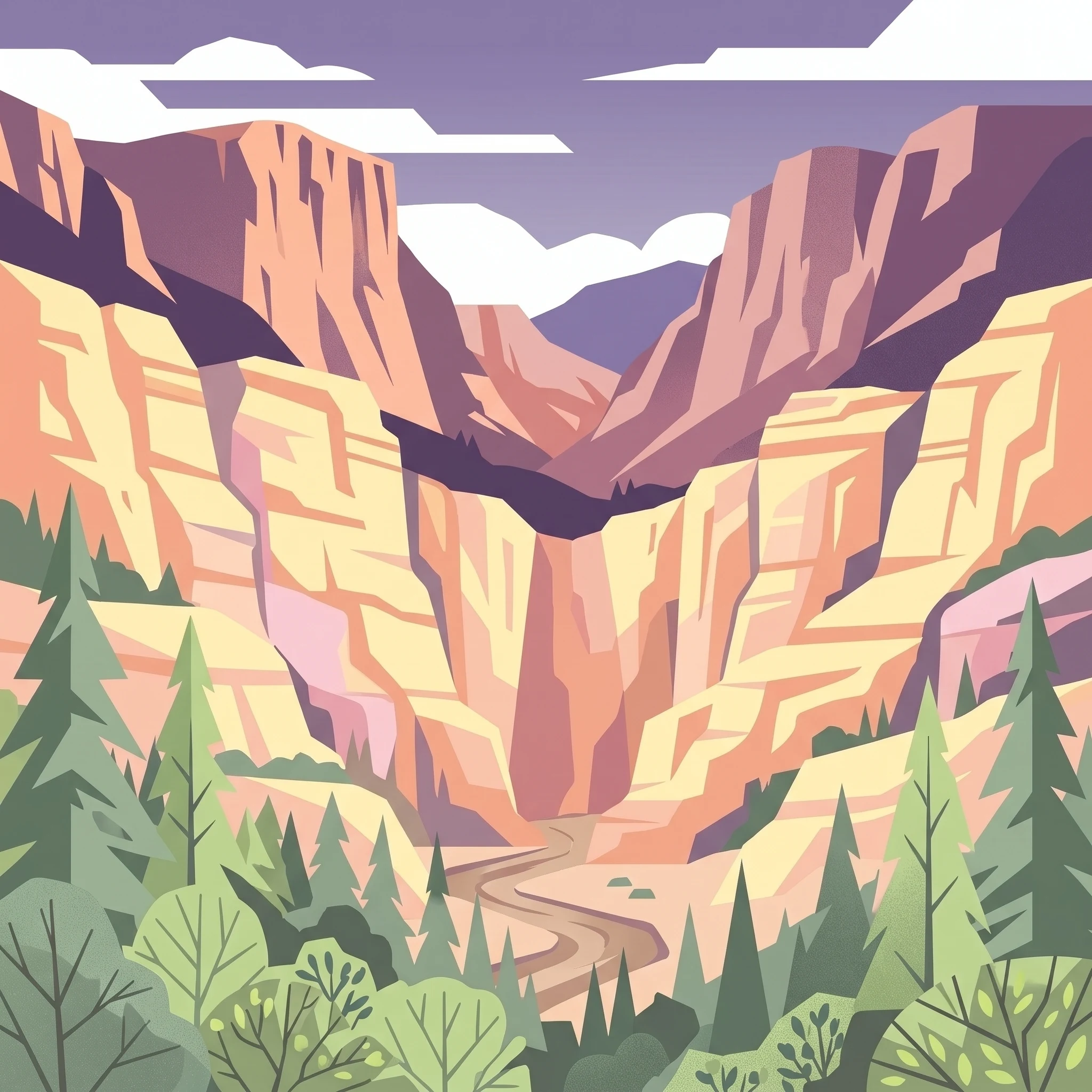
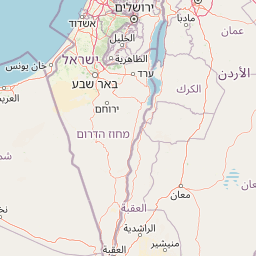
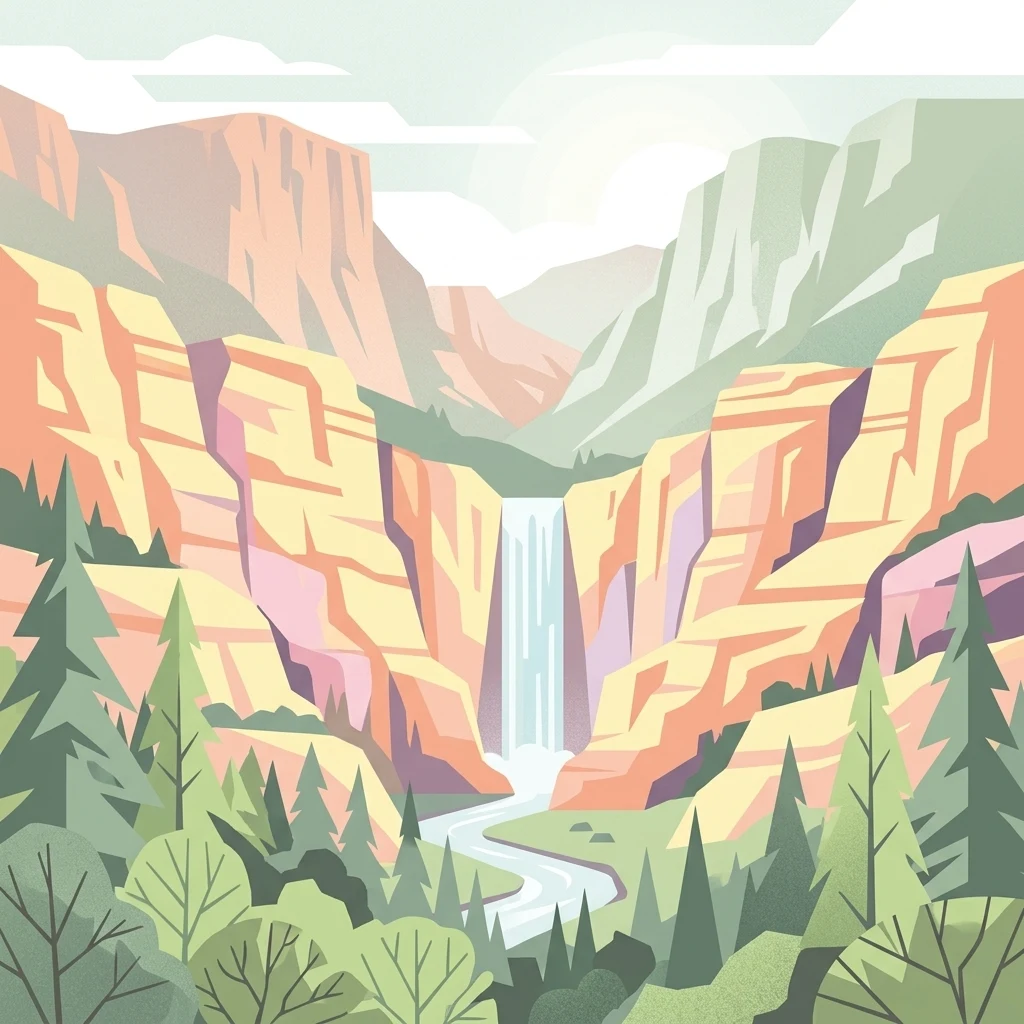
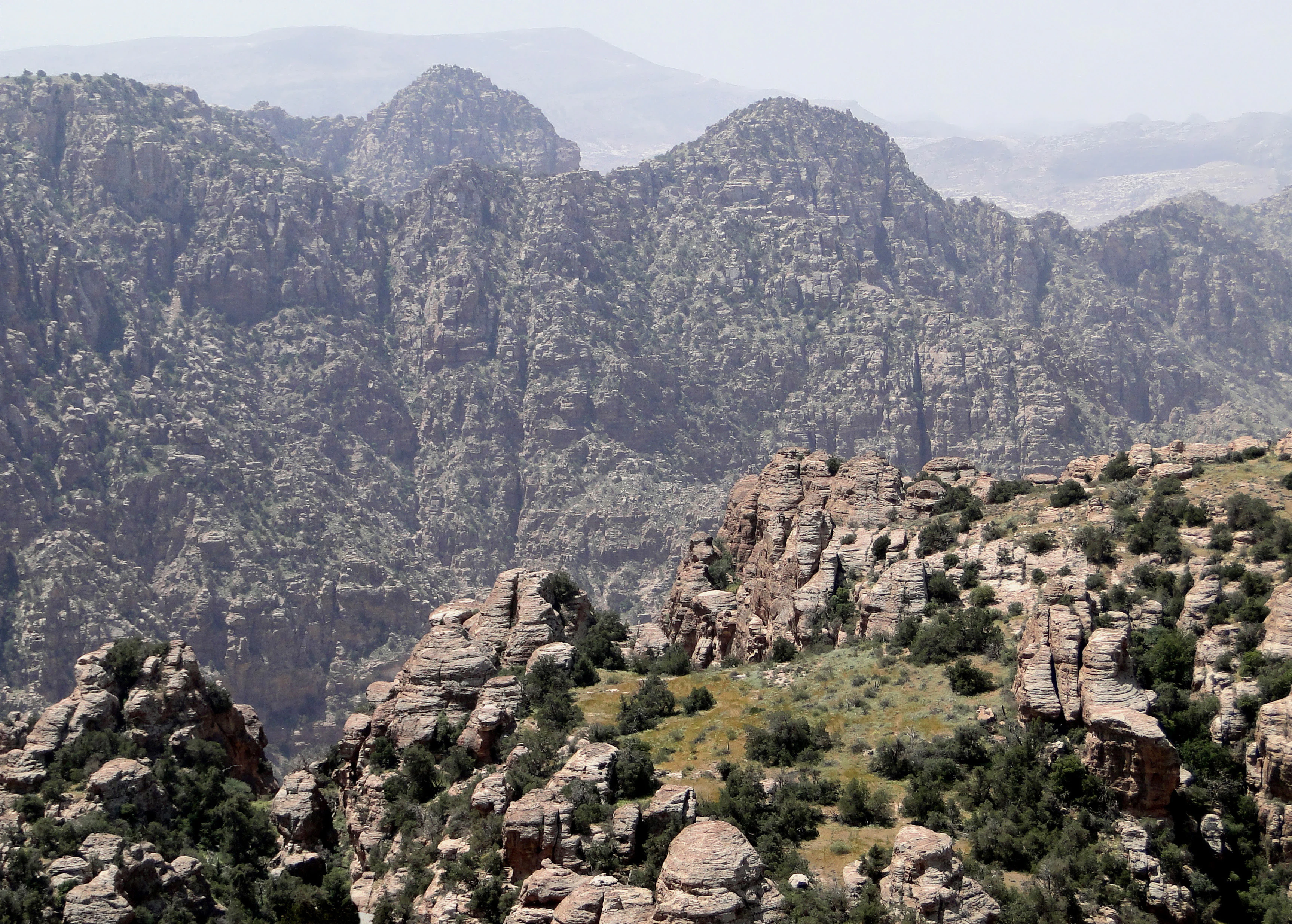
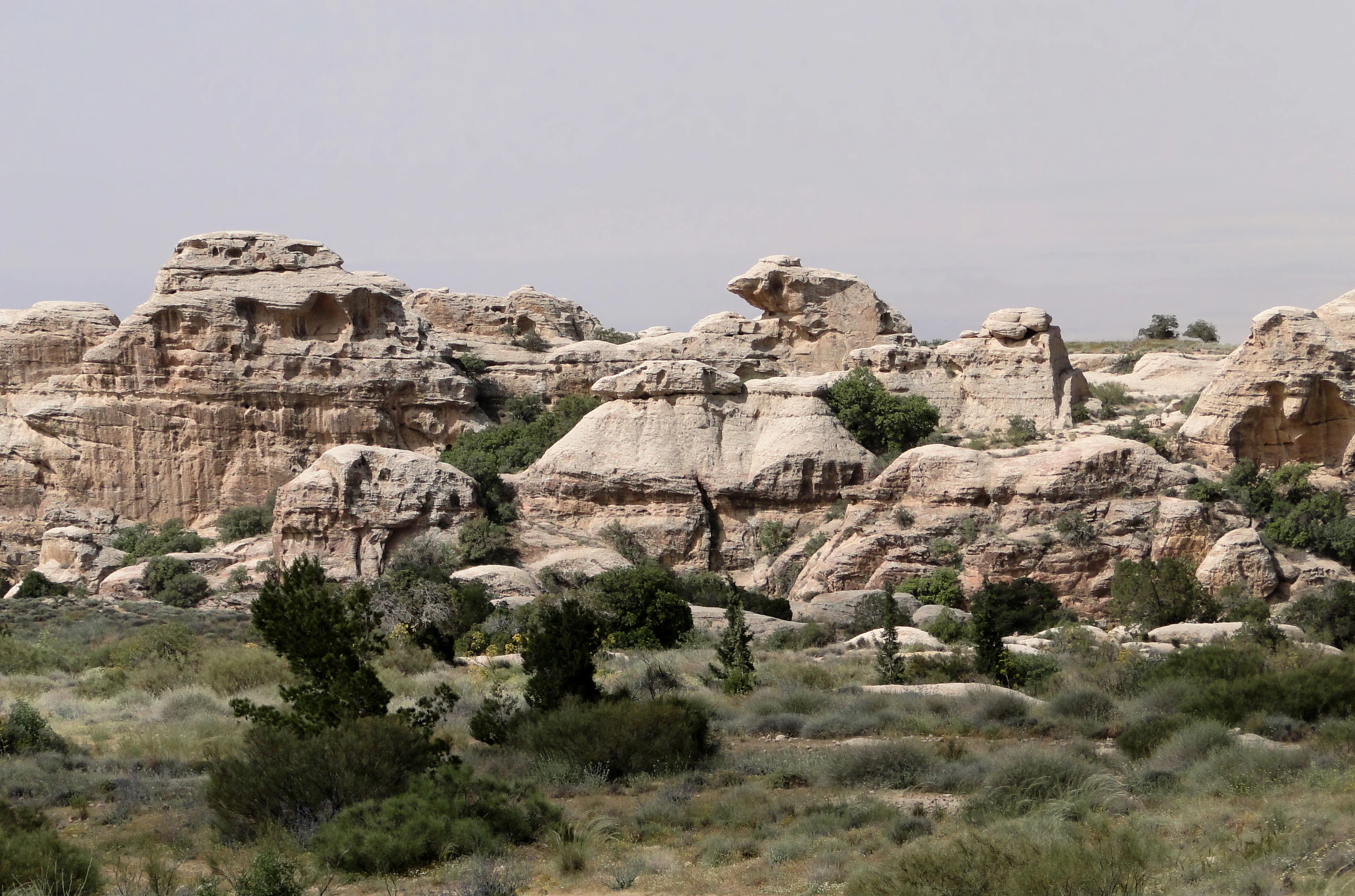
The landscape of Dana Biosphere Reserve is defined by dramatic topographical and geological diversity, dropping approximately 1,500 metres from the Qadisiyah plateau to the Wadi Araba desert floor. The terrain features wind-cut sandstone cliffs in Wadi Dana, carved by millennia of aeolian processes into sculptural forms. The reserve's geology is exceptionally complex, combining fluvial sandstones dating from the Paleozoic and Lower Cretaceous with shallow marine carbonate deposits from the Upper Cretaceous and Tertiary periods. The Dana Horst, a structural high created by the Salawan and Dana faults running east-west, exposes Precambrian granitoids and volcanic rocks that contrast sharply with the younger sedimentary formations. This geological complexity supports varied terrain including limestone uplands, sandstone valleys, granite outcrops, and acacia-dotted desert flats. The landscape transitions through distinct vegetation zones as elevation decreases, from Mediterranean woodlands with Phoenician juniper and evergreen oak through semi-arid steppe to desert scrub, creating a visually striking gradient of green to gold across the reserve.
Dana Biosphere Reserve ecosystems, habitats, and plant life
The ecological diversity of Dana Biosphere Reserve is unparalleled within Jordan, with the reserve supporting 703 plant species, 215 bird species, and 38 mammal species within its 308 square kilometre boundary. The reserve's position across four biogeographical zones creates a remarkable habitat mosaic that supports vegetation types ranging from Mediterranean cypress and evergreen oak woodlands through acacia savanna to desert scrub and specialized sudanian rock花园 communities. Dana represents the southernmost global limit for Mediterranean cypress, while three plant species found nowhere else in the world are endemic to the reserve. The diverse habitats include Phoenician juniper forest, evergreen oak maquis, sand dune systems, acacia woodland, and rocky sudanian vegetation communities. This ecological richness makes Dana the most botanically diverse area in Jordan and one of the most significant conservation sites in the region, providing critical habitat for species adapted to the transitional zones between Mediterranean and desert environments.
Dana Biosphere Reserve wildlife and species highlights
Dana Biosphere Reserve supports significant populations of wildlife adapted to its diverse habitats, with particular conservation importance attached to several threatened species. The Nubian ibex, a distinctive desert goat species with striking curved horns, inhabits the rocky cliffs and slopes of Wadi Dana. The Syrian serin, a small finch endemic to the region, maintains its largest breeding colony within the reserve. The caracal, a medium-sized African and Asian cat with distinctive ear tufts, roams the drier portions of the reserve. The lesser kestrel, a small falcon species, hunts across the open areas. Together with support from the Global Environment Fund since 1994, conservation programs have focused on protecting these species from hunting pressures and habitat degradation. The 215 bird species recorded in the reserve include both resident breeders and migratory species utilizing the area as a seasonal corridor, while the 38 mammal species represent a diverse assemblage from small rodents through carnivores to the iconic ibex.
Dana Biosphere Reserve conservation status and protection priorities
Dana Biosphere Reserve holds significant conservation importance both nationally and internationally as Jordan's largest and most ecologically diverse protected area. The UNESCO Biosphere Reserve designation recognizes its role in maintaining biodiversity while supporting sustainable human use of the landscape. The reserve's four biogeographical zones create a unique conservation laboratory where Mediterranean, Irano-Turanian, Saharo-Arabian, and Sudanian ecosystems meet and intergrade, providing habitat for species adapted to dramatically different environmental conditions. The presence of three endemic plant species and significant populations of threatened wildlife including Nubian ibex, Syrian serin, caracal, and lesser kestrel underscores its conservation value. Management by the Royal Society for the Conservation of Nature balances biodiversity protection with the traditional livelihoods of the Ata'ta community, demonstrating a community-based conservation model appropriate for the region's cultural landscape. Threats to conservation include hunting pressure on wildlife populations, highlighting ongoing challenges in balancing human use with species protection.
Dana Biosphere Reserve cultural meaning and human context
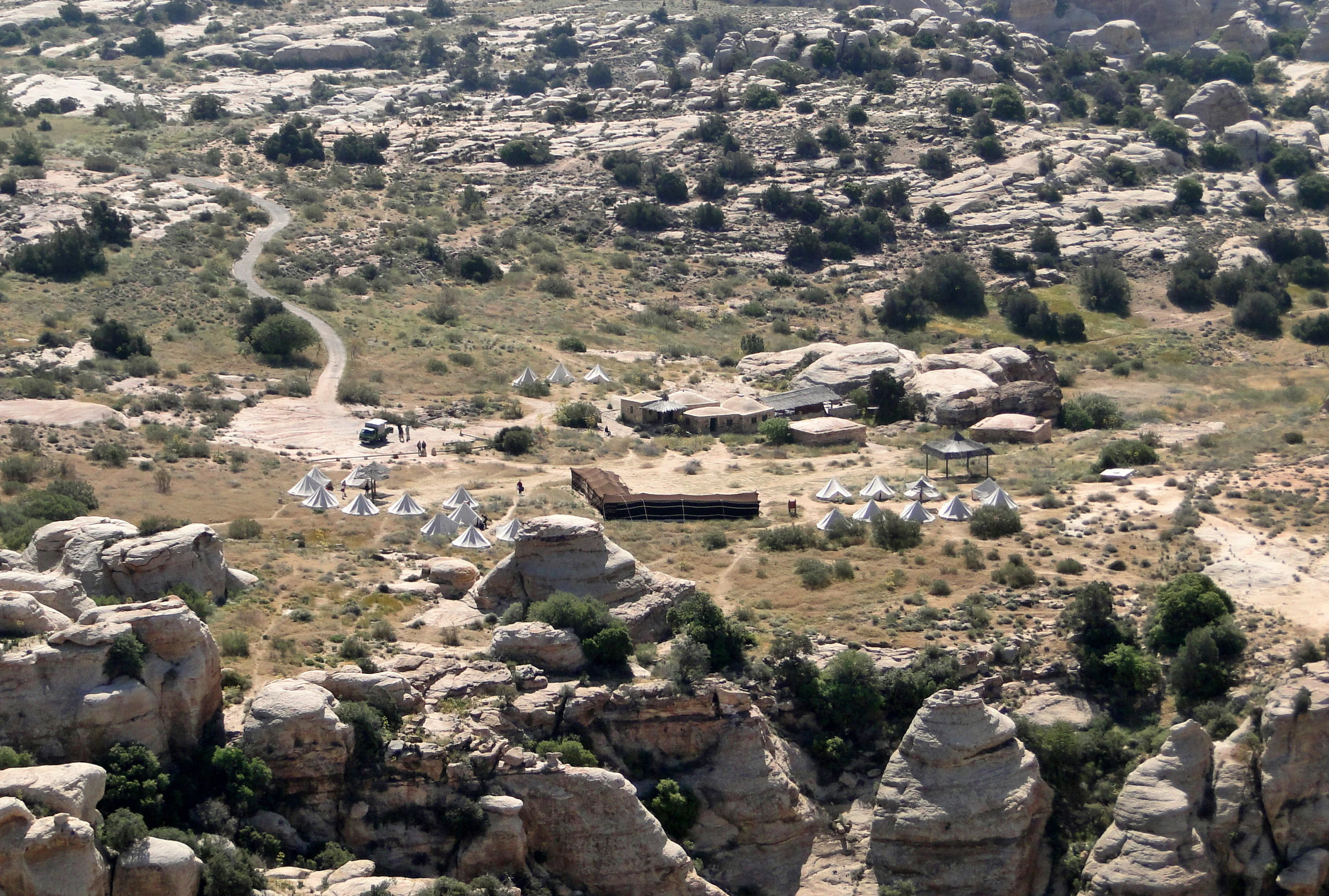
The cultural landscape of Dana Biosphere Reserve reflects over 6,000 years of continuous human presence, creating a living heritage where traditional communities maintain close ties to the land. The Ata'ta tribe, also known as Al Atata, have been the native inhabitants of Dana for approximately 400 years, preserving traditional practices and a pastoral lifestyle intimately connected to the seasonal cycles of the landscape. Archaeological evidence throughout the reserve reveals earlier occupations by Palaeolithic hunter-gatherers, Egyptian traders, Nabataean settlers who controlled regional trade routes, and Roman administrators who integrated the area into their provincial system. The historic Dana village, with its traditional architecture adapted to the mountain environment, sits at the heart of the reserve and represents a cultural heritage that predates formal protection. This long human history has shaped the landscape through terracing, grazing, and traditional land management practices that created the ecological diversity the reserve now protects, demonstrating the intertwined relationship between human communities and environmental stewardship in this region.
Top sights and standout views in Dana Biosphere Reserve
Dana Biosphere Reserve's exceptional value lies in its unique combination of biogeographical significance, geological complexity, and cultural heritage. As Jordan's largest nature reserve and the only one spanning four biogeographical zones, it represents a microcosm of regional ecological diversity in a single protected area. The dramatic Wadi Dana with its wind-sculpted sandstone cliffs provides a visually striking landscape, while the presence of three endemic plant species and significant populations of Nubian ibex, Syrian serin, caracal, and lesser kestrel underscores its conservation importance. The reserve protects the southernmost Mediterranean cypress population globally and contains archaeological evidence spanning six millennia of human occupation. The living culture of the Ata'ta tribe, maintaining traditional practices within the protected landscape, demonstrates a successful model of community-integrated conservation.
Best time to visit Dana Biosphere Reserve
The optimal time to visit Dana Biosphere Reserve is during the spring months of March through May, when mild temperatures and blooming vegetation showcase the reserve's ecological diversity at its most vibrant. Wildflowers carpet the Mediterranean woodlands and the transition zones display fresh green growth following winter rains, creating optimal conditions for wildlife observation and landscape photography. Autumn from September to November offers another excellent visiting period with comfortable temperatures and fewer visitors, though vegetation may be more muted following the summer dry period. Summer months can bring extreme heat, particularly in the lower elevation desert areas, while winter may bring cold temperatures at higher elevations and occasional rain that can affect access to some trails. The reserve's dramatic landscapes can be appreciated year-round, though the biological richness that makes Dana most notable is best experienced during the spring flowering season when the full diversity of its flora is on display.