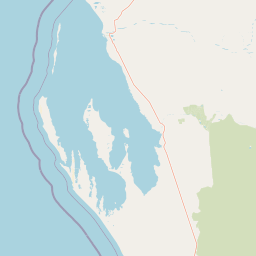
Why Dirk Hartog Island National Park stands out
The park is best known for its dual significance as both a conservation area protecting Western Australia's island coastal environments and as a site of profound historical importance marking the earliest European contact with this segment of the Australian continent. The island's dramatic coastal scenery, featuring cliffs, beaches, and surrounding waters, represents a distinctive island landscape within the state's protected area network.
Dirk Hartog Island National Park history and protected-area timeline
Dirk Hartog Island holds a unique place in Australian history as the location of the first authenticated European landing on the western coast of the continent. Dutch navigator Dirk Hartog arrived at the island in 1616 during a voyage from the Dutch East Indies, becoming the first European to document his landing on this stretch of the Australian coastline. He left a pewter plate inscribed with his arrival details nailed to a post, which was later replaced by another explorer, William Dampier, in 1699. This early contact predates the more commonly recognized arrival of British settlers in the eighteenth and nineteenth centuries. The island's historical significance led to its inclusion within the protected area system as a national park, preserving both the physical landscape and the cultural memory of these early exploratory encounters that shaped European understanding of the Australian continent.
Dirk Hartog Island National Park landscape and geographic character
Dirk Hartog Island presents a distinctive coastal island landscape characterized by white sandy beaches, rocky headlands, and inland terrain typical of island environments in the Shark Bay region. The island's coastline features dramatic transitions between sandy shores and cliff formations, creating visual diversity across relatively compact terrain. Surrounding waters of the Indian Ocean contribute to the island's coastal character, with marine environments visible from the island's elevated vantage points. The landscape reflects the broader geological and ecological character of the Shark Bay coastline, where island formations rise from shallow seas to create distinctive offshore landforms.
Dirk Hartog Island National Park ecosystems, habitats, and plant life
The island's natural environment reflects the transitional position between temperate and subtropical zones, supporting coastal vegetation communities adapted to island conditions. The surrounding marine environment forms part of the Shark Bay marine ecosystem, recognized for its biodiversity and ecological significance. Coastal dune systems, beach environments, and island interior plant communities contribute to the ecological character of the protected area. The isolation of island environments creates conditions for specialized plant adaptations and represents a distinct habitat type within the broader Shark Bay World Heritage Area.
Dirk Hartog Island National Park wildlife and species highlights
The island supports birdlife typical of coastal Western Australia, with seabird populations utilizing beach and cliff habitats for nesting and feeding. Marine environments surrounding the island provide foraging areas for various seabird species. The Shark Bay region generally supports diverse marine fauna including dolphins, dugongs, and numerous fish species, with these broader populations contributing to the ecological context of the island's surrounding waters. Island habitats also support small terrestrial fauna adapted to coastal island environments.
Dirk Hartog Island National Park conservation status and protection priorities
Dirk Hartog Island National Park contributes to the conservation framework of the Shark Bay World Heritage Area, one of Australia's most significant natural heritage listings. The park protects island ecosystems and historical values within a broader recognized landscape of outstanding universal value. Conservation management balances the preservation of the island's historical significance with protection of natural environments, maintaining both dimensions of the park's identity. The national park status provides institutional protection for the island's landscapes and cultural heritage within Western Australia's protected area network.
Dirk Hartog Island National Park cultural meaning and human context
The island's cultural significance stems from its pivotal role in early European exploration of the Australian continent. The 1616 landing by Dirk Hartog marked the first documented European encounter with Western Australia's coastline, a moment that shifted geographic understanding of the continent's western seaboard. This historical dimension adds cultural layer to the island's identity beyond its ecological values, representing a point of contact between European maritime exploration and the Australian landscape. The site functions as a tangible connection to the earliest phase of European mapping and documentation of the Australian coast.
Top sights and standout views in Dirk Hartog Island National Park
The park offers visitors the opportunity to experience both natural coastal island environments and the historical significance of Australia's earliest European landfall. Visitors can explore beaches and coastal areas while considering the island's role in the narrative of Australian exploration history. The combination of natural landscapes and historical heritage creates a distinctive visitor experience that distinguishes this park from more purely ecological protected areas. The connection to the broader Shark Bay World Heritage Area provides additional context for understanding the island's place within a globally significant landscape.
Best time to visit Dirk Hartog Island National Park
The island is best visited during Western Australia's cooler months from April to October, when temperatures are more moderate and conditions comfortable for outdoor exploration. Summer months can bring extreme heat to the Shark Bay region, potentially limiting visitor activities and comfort. Coastal conditions and marine environments are generally more pleasant during the cooler season, allowing for better appreciation of the island's landscapes and surrounding waters.