Why Discovery Bay Marine National Park stands out
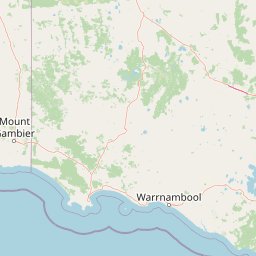
Discovery Bay Marine National Park is known for its role in protecting the marine waters along Victoria's western coastline near Cape Bridgewater. The park safeguards coastal marine environments that are part of the broader Glenelg Estuary and Discovery Bay Ramsar Site, one of Victoria's important wetland areas. The protected waters encompass the offshore zone adjacent to a distinctive coastal landscape featuring limestone cliffs, dunes, and the prominent basalt formations of Cape Bridgewater.
Discovery Bay Marine National Park history and protected-area timeline
Discovery Bay Marine National Park was established on 16 November 2002 as part of Victoria's marine protected area network. The park was designated under IUCN Category II, reflecting its status as a national park focused on marine ecosystem protection. The creation of this marine park complemented the existing Discovery Bay Coastal Park, which protects the adjacent terrestrial coastline. In 2018, the broader Discovery Bay area gained additional recognition through the designation of the Glenelg Estuary and Discovery Bay Ramsar Site, encompassing estuarine and coastal wetland habitats that extend beyond the marine park's boundaries. This Ramsar designation highlights the international ecological significance of the region and provides a framework for ongoing conservation of the interconnected marine, estuarine, and coastal ecosystems.
Discovery Bay Marine National Park landscape and geographic character
The marine park protects coastal waters along Victoria's Western District, a region characterised by a distinctive mix of geological features including the basalt cliffs and volcanic formations of Cape Bridgewater. The coastline in this area features a combination of sandy beaches, coastal dunes, and rocky shoreline elements that extend into the offshore marine environment. The marine waters themselves form part of the Southern Ocean ecosystem along Victoria's south coast, with the offshore zone extending to the limit of Victorian territorial waters. The adjacent Discovery Bay Coastal Park preserves the terrestrial landscape featuring limestone and basalt formations, dune systems, and the transition from coastal land to marine waters that defines this section of Victoria's shoreline.
Discovery Bay Marine National Park ecosystems, habitats, and plant life
Discovery Bay Marine National Park protects marine environments within Victoria's southern coastal zone, an area that forms part of the broader Southern Ocean marine ecosystem. The marine park is closely linked to the Glenelg Estuary and Discovery Bay Ramsar Site, which encompasses important estuarine and wetland habitats. These interconnected marine, estuarine, and coastal environments support diverse ecological communities characteristic of Victoria's southwestern coastline. The protection of these marine waters helps preserve habitats that contribute to the biodiversity of the Western District's coastal zone, including the waters adjacent to Cape Bridgewater where geological diversity and coastal processes create varied marine conditions.
Discovery Bay Marine National Park wildlife and species highlights
While detailed species information is limited in available sources, the Discovery Bay Marine National Park protects marine environments that support communities typical of Victoria's southern coastal waters. The adjacent Glenelg Estuary and Discovery Bay Ramsar Site provides additional context for the broader ecological significance of this coastal region, which includes estuarine habitats that support birdlife and other wetland species. The marine park's protected waters contribute to the conservation of marine ecosystems along Victoria's southwestern coast, an area where the Southern Ocean influences marine biodiversity and habitat patterns.
Discovery Bay Marine National Park conservation status and protection priorities
Discovery Bay Marine National Park represents Victoria's commitment to marine ecosystem protection along the state's southern coastline. The park's designation as a Category II protected area under the IUCN framework reflects its primary focus on marine conservation. The 2018 designation of the broader Glenelg Estuary and Discovery Bay Ramsar Site further underscores the ecological importance of this coastal region, recognising the international significance of the interconnected estuarine and marine habitats. The marine park works in conjunction with the Discovery Bay Coastal Park to provide comprehensive protection for both marine and terrestrial coastal environments in this region of Victoria's Western District.
Discovery Bay Marine National Park cultural meaning and human context
The Discovery Bay area is located near Cape Bridgewater in Victoria's Western District, a region with historical significance relating to Victoria's early European settlement and exploration. The coastal area around Portland and Cape Bridgewater has been an important maritime region since the early nineteenth century. The broader landscape of this part of Victoria's southwest coast has been shaped by geological processes over millions of years, with the basalt formations of Cape Bridgewater representing volcanic activity in the region's geological history. The area represents a coastal zone where marine and terrestrial environments meet, creating a landscape of ecological and historical significance within Victoria's protected area network.
Top sights and standout views in Discovery Bay Marine National Park
Discovery Bay Marine National Park provides protected status for Victoria's marine waters near Cape Bridgewater, preserving an important section of the state's southern coastline. The marine park's linkage to the Glenelg Estuary and Discovery Bay Ramsar Site highlights the ecological significance of the broader coastal and estuarine environment. Located adjacent to the Discovery Bay Coastal Park, the marine park forms part of an integrated approach to protecting both marine and terrestrial coastal environments in Victoria's Western District. The park's position along Victoria's southern coast places it within the Southern Ocean marine region, contributing to the state's network of marine protected areas.
Best time to visit Discovery Bay Marine National Park
The marine environment of Discovery Bay Marine National Park can be experienced year-round, though visitor activities in this region are influenced by Victoria's southern coastal climate. The summer months typically offer more favourable conditions for coastal exploration, while the broader Discovery Bay area provides opportunities for experiencing Victoria's southwestern coastline throughout the year.