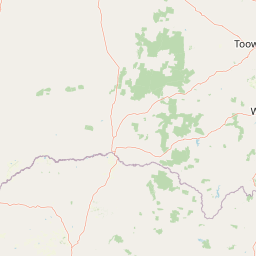
Why Dthinna Dthinnawan National Park stands out
Dthinna Dthinnawan National Park is best known for its cultural significance as a place named in the Gamilaraay language, meaning place for emu footprint, and for protecting important remnant vegetation communities in the Brigalow Belt and Nandewar bioregions of northern New South Wales. The park provides habitat for populations of koalas, squirrel gliders, and glossy black cockatoos, while also supporting several threatened species that inhabit the diverse vegetation communities. The extensive network of horse-riding trails spanning over 70 kilometers makes this park distinctive among New South Wales protected areas, offering recreational access that is less common in many other national parks.
Dthinna Dthinnawan National Park history and protected-area timeline
The history of Dthinna Dthinnawan National Park is deeply intertwined with the cultural heritage of the Gamilaraay people, whose traditional lands this area represents. The parks name, derived from the Aboriginal words dthinna dthinnawan, translates to place for emu footprint, capturing the historical importance of this landscape as a rich source of food and resources. The area provided abundant year-round resources for the Gamilaraay people, supporting their lifestyle and cultural practices over countless generations. On December 1, 2005, both Dthinna Dthinnawan National Park and the adjoining Dthinna Dthinnawan Nature Reserve were officially reserved, formalizing protection for this landscape and its natural and cultural values. This relatively recent establishment places the park among the newer additions to Australias national park system, reflecting continued efforts to identify and protect ecologically significant areas.
Dthinna Dthinnawan National Park landscape and geographic character
The landscape of Dthinna Dthinnawan National Park is characterized by relatively flat to undulating terrain that represents the inland plains of northern New South Wales. Scattered throughout the park are hills and rocky outcrops where sandstone and granite formations emerge from the surrounding terrain, providing visual interest and habitat diversity. These rocky outcrops create microhabitats that support specialized plant and animal species adapted to the rocky environment. The park sits within two recognized bioregions, the southern Brigalow Belt and the Nandewar, each contributing distinctive ecological character to the landscape. The combination of gentle topography with occasional elevated rocky features creates a varied scenery typical of the inland slopes region of New South Wales.
Dthinna Dthinnawan National Park ecosystems, habitats, and plant life
The ecological character of Dthinna Dthinnawan National Park is defined by its eleven identified vegetation communities, which create a diverse habitat mosaic across the protected landscape. The dominant tree species include black cypress, white cypress, and smooth-barked apple, representing the typical dry sclerophyll forest and woodland communities of the region. These vegetation communities provide important habitat for numerous species and represent remnant vegetation in a landscape that has been extensively modified for agriculture. The parks location spanning two bioregions contributes to its ecological diversity, as the Brigalow Belt and Nandewar each support distinct assemblages of plants and animals. Protecting these vegetation communities is significant for maintaining biodiversity in a region where much of the original vegetation has been cleared.
Dthinna Dthinnawan National Park wildlife and species highlights
Dthinna Dthinnawan National Park supports populations of several notable wildlife species, including koalas, squirrel gliders, and glossy black cockatoos. These species represent the parks diverse fauna, from arboreal marsupials to distinctive Australian birds. The park is also home to threatened species that depend on the remaining vegetation and habitat features for their survival. The black-striped wallaby, a vulnerable macropod, has been recorded in the park, alongside the zig-zag velvet gecko, squatter pigeon, and delicate mouse, all of which face conservation pressures in the broader landscape. The presence of these threatened species highlights the importance of the protected area in providing refuge for wildlife in a region where habitat loss has been significant.
Dthinna Dthinnawan National Park conservation status and protection priorities
The establishment of Dthinna Dthinnawan National Park represents an important conservation outcome for the Brigalow Belt and Nandewar bioregions, both of which have experienced considerable vegetation clearing and modification. By protecting remnant vegetation communities and the wildlife they support, the park provides a sanctuary for species including several that are considered threatened. The presence of koalas, squirrel gliders, glossy black cockatoos, and species such as the black-striped wallaby demonstrates the conservation value of this protected area. However, the park faces ongoing challenges from invasive species including feral goats, feral pigs, foxes, cats, wild dogs, and rabbits, as well as invasive weeds such as Coolatai grass, mother-of-millions, prickly pear, and whisky grass, all of which require active management to minimize their impact on natural values.
Dthinna Dthinnawan National Park cultural meaning and human context
The cultural context of Dthinna Dthinnawan National Park is rooted in the traditions of the Gamilaraay people, for whom the area held significant value as a resource-rich location providing year-round food and other necessities. The parks name itself, derived from Aboriginal language and meaning place for emu footprint, reflects this historical relationship between Indigenous people and the landscape. The area would have supported the Gamilaraay with abundant food resources, making it an important site within their traditional Country. This Aboriginal heritage adds cultural depth to the parks significance beyond its ecological values, representing the ongoing connection between Indigenous communities and the Australian landscape.
Top sights and standout views in Dthinna Dthinnawan National Park
Dthinna Dthinnawan National Park offers visitors the opportunity to explore a culturally significant landscape with a name derived from the Gamilaraay language. The parks eleven vegetation communities, dominated by black cypress, white cypress, and smooth-barked apple, support diverse wildlife including koalas, squirrel gliders, and glossy black cockatoos. Over 70 kilometers of horse-riding trails provide a distinctive recreational experience not commonly found in Australias national parks. The combination of cultural heritage, ecological diversity, and recreational opportunities makes this park a notable protected area in northern New South Wales.
Best time to visit Dthinna Dthinnawan National Park
The best time to visit Dthinna Dthinnawan National Park would typically be during the cooler months of autumn and spring when outdoor activities such as horse riding are more comfortable. The inland climate of northern New South Wales can become quite hot during summer, potentially limiting some activities. Winter months may offer mild conditions for exploration, though temperatures can be cool, particularly overnight. Visitors interested in wildlife viewing may find different experiences across seasons, as animal activity patterns change with temperature and food availability.