
Why Ein Gedi Nature Reserve stands out
Ein Gedi is best known for its spectacular desert oasis setting, where permanent springs create lush green valleys cascading with waterfalls amid the stark Judean Desert landscape. The reserve is famous for its population of Nubian ibex, which are regularly spotted on the rocky desert slopes, as well as for supporting an extraordinary concentration of birdlife with over 200 migratory species passing through during spring and fall. The Chalcolithic temple, one of the oldest known religious structures in the region, and the connection to biblical history as the site identified with Hazazon Tamar add significant archaeological prestige. The ongoing formation of sinkholes caused by the declining water level of the Dead Sea has also made the site a subject of environmental interest.
Ein Gedi Nature Reserve history and protected-area timeline
The history of Ein Gedi spans thousands of years, with the site holding significance from the Chalcolithic period through biblical times and into the modern era. The location is identified with the biblical Hazazon Tamar, a city mentioned in the Hebrew Bible that was renowned for its palm groves and date palm cultivation. Archaeological evidence at the nearby Tel Goren, the ancient mound adjacent to the nature reserve, reveals continuous habitation from the Iron Age through the Byzantine period, with the settlement serving at various times as a royal city of Judah and a frontier town in the Roman and Byzantine periods. The Chalcolithic shrine discovered within the reserve represents one of the earliest known religious structures in the region, attracting worshippers more than 5,000 years ago. During the Jewish-Roman wars, Ein Gedi served as a refuge, with historical references noting that David sought shelter in the area when fleeing from King Saul. The settlement experienced destruction during the Babylonian exile, revival in the fifth century BCE, and peak prosperity during the Herodian period before ultimately declining after the seventh century CE. The modern kibbutz Ein Gedi was established in the 1950s, and the nature reserve was declared in 1971, formalizing protection for this historically significant desert landscape.
Ein Gedi Nature Reserve landscape and geographic character
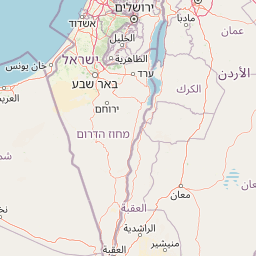
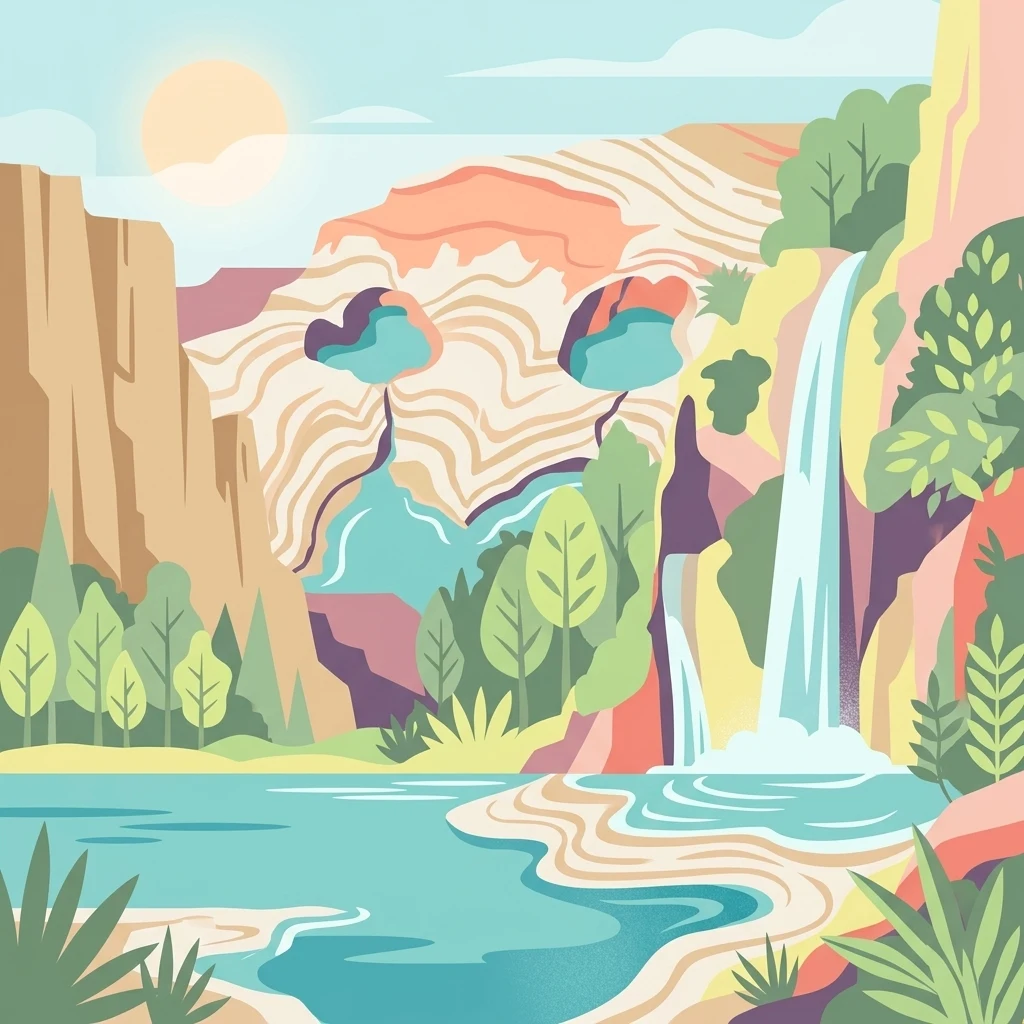
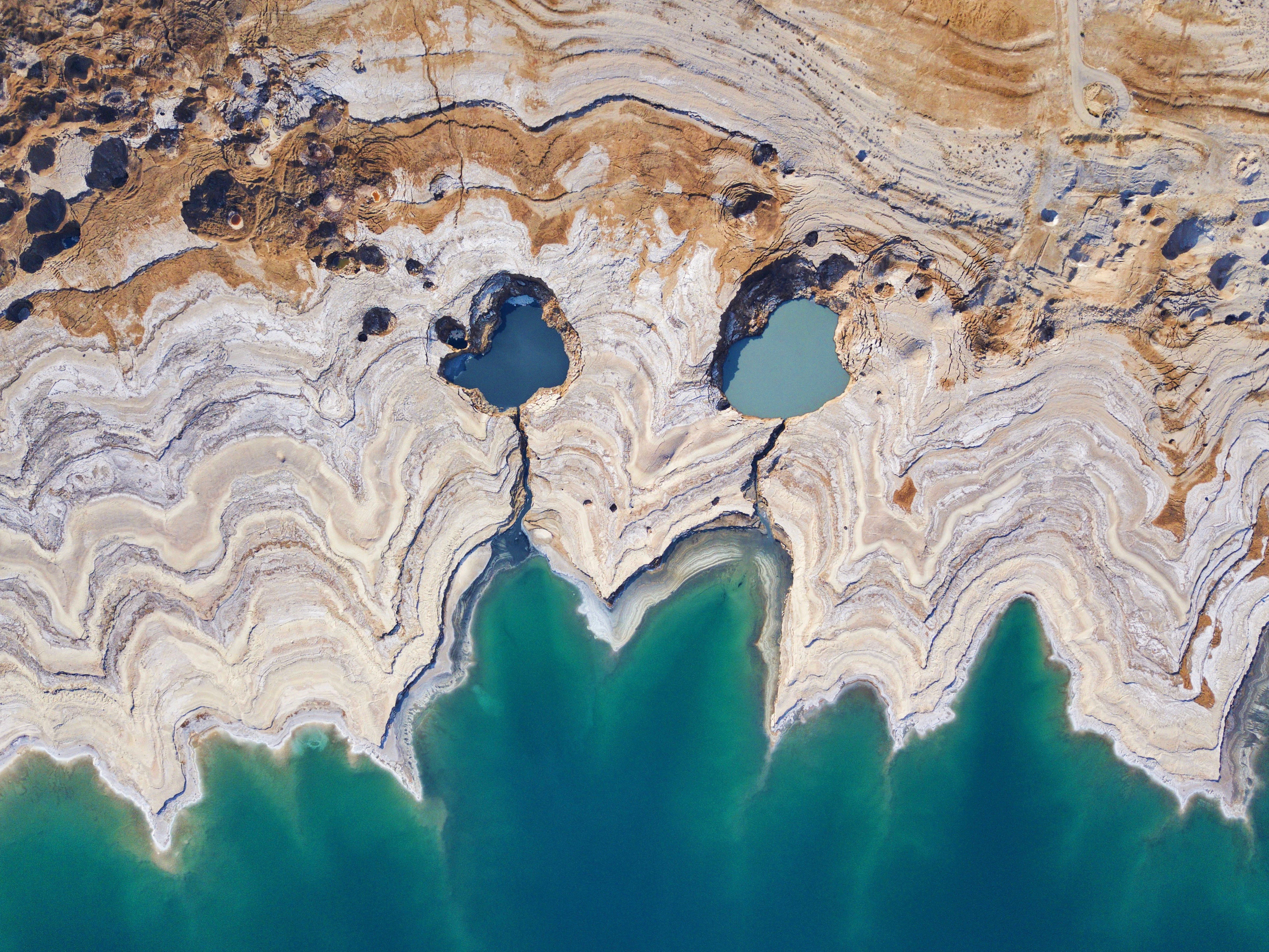
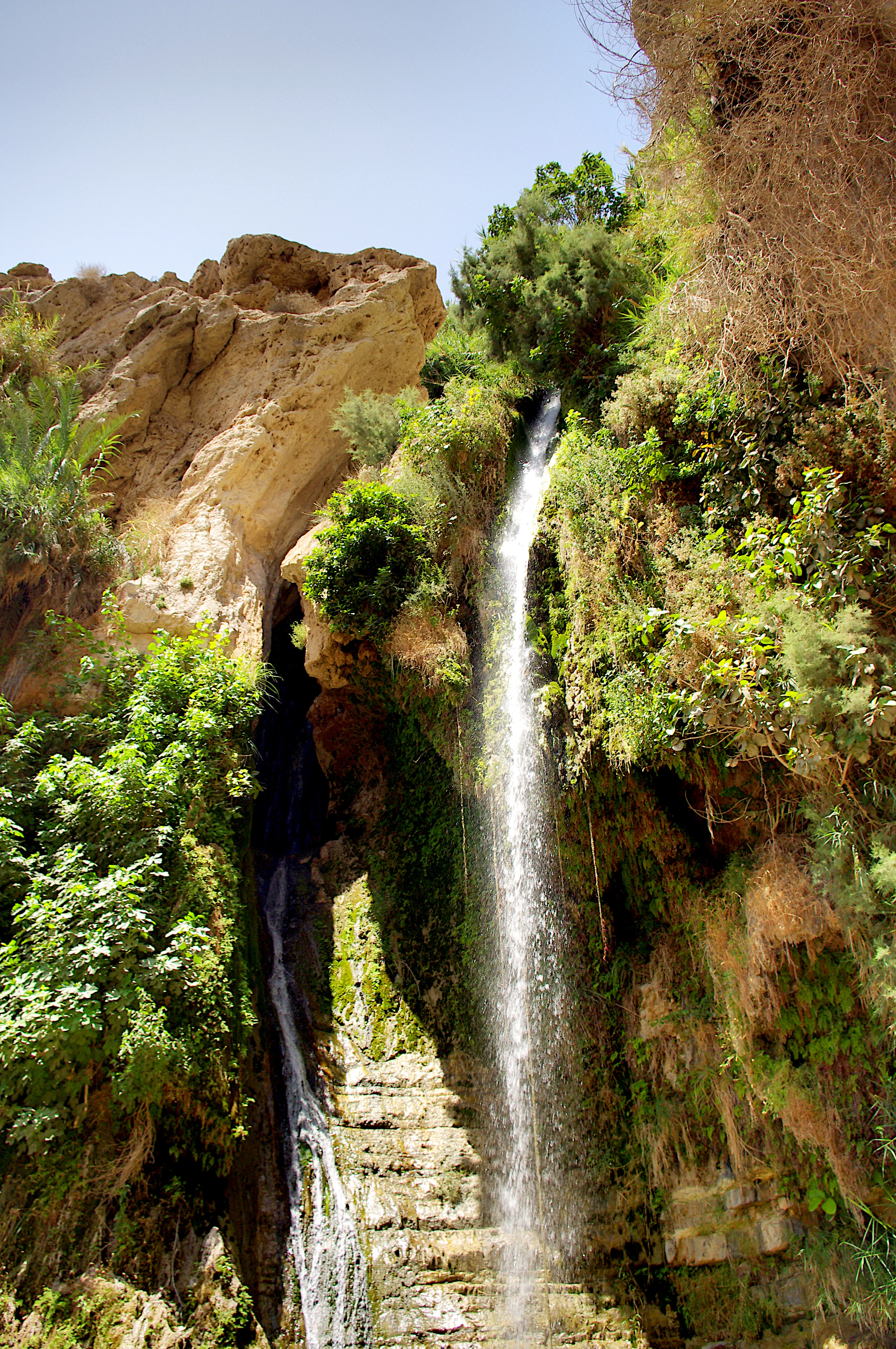
The landscape of Ein Gedi Nature Reserve presents a striking contrast between arid desert and lush oasis environments, shaped by the dramatic elevation gradient from the Dead Sea shore to the Judean Desert plateau. The reserve encompasses approximately 14 square kilometers of terrain characterized by deep wadis carved by seasonal flash floods, rocky desert slopes interspersed with alluvial fans, and the verdant corridors surrounding the perennial streams. The most dramatic topographic feature is the descent from the plateau at roughly 200 meters above sea level down to the Dead Sea shore at 423 meters below sea level, creating a landscape of steep cliffs, terraced slopes, and narrow canyon passages. The water-rich areas feature cascading waterfalls, with the David Falls and Arugot Falls representing the most spectacular examples of the spring-fed streams descending through the desert. The salt crusts of the Dead Sea shoreline and the karst terrain created by dissolving underground salt deposits contribute to an ever-changing landscape, particularly as the declining water level of the Dead Sea has accelerated sinkhole formation in the area. The combination of stark desert cliffs, verdant stream valleys, and the shimmering expanse of the Dead Sea creates one of the most visually dramatic protected landscapes in the Middle East.
Ein Gedi Nature Reserve ecosystems, habitats, and plant life
The ecological character of Ein Gedi is defined by the convergence of multiple biogeographic zones in a desert setting, creating a biodiversity hotspot that supports species from tropical, Mediterranean, desert, and steppe origins. The perennial water sources support riparian vegetation communities dominated by acacia trees, tamarisk, and oleander, while the surrounding desert slopes host drought-adapted species including the toxic Sodom apple and various salt-tolerant plants near the Dead Sea shore. The springs generate approximately three million cubic meters of water annually, much of which is utilized for agriculture in the region, with the remainder creating the wetland habitats that sustain the reserve's ecological richness. The botanical diversity is remarkable for a desert environment, with the reserve serving as a refuge for species that cannot survive in the surrounding arid terrain. The bird population is particularly significant, with resident species supplemented by over 200 migratory species that pass through during the spring and autumn migration seasons, making Ein Gedi a prime location for birdwatching in Israel. The karst groundwater system beneath the reserve, with its network of caves conveying water between sinkholes, represents a unique geological feature that influences both the hydrology and the ongoing landscape dynamics of the area.
Ein Gedi Nature Reserve wildlife and species highlights
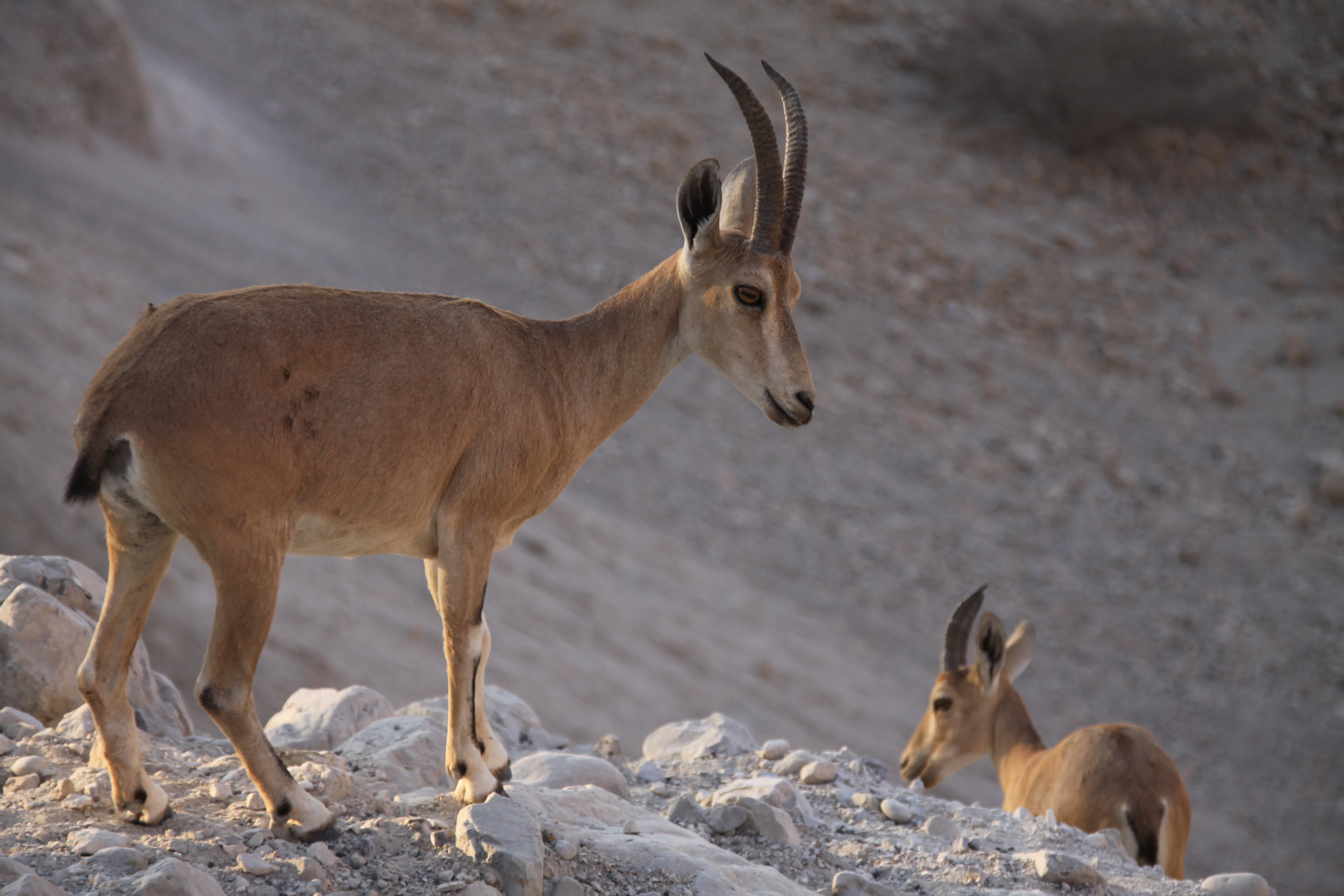
The wildlife of Ein Gedi Nature Reserve is characterized by species adapted to extreme desert conditions as well as those exploiting the unique water resources, creating a diverse assemblage of mammals, birds, and reptiles. The Nubian ibex is the most iconic large mammal species, with populations regularly observed on the rocky desert slopes and cliffs surrounding the stream valleys, their mastery of the steep terrain making them a favorite subject for wildlife photographers and visitors. The rock hyrax, a small mammal resembling a guinea pig, is another characteristic species of the reserve, often seen basking on rocks in the morning sun near the stream areas. Birdlife is exceptionally rich, with the reserve's position along the Great Rift Valley migration route bringing hundreds of species through seasonally, while resident birds including various sunbirds, bulbuls, and warblers exploit the oasis habitats. The combination of desert, rocky terrain, and wetland environments supports a reptile population including several snake species and lizards adapted to the harsh conditions. The ecological structure of the reserve, with its water sources creating distinct habitat islands within the desert, supports higher wildlife densities than would otherwise be expected in this arid region, making each encounter with wildlife a memorable aspect of visiting Ein Gedi.
Ein Gedi Nature Reserve conservation status and protection priorities
Ein Gedi Nature Reserve represents one of Israel's most important conservation achievements, protecting a unique desert ecosystem that would otherwise face significant degradation from development pressure and water extraction. The reserve's establishment in 1971 and subsequent expansion in 1988 reflects a growing recognition of the scientific and ecological value of the oasis, which serves as a critical refuge for species that cannot survive in the surrounding desert. The management challenge at Ein Gedi is complicated by the ongoing environmental changes affecting the Dead Sea region, particularly the declining water level that has accelerated sinkhole formation and altered the hydrological balance of the area. The Israel Nature and Parks Authority monitors these changes and implements adaptations to protect both visitors and the ecological integrity of the reserve as the landscape transforms. The reserve also preserves important archaeological resources, with the management approach balancing natural and cultural heritage conservation. The popularity of Ein Gedi, with approximately one million annual visitors, creates significant pressure on the environment, making visitor management and sustainable tourism practices essential components of the conservation strategy.
Ein Gedi Nature Reserve cultural meaning and human context
The cultural context of Ein Gedi extends far beyond its modern status as a nature reserve, encompassing millennia of human presence shaped by the life-giving springs that make this desert location habitable. The site appears in the Hebrew Bible as Hazazon Tamar, the city of date palms that was destroyed during the Babylonian exile and subsequently revived during the Persian and Hellenistic periods. The name Ein Gedi itself appears in biblical texts, and the area is associated with David's flight from Saul, adding to the site's historical prestige. The Roman and Byzantine-period synagogue discovered in the adjacent archaeological park testifies to the continued Jewish presence at Ein Gedi through late antiquity, while the Chalcolithic temple represents one of the earliest examples of religious practice in the region. The modern kibbutz established in the 1950s continues the tradition of human settlement, with the internationally acclaimed botanical garden and eco-park demonstrating contemporary approaches to living sustainably in this challenging environment. The cultural landscape reflects the intersection of ancient agricultural practices, biblical history, archaeological discovery, and modern ecological awareness.
Top sights and standout views in Ein Gedi Nature Reserve
The highlights of Ein Gedi Nature Reserve combine natural spectacle with historical depth, beginning with the spectacular David Falls and Arugot Falls where spring water cascades through desert canyons. The population of Nubian ibex, often visible on the rocky slopes, provides exceptional wildlife viewing opportunities in a dramatic setting. The archaeological remains including the rare Chalcolithic temple offer connections to ancient religious practices dating back over 5,000 years. The botanical diversity, with plants from four biogeographic regions growing together, creates a living demonstration of ecological convergence. The contrast between the stark Judean Desert and the lush oasis environment provides one of the most visually striking landscapes in any protected area. The visitor experience is enhanced by the proximity to other significant sites including Masada, Qumran, and the Dead Sea beaches, making Ein Gedi a gateway to understanding the historical and natural heritage of this region.
Best time to visit Ein Gedi Nature Reserve
The best time to visit Ein Gedi is during the cooler months from October through April, when daytime temperatures are moderate and comfortable for hiking the desert trails. Summer months from May through September bring extreme heat that can exceed 40 degrees Celsius in the lower elevations, making outdoor activity dangerous during midday hours. The spring and autumn seasons offer the additional advantage of migratory bird passages, with hundreds of species passing through the reserve during these periods, creating exceptional birdwatching opportunities. Winter can bring occasional rain that may affect access to some trails, though the desert landscape responds dramatically to any precipitation with temporary waterfalls and renewed vegetation growth. Early morning visits are recommended year-round to observe wildlife activity and experience the peaceful atmosphere before visitor numbers increase.