
Why Eshkol National Park stands out
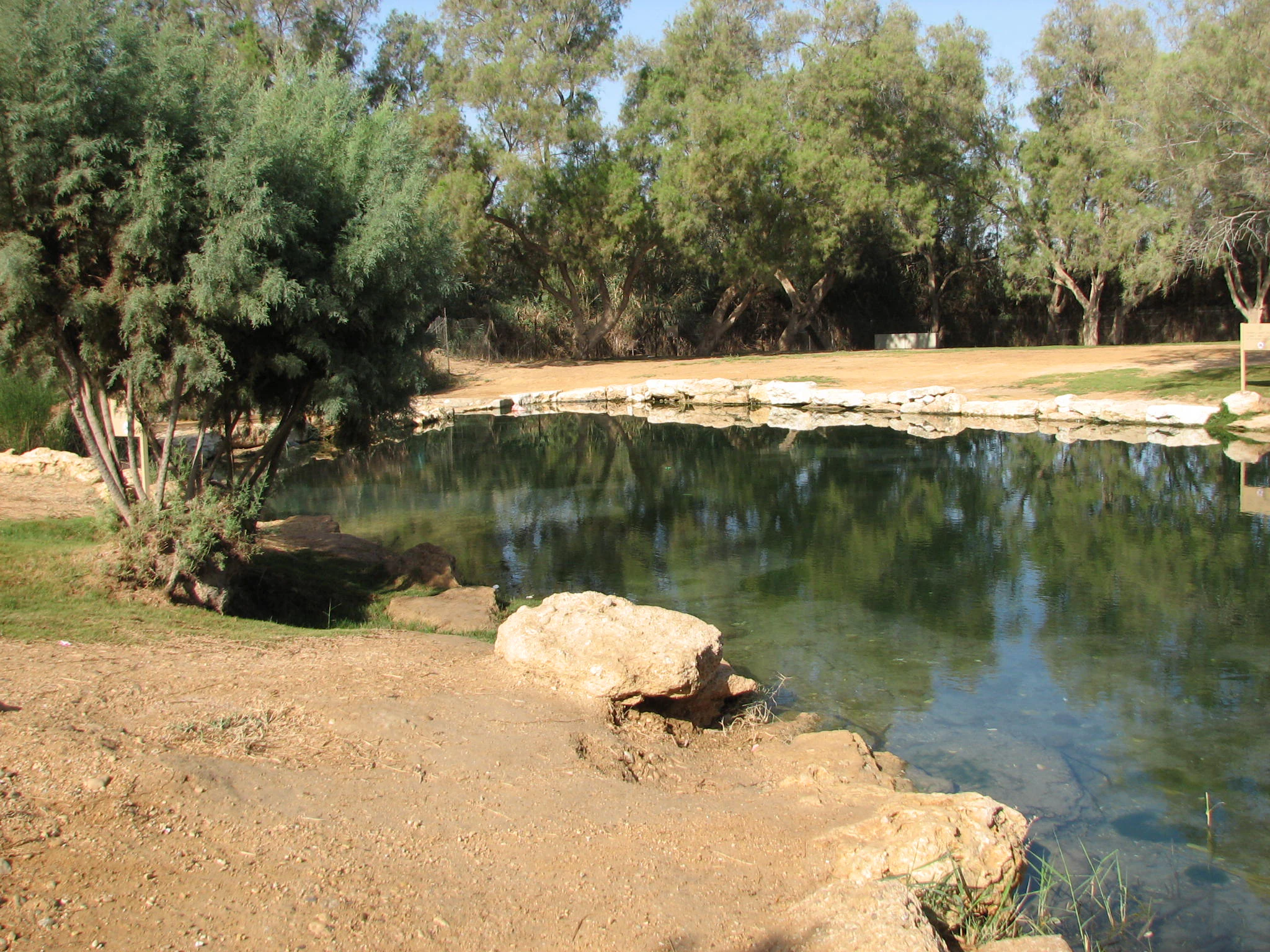
Eshkol National Park is best known for Ein HaBesor, the largest spring in the Besor Stream basin, which creates a rare desert wetland environment in the heart of the arid Negev. The park's combination of natural springs, archaeological significance, and cultural history makes it distinctive among Israeli protected areas. The Byzantine church mosaic discovered at Khirbet Shalala by ANZAC troops during the First World War, now displayed in the Australian War Memorial in Canberra, represents a particularly unique historical connection to this landscape.
Eshkol National Park history and protected-area timeline
The Eshkol area has been inhabited since ancient times, with the nearby Tell el-Far'ah (South) mound showing continuous human presence from the Early Bronze Age through the Roman Empire, a period of approximately two thousand years. At this site, Flinders Petrie conducted important archaeological excavations that contributed significantly to understanding of the region. During the First World War, ANZAC troops stationed in the area discovered an elaborate Byzantine church mosaic at Khirbet Shalala depicting various animals. This mosaic, part of the ruins of a Byzantine church, was subsequently removed and now resides in the Australian War Memorial in Canberra. The Romans constructed supporting walls along the Besor Stream to prevent erosion of the archaeological mound, and a historic road from Beer Sheva to Rafah passed through the area, linking the inland desert city with the coastal approach to Egypt.
Eshkol National Park landscape and geographic character
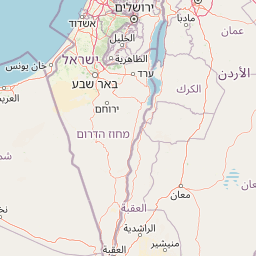
The park sits within the Besor valley, a broad drainage system in the Northern Negev that carries seasonal runoff from winter rains eastward toward the Mediterranean coast. The landscape is characterized by flat desert terrain punctuated by the lush vegetation surrounding the spring-fed wetlands. The mound of Khirbet Shalala rises east of the springs, dominating the local topography and providing views across the Besor valley. The aquifer system here lies near the surface, allowing natural springs to emerge and create areas of permanent vegetation including date palms and riparian plants. The contrast between the green wetland areas and the tan desert plains defines the park's visual character.
Eshkol National Park ecosystems, habitats, and plant life
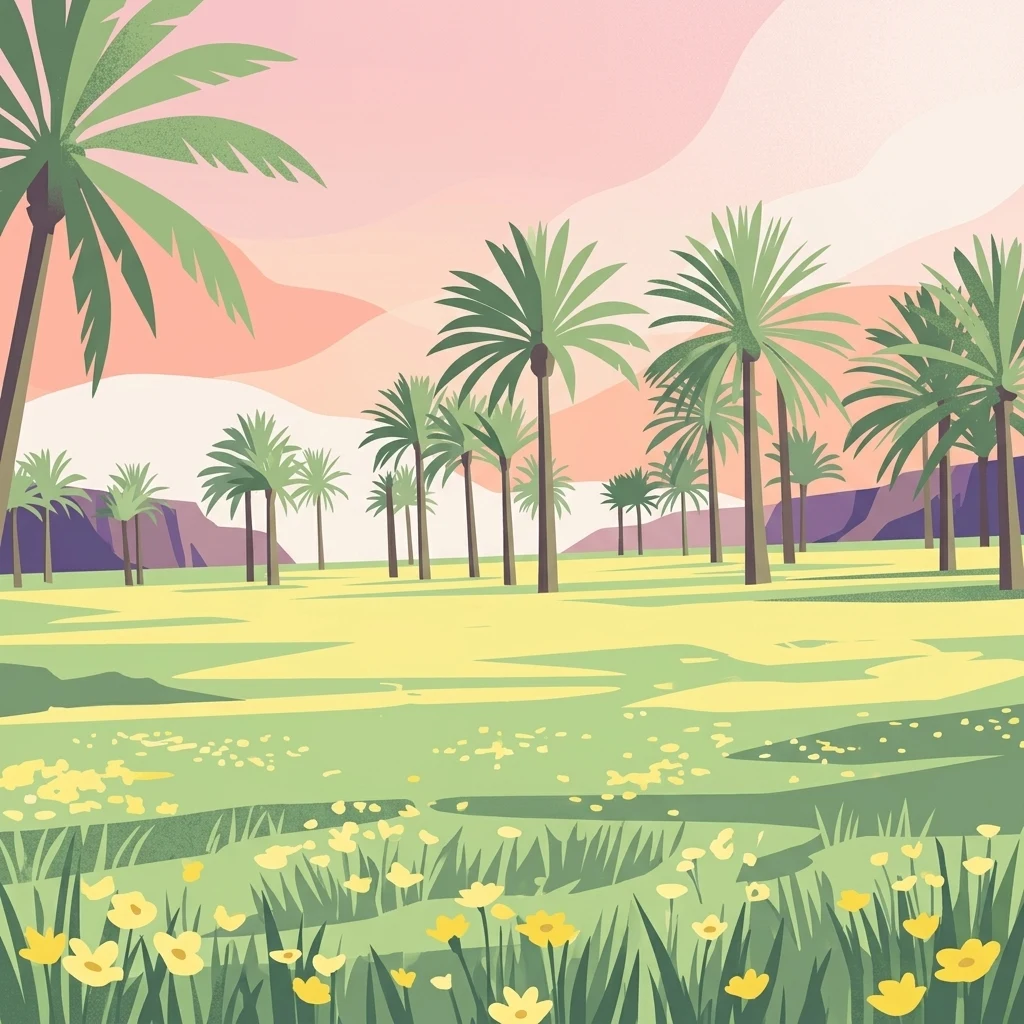
The ecosystem at Eshkol represents a rare desert wetland type found in few other locations in Israel. The permanent water flow from Ein HaBesor supports riparian vegetation including date palms, reeds, and grasses that form an oasis within the semi-arid Negev. The aquifer is recharged by winter rainfall and provides the hydrological foundation for this ecological phenomenon. Birdlife is attracted to the water sources, particularly during migration seasons, and the wetland habitat supports species adapted to both desert and aquatic environments. This juxtaposition of desert and wetland makes the park ecologically significant beyond its relatively modest size.
Eshkol National Park wildlife and species highlights
The park's wetland habitat attracts birdlife uncommon in the surrounding desert, including various waterfowl and migratory species that stop at the springs during their seasonal movements. The date palm groves and riparian vegetation provide nesting and foraging habitat for desert birds. Small mammals and reptiles inhabit the transition zone between the wetland areas and the drier desert beyond. The ecological significance lies not in any single flagship species but in the habitat itself, which represents a biodiversity hotspot within the arid Negev environment.
Eshkol National Park conservation status and protection priorities
Eshkol National Park protects one of the few remaining desert wetland systems in the Northern Negev, making it important for preserving ecological diversity in Israel's southern region. The park's protection ensures the continuation of the aquifer-fed spring system and the unique habitat it supports. This protected area also preserves access to significant archaeological resources and maintains the cultural landscape where ancient settlement, agricultural use, and natural processes have interacted over millennia. The Israel Nature and Parks Authority manages the site to balance public recreation with natural and cultural preservation.
Eshkol National Park cultural meaning and human context
The Eshkol area represents a crossroads of history where desert nomadic culture, biblical settlements, Byzantine Christianity, and modern Israeli development have all left traces. The nearby Tell el-Far'ah (South) archaeological site reflects Egyptian-influenced anthropoid coffin traditions and was an important settlement during multiple historical periods. The discovery of the Byzantine mosaic by ANZAC troops during the 1917 Second Battle of Gaza created a historical connection between this landscape and Australian military history. The historic road from Beer Sheva to Rafah passed through this area, linking the desert interior with the coastal corridor to Egypt.
Top sights and standout views in Eshkol National Park
The park's main highlight is the large spring at Ein HaBesor, which creates a year-round green oasis in the desert and supports the wetland ecosystem. Visitors can explore the archaeological mound of Khirbet Shalala with its Byzantine church foundations and enjoy the contrast between the water-fed vegetation and the surrounding semi-arid landscape. The proximity to Tell el-Far'ah (South) offers opportunities to understand the deeper archaeological significance of the Besor valley. Picnic areas and maintained grounds make the park accessible for families while the natural and cultural features provide interest for those seeking more than basic recreation.
Best time to visit Eshkol National Park
The optimal time to visit Eshkol National Park is during the Israeli spring months of March through May, when temperatures are comfortable and the desert landscape often displays blooming wildflowers. Winter months from December through February can also be pleasant, though temperatures may be cooler, while the aquifer continues to provide reliable water flow year-round. Summer months bring high temperatures that make extended outdoor activity uncomfortable. The spring maintains consistent flow throughout the year regardless of season, so the park's main natural feature is always accessible.