
Why Finke Gorge National Park stands out
Finke Gorge National Park is best known for Palm Valley, a desert oasis that supports the only surviving populations of the Central Australian Cabbage Palm in the world. This rare palm species, Livistona fulva, thrives in the sheltered gorges where water pools seasonally, creating a striking contrast with the surrounding desert landscape. The park's Finke River is geologically extraordinary, with sections estimated at 350 million years old, making it one of the oldest continuously flowing river systems on the planet. The dramatic rock amphitheatre surrounded by rugged cliffs provides another distinctive feature, visible from the Kalaranga lookout. The combination of ancient geological heritage, unique botanical resources, and deep Aboriginal cultural connections makes this park a standout destination in Australia's protected area network.
Finke Gorge National Park history and protected-area timeline
Finke Gorge National Park was officially established on 28 October 1966, creating formal protection for a landscape that had long held significance for Aboriginal peoples and was increasingly recognized for its unique natural values. The establishment of the park reflected growing awareness in mid-twentieth-century Australia of the need to preserve distinctive natural areas beyond the more commonly protected coastal and alpine regions. In 1980, the national park was listed on the Register of the National Estate, acknowledging its combined natural and cultural significance at the national level. The Western Arrernte Aboriginal people have maintained cultural connections to this landscape for generations, and their traditional knowledge and mythology are woven into the park's identity through features like the Mpaara Walk, which introduces visitors to Aboriginal cultural stories associated with the land. European exploration of the area also left traces that contribute to the broader historical narrative of central Australian exploration and settlement, though the park's primary significance remains its ancient natural heritage and ongoing Aboriginal cultural associations.
Finke Gorge National Park landscape and geographic character
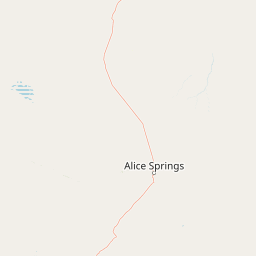
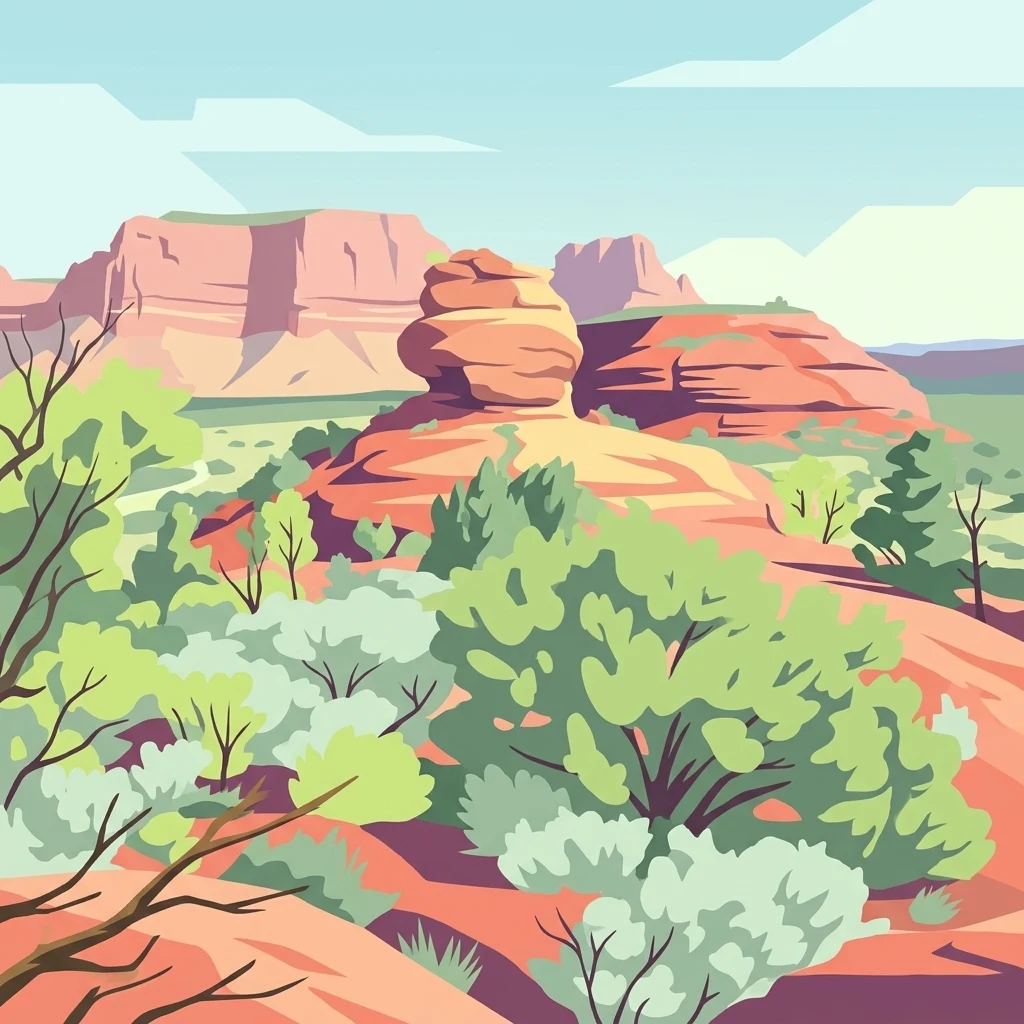
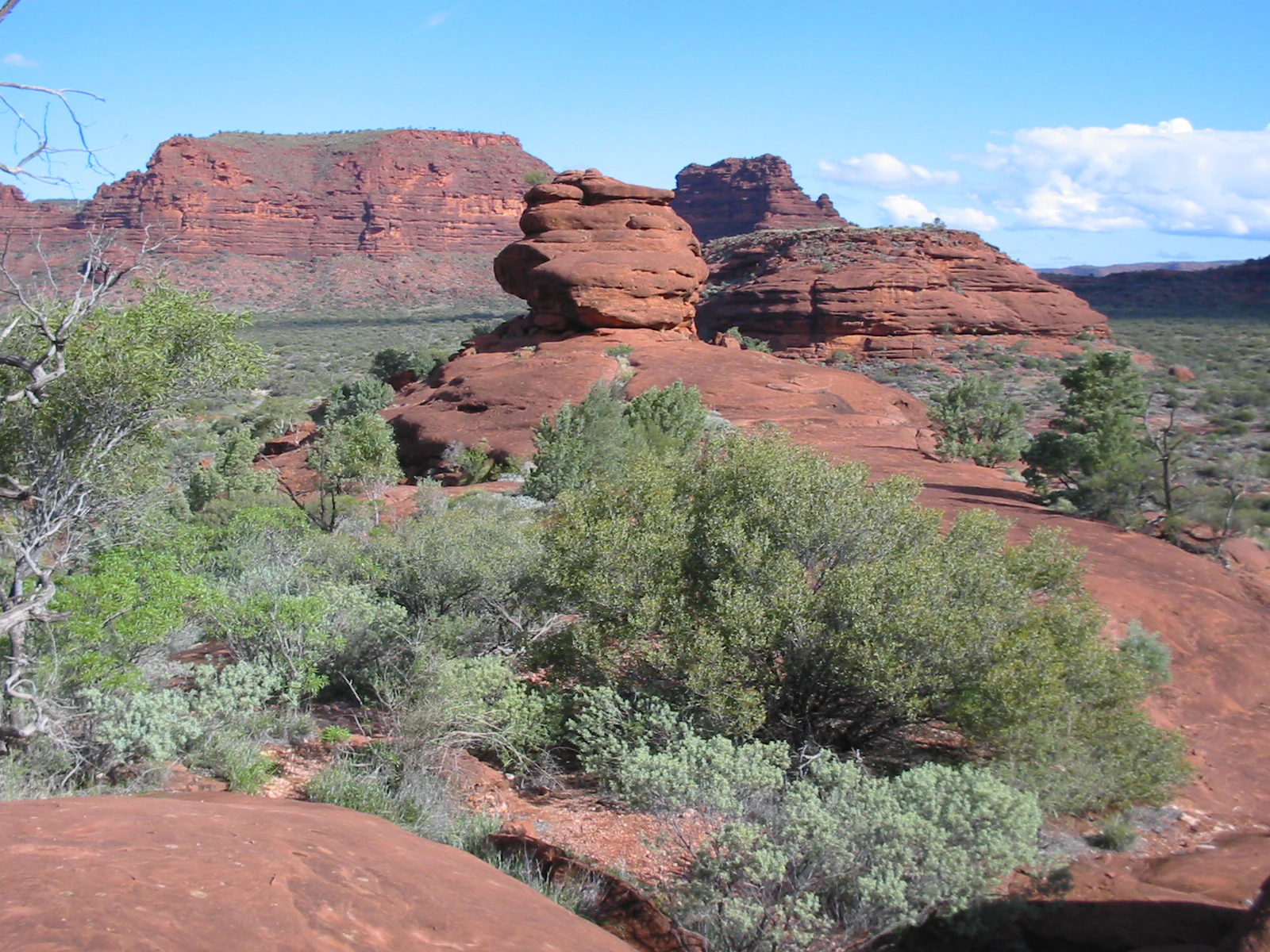
The landscape of Finke Gorge National Park exemplifies the dramatic contrast between central Australia's vast arid plains and the sheltered, moisture-retaining environments created by its river systems. The park's terrain is dominated by sandstone formations that have been sculpted by water and wind over geological timescales, creating deep gorges, vertical cliffs, and natural amphitheatres that provide both visual drama and ecological refuge. Palm Valley itself occupies a relatively small but critical portion of the park, where the Finke River has cut a course through the surrounding terrain, creating a riparian corridor that supports the palm communities. The river's course is characterized by sandy beds, rocky sections, and pools that retain water even when the surface flow has ceased, providing essential moisture for the palms and other riparian vegetation. Beyond the valley, the park encompasses typical central Australian terrain of red sand, sparse vegetation, and distant horizons broken by rock outcrops and the occasional stand of trees. The amphitheatre formation accessible via Kalaranga lookout represents one of the park's most impressive geological features, a natural arena of cliff faces enclosing a relatively flat basin floor.
Finke Gorge National Park ecosystems, habitats, and plant life
The ecological character of Finke Gorge National Park is defined by the tension between central Australia's harsh desert conditions and the localized oasis conditions created by the Finke River system. Palm Valley represents a unique habitat island in the arid landscape, where shade, moisture, and sheltered conditions allow vegetation types more typical of wetter regions to persist. The Central Australian Cabbage Palm is the dominant species and the park's most significant botanical feature, forming dense groves that create a microhabitat for other plant and animal species. Beyond the palms, the park supports other riparian vegetation including river red gums and various shrub species adapted to the unpredictable water availability. The surrounding desert areas support their own complement of adapted species, including various desert shrubs, grasses, and the occasional woody species. Birdlife is particularly notable in the palm groves, where the shade and water sources attract species that would otherwise be absent from the immediate desert environment.
Finke Gorge National Park wildlife and species highlights
The wildlife of Finke Gorge National Park reflects the dual nature of the park's habitats, with distinct communities occupying the riparian corridors and the surrounding desert. The palm groves of Palm Valley support bird populations including various parrot and honeyeater species that are attracted to the nectar-producing plants and the shelter provided by the dense frond canopies. Reptiles are well represented in the park, as they are throughout central Australia, with various gecko, skink, and dragon species occupying both the rocky outcrops and the sandy areas. Mammals in the park include a range of small marsupials and bats, with the latter often roosting in the caves and overhangs of the gorge walls. The Finke River corridor provides migration pathways and temporary water sources that benefit species moving through the broader arid landscape, connecting the park to broader ecological networks even in times of drought. The park's significance for wildlife is perhaps most pronounced during dry periods when the oasis areas become increasingly important refuges.
Finke Gorge National Park conservation status and protection priorities
Finke Gorge National Park serves as the primary conservation mechanism for one of Australia's most geographically restricted plant species, the Central Australian Cabbage Palm. The entire global population of this species is confined to the Palm Valley area within the park, making any threats to the habitat potentially existential for the species. The vulnerability of the palm seedlings to visitor impact has necessitated the establishment of walking tracks that direct foot traffic away from the densest seedling areas, and visitors are asked to remain on marked paths to prevent trampling damage. The park's classification as an IUCN Category V protected landscape reflects its role in preserving a landscape that combines natural values with ongoing human use and cultural significance, rather than maintaining a strictly wilderness character. The listing on the former Register of the National Estate provided formal recognition of both the natural and cultural values that the park protects, acknowledging the combined significance that distinguishes this area from more purely natural reserves.
Finke Gorge National Park cultural meaning and human context
The Western Arrernte Aboriginal people hold deep cultural connections to the Finke Gorge landscape, with traditional associations that predate European contact by thousands of years. The park and its features are embedded in Aboriginal mythology and traditional knowledge systems, with the Mpaara Walk providing visitors with an introduction to these cultural narratives. The landscape is not merely a backdrop to Aboriginal history in the area but an active component of continuing cultural practice and identity for the Western Arrernte community. The Finke River itself carries cultural significance beyond its geological age, serving as a connection point between the park and the broader regional landscape that Aboriginal people have managed and occupied over millennia. The presence of evidence from early European settlement adds another layer to the park's human history, though this represents a much shorter timeframe than the Aboriginal associations with the land.
Top sights and standout views in Finke Gorge National Park
The most outstanding highlights of Finke Gorge National Park center on its unique botanical treasures and dramatic geological formations. Palm Valley remains the park's signature destination, where visitors can walk among thousands of Central Australian Cabbage Palms in an environment that feels impossibly green against the surrounding red desert. The Arankaia Walk and the longer Mpulungkinya Walk both wind through the palm groves, with the latter returning across a scenic plateau that provides panoramic views of the valley. The climb to Kalaranga lookout, a twenty-minute walk from the parking area, rewards visitors with sweeping views of the rock amphitheatre and the sheer cliff walls that enclose it. The Finke River four-wheel-drive route that begins at the park and extends toward Illamurta Springs and Watarrka National Park provides access to remote desert landscapes that few visitors experience. For those interested in cultural heritage, the Mpaara Walk offers insight into the Western Arrernte mythology connected to this landscape.
Best time to visit Finke Gorge National Park
The cooler months from May to September represent the most comfortable time to visit Finke Gorge National Park, when daytime temperatures are moderate and the risk of extreme heat is minimal. Central Australia experiences very hot summers, with temperatures regularly exceeding 40 degrees Celsius, making summer visits uncomfortable and potentially dangerous for bushwalking activities. Winter nights can be cold, but the daytime weather is typically pleasant for exploration. The park can be visited year-round, but the shoulder seasons of autumn and spring offer a balance between comfortable temperatures and the chance to experience the landscape in different conditions. The palm valley is most verdant after periods of rainfall, though central Australia receives limited precipitation overall. Visitors planning overnight camping should be aware that the park's facilities are basic and that the remote location requires self-sufficiency in terms of supplies and equipment.