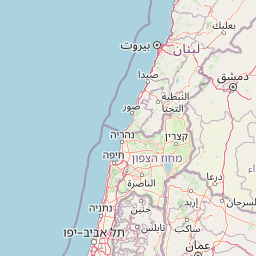
Why Gan HaShlosha National Park stands out
Gan HaShlosha is best known for its natural spring-fed pools and cascading waterfalls, which create a striking oasis in the Jordan Valley landscape. The warm mineral-rich waters of the springs have attracted visitors for millennia, and today the park offers visitors the opportunity to swim in these ancient waters. Beyond its natural springs, the site is notable for its archaeological significance, with ruins including a Roman-era bathhouse, Byzantine churches, and Crusader-period structures scattered throughout the park.
Gan HaShlosha National Park history and protected-area timeline
The history of Gan HaShlosha stretches back to antiquity. The springs attracted human settlement and use from early periods, with archaeological evidence suggesting continuous occupation or use of the site from at least the Hellenistic era. During the Roman period, the site developed more extensively, with the construction of bathhouses that utilized the therapeutic properties of the mineral-rich spring waters. The Byzantine period saw the establishment of churches at the site, reflecting its continued religious and cultural significance. Later, Crusader forces constructed fortifications at the location before the area came under Mamluk and eventually Ottoman control. The modern national park was established to preserve both the natural springs and the archaeological heritage of this historically significant location.
Gan HaShlosha National Park landscape and geographic character
The landscape of Gan HaShlosha National Park contrasts sharply with the surrounding Jordan Valley environment. While the valley floor is characterized by semi-arid conditions and agricultural development, the springs at Gan HaShlosha create a verdant oasis with lush vegetation, date palms, and papyrus reeds. The terrain slopes gently from the nearby hills down to the spring-fed pools, with small waterfalls cascading over limestone outcrops. The warm waters of the springs maintain temperatures that support aquatic life and allow for year-round swimming, creating a tropical-like environment in this temperate region. The combination of water, vegetation, and the ruins of ancient structures creates a distinctive and memorable landscape.
Gan HaShlosha National Park ecosystems, habitats, and plant life
The ecosystem around Gan HaShlosha's springs represents a unique habitat in the Jordan Valley region. The perpetual flow of warm, mineral-rich water supports a distinctive aquatic environment with species adapted to these conditions. The riparian vegetation surrounding the pools includes species typical of wetland environments, creating a green corridor in the otherwise dry landscape. The area supports birdlife attracted to the water and vegetation, and the stable water temperature creates conditions for aquatic organisms not found in the surrounding ephemeral water bodies. This natural spring system represents an important ecological feature in the region, providing permanent water habitat in an area where such resources are scarce.
Gan HaShlosha National Park conservation status and protection priorities
Gan HaShlosha National Park represents an important conservation priority in Israel, protecting both a unique natural spring ecosystem and significant archaeological heritage. The springs are a limited and irreplaceable resource, and their protection ensures that future generations can experience this natural phenomenon. The park's designation as a national park reflects recognition that both the natural and cultural elements of the site warrant preservation. Management of the park balances public access and recreation with the need to protect the springs, archaeological remains, and the overall ecological character of the area.
Gan HaShlosha National Park cultural meaning and human context
Gan HaShlosha occupies a position in the historical and cultural landscape of Israel that connects natural phenomena with human history across millennia. The location's springs have been a gathering point for communities since ancient times, with the biblical name Shechem potentially connected to this area. The site's continuous use through successive civilizations, from Hellenistic through Ottoman periods, reflects the enduring attraction of the spring waters. Today, the park represents a place where visitors can connect with both natural phenomena and the historical layers of human presence in this region of Israel.
Top sights and standout views in Gan HaShlosha National Park
The natural springs and warm-water pools of Gan HaShlosha remain the park's primary draw, offering visitors the unique experience of swimming in waters that have flowed for millennia. The archaeological trail through ancient ruins provides insight into the site's long history of human use, from Roman bathhouses to Byzantine churches. The contrast between the lush spring environment and the surrounding Jordan Valley creates a striking visual experience. The park's accessibility and the year-round appeal of its warm springs make it a popular destination for families and visitors seeking to experience both nature and history.
Best time to visit Gan HaShlosha National Park
The warm springs of Gan HaShlosha maintain their temperature throughout the year, making the park a viable destination in any season. However, the summer months typically see the highest visitation, when the warm waters provide relief from the Jordan Valley heat. Spring and autumn offer comfortable temperatures for exploring the archaeological site and walking through the park's grounds. Winter brings fewer visitors and can provide a more tranquil experience, though the cooler air temperatures may make swimming less appealing than in summer months.