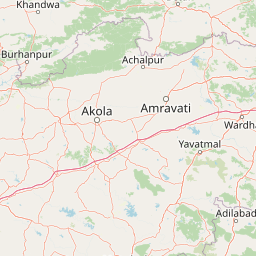
Why Gugamal National Park stands out
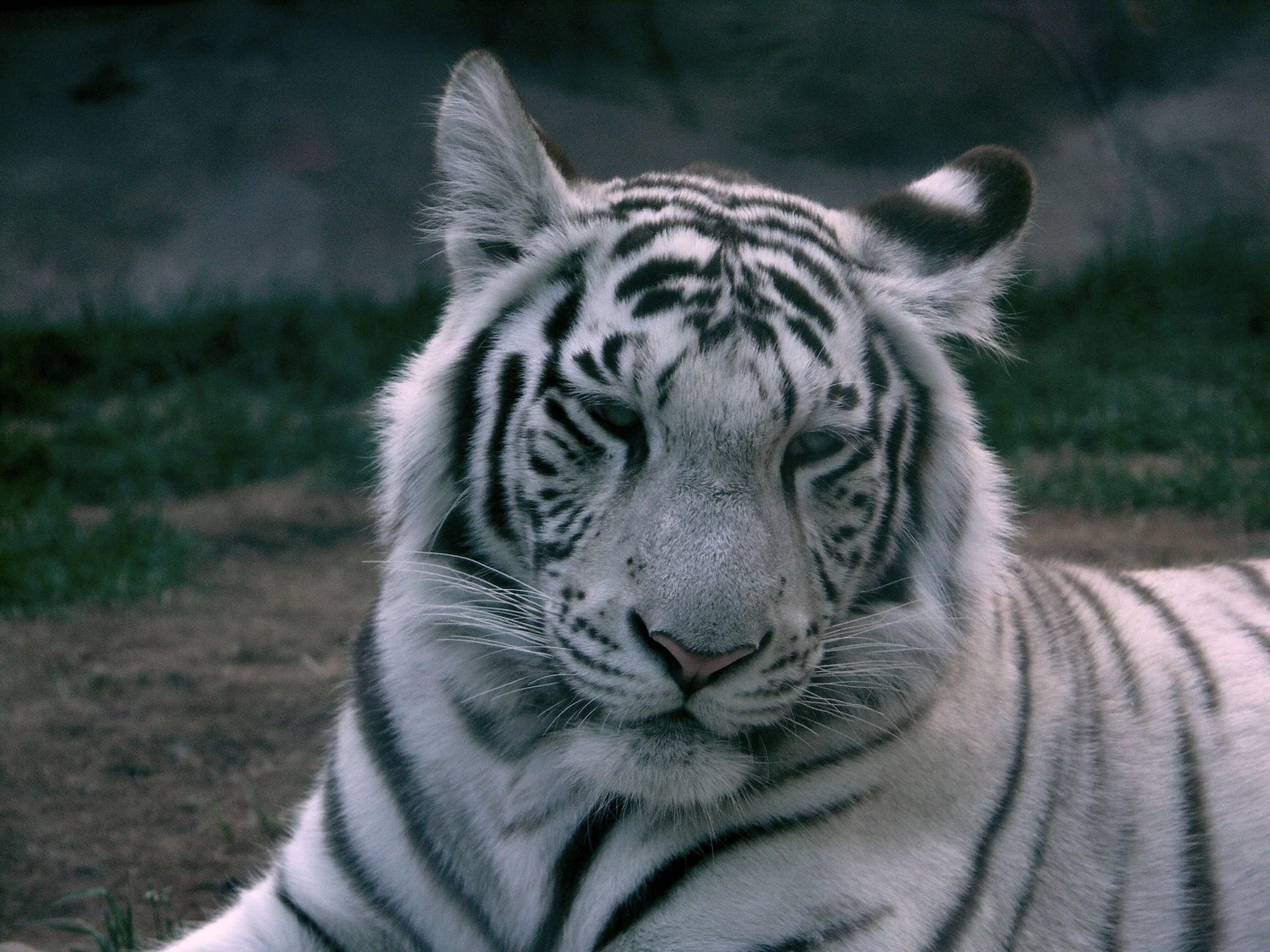
Gugamal National Park is best known as a core tiger habitat within the Melghat Tiger Reserve, supporting one of Maharashtra's key populations of Bengal tigers. The park's rugged hill forests also harbor substantial populations of Indian leopards and represent one of the westernmost strongholds for this large carnivore in central India. The park is notable for its diverse mammal community that includes sloth bears, Asian elephants, gaurs, and four-horned antelopes, as well as the reintroduction of crocodiles into its river systems.
Gugamal National Park history and protected-area timeline
Gugamal National Park was established on 22 February 1974 as part of Maharashtra's commitment to conserving its forest ecosystems and wildlife. The park was created as a core protected area within what would later become the Melghat Tiger Reserve, designated under India's Project Tiger conservation program. The formation of the park responded to growing recognition during the 1960s and early 1970s that the forests of the Satpura Range faced significant pressure from logging, hunting, and habitat conversion. The establishment of Gugamal provided legal protection to the most ecologically significant portion of the Melghat forests, creating a sanctuary where wildlife could exist with minimal human interference. Over the subsequent decades, the park has been managed as part of the integrated Melghat Tiger Reserve, which encompasses both core protected zones and surrounding buffer areas.
Gugamal National Park landscape and geographic character
The landscape of Gugamal National Park is defined by the rugged topography of the Satpura Range, characterized by steep, often nearly vertical hillsides, deep valleys carved by seasonal streams, and rocky plateaus that break the monotony of the forest cover. The elevation range creates distinct microclimates across the park, with higher ridges supporting different vegetation communities than the valley floors. The terrain is predominantly rocky, with exposed granite and basalt formations visible along hill faces and streambeds. The park's drainage network includes several perennial and seasonal rivers that flow through narrow gorges, creating riparian corridors through the forest. This physical landscape of steep terrain and rocky substrates has historically limited human settlement and agricultural development, contributing to the park's relatively intact forest character.
Gugamal National Park ecosystems, habitats, and plant life
The forest ecosystem of Gugamal National Park represents the southern dry tropical deciduous forest type, a vegetation classification that describes woodlands dominated by trees that lose their leaves during the dry winter season. The canopy is primarily composed of teak, a commercially valuable hardwood species that forms extensive pure stands in certain areas, interspersed with other tree species including ain, Indian gooseberry, lendia, dhawada, and kusum. Bamboo dominates the understory in many areas, forming dense thickets that provide important habitat for various species. The upper hill slopes support populations of orchids and strobilanthes, adding floral diversity to the forest. The park is also recognized for its medicinal plant resources, with several plant species of traditional therapeutic value occurring throughout the area. This forest structure supports the diverse mammal community that characterizes the park.
Gugamal National Park wildlife and species highlights
Gugamal National Park supports a remarkable diversity of mammalian wildlife, with the Bengal tiger and Indian leopard representing the apex predators of this ecosystem. The park's prey base supports these large carnivores through populations of sambar deer, cheetal (spotted deer), gaur (Indian bison), four-horned antelope, barking deer, nilgai, and wild boar. Other notable mammals include the sloth bear, Asian elephant, Ussuri dhole (wild dog), Indian jackal, honey badger, and flying squirrel. Primate species include langurs and rhesus monkeys, while macaques are also present. The park's aquatic habitats support populations of crocodiles, reintroduced systematically in 1990 and 1991, as well as approximately 25 fish species. The invertebrate fauna includes numerous butterfly species, adding to the park's biodiversity. This assemblage of wildlife reflects the park's role as a refuge for central India's forest-dependent species.
Gugamal National Park conservation status and protection priorities
Gugamal National Park functions as the core protected zone within the Melghat Tiger Reserve, one of India's premier tiger conservation landscapes. The park's protected status provides legal framework for preserving habitat essential to the survival of Bengal tigers and other threatened species. The Melghat region has been recognized as important for tiger conservation since the early 1970s, with the tiger reserve status providing additional resources and management focus. The reintroduction of crocodiles into the park's rivers demonstrates active wildlife management and habitat restoration efforts. The park's position in the northern Western Ghats places it within a region recognized for high endemism and biodiversity significance, making its conservation contribution extend beyond individual species to broader ecosystem preservation.
Gugamal National Park cultural meaning and human context
The landscape surrounding Gugamal National Park has been inhabited by local communities whose traditional practices have shaped the region's cultural landscape. The park lies in the tribal belt of Maharashtra, with indigenous communities having historical connections to the forests and natural resources of the Melghat region. These communities have historically practiced shifting cultivation and relied on forest products for their livelihoods, creating a complex relationship between human settlement and the natural environment that continues to influence conservation management in the region.
Top sights and standout views in Gugamal National Park
Gugamal National Park protects one of central India's most significant tiger habitats within the Melghat Tiger Reserve. The park's rugged hill forests support viable populations of Bengal tigers and leopards, making it a priority area for large carnivore conservation in Maharashtra. The diverse mammal community includes species such as Asian elephants, gaurs, and sloth bears, while the reintroduction of crocodiles demonstrates active ecological management. The park's forests represent the southern dry tropical deciduous type, with teak-dominated woodlands supporting a distinctive assemblage of flora and fauna.
Best time to visit Gugamal National Park
The optimal period to visit Gugamal National Park is during the cooler winter months from October through March, when temperatures are moderate and wildlife viewing opportunities are favorable. The post-monsoon period brings lush forest vegetation and accessible water sources that concentrate wildlife around remaining waterholes. Summer months from April through June can be extremely hot but offer excellent opportunities to observe wildlife as animals congregate at waterholes. The monsoon season from July through September brings heavy rainfall that can limit park accessibility and wildlife viewing.